
Reviewed · FLORENCE RENAISSANCE HISTORY TOURS
Walking Tour trough Renaissance Secrets in Florence
Florence’s Renaissance story makes the most sense when you follow it on foot, from the Duomo to the Medici family’s palaces and across the Arno. This tour connects famous sights with the political secrets behind them, then ends with a proper gelato.
I like the compact 90-minute route, which gives you a useful first look without taking half your day. I also like the small maximum of 15 people, plus the chance to ask questions from a certified guide such as Elisa, whose English and history explanations have earned high praise. The main drawback is that the tour moves quickly, so you should not expect interior visits or long time at each monument.
Key details before you book
- Medici stories shape the walk: The route uses Florence’s major squares and palaces to explain the family’s role in the Renaissance.
- The famous sights are all outdoors: You pass the Duomo, Piazza della Signoria, Ponte Vecchio, Palazzo Pitti, and San Lorenzo.
- A real gelato stop is included: This is a small but enjoyable break in a tour built around walking and history.
- The group can reach 15 people: That is still manageable for city streets, though it is not a private tour.
- English is the tour language: A certified guide leads the experience, and Elisa is one guide associated with the tour.
- It costs $36.12 per person: I see the strongest value for a first-day orientation, not for detailed sightseeing inside Florence’s museums.
Why the Medici story works best on foot
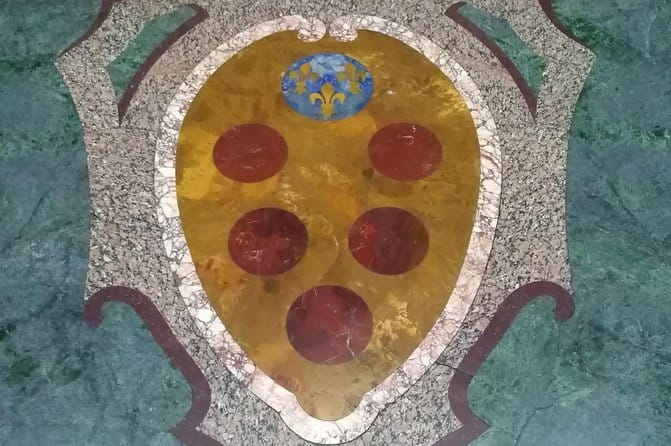
The Medici family is not an isolated chapter in a book. Their influence is written across Florence’s streets, churches, bridges, and public squares. That makes a walking tour a sensible way to meet the city. You are not simply hearing dates while standing in one spot. You are moving between places connected to power, money, art, and family ambition.
The route covers Piazza della Repubblica, Piazza del Duomo, Piazza della Signoria, Ponte Vecchio, Palazzo Pitti, and San Lorenzo. These stops give your guide plenty of material, from the city’s grand religious center to the spaces where civic decisions and courtly life played out.
I especially like this approach for a first visit. Florence can feel compact on a map, but its important sights do not all sit in one square. A short guided walk helps you understand how the center fits together. Afterward, you can return to the places that caught your attention, perhaps with a better sense of where to spend your museum time.
The trade-off is depth. At 90 minutes, the guide must keep the group moving. You will get the main story and a useful framework, but you will not receive a full lecture on every building or Medici figure.
More Renaissance and history tours in Florence:
- The Best tour in Florence: Renaissance & Medici Tales – guided by a STORYTELLER
★ 5.0 · 12,316 reviews - The Best Tour in Florence: Renaissance and Medici Tales
★ 5.0 · 10,810 reviews - The Dark Side of Florence: Mysteries and Legends
★ 5.0 · 2,785 reviews
Starting near Via Ricasoli and the Duomo
The listed meeting point is Via Ricasoli, 58, in central Florence. That location puts you close to the Duomo, so it is worth arriving with a little spare time. Florence’s center is easy to reach on foot, but the streets can be busy and the exact meeting point matters when you are trying to join a group.
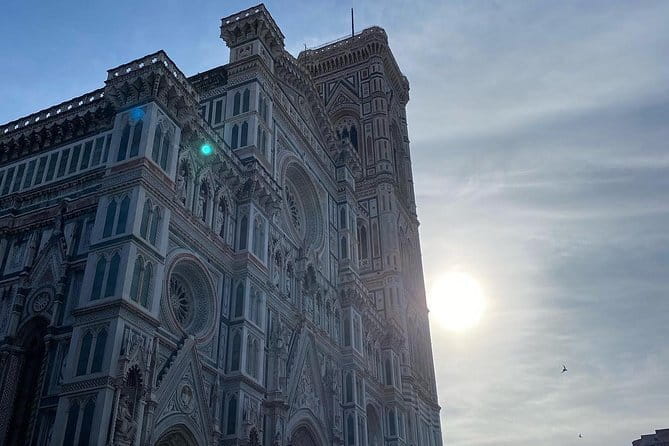
The Duomo is a strong opening setting. Its scale immediately tells you that Florence was not a minor provincial town during the Renaissance. The cathedral complex also gives the guide a natural way to explain the relationship between civic pride, religious devotion, artistic achievement, and the families who financed public works.
Expect to view the major sights from outside rather than enter them. The tour description does not include museum or monument admission. That keeps the price moderate and the pace brisk, but you should plan separate visits if you want to climb, tour interiors, or study artwork at length.
Piazza della Repubblica is also part of the route. It gives you a different view of central Florence, with its broad urban space and connection to the modern city center. Here, the guide can help you compare Florence’s present-day street life with the older political and commercial core nearby.
Piazza della Signoria and the public face of power
Piazza della Signoria is one of the most useful stops for understanding Florence’s civic identity. It is not just another photogenic square. It was designed for public life and political display, making it a natural place to discuss how Florence governed itself and how powerful families shaped that government.
This is where the Medici theme should feel most concrete. The family’s story involves wealth and patronage, but also influence and control. A good explanation here can show you that Renaissance Florence was not only a city of painters and sculptors. It was also a place of sharp political competition.
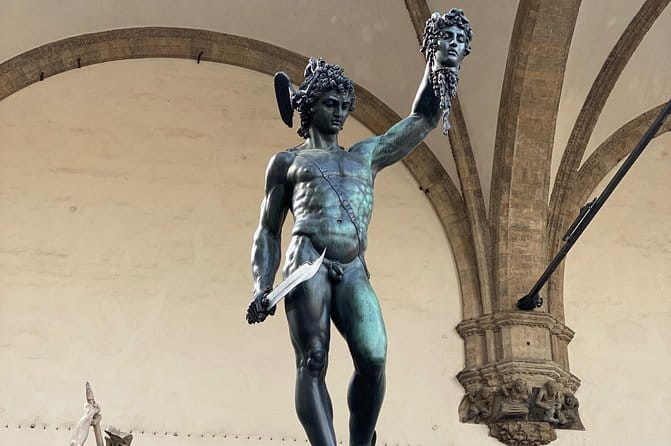
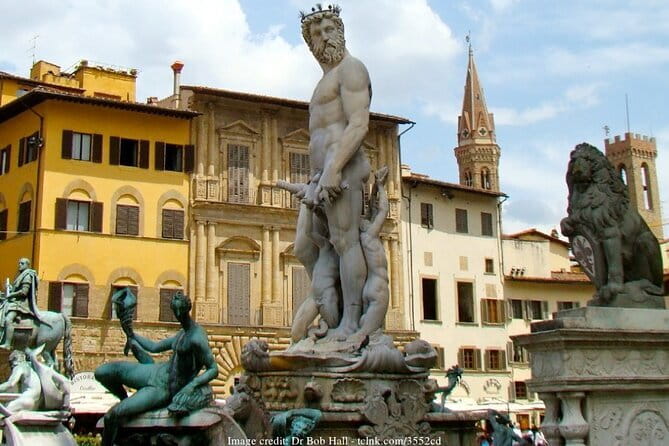
You will probably pause for the guide’s explanation and look at the surrounding buildings and sculpture from the square. Since the tour is short, do not expect a long art lesson on each statue. I would treat this stop as a story-setting moment, then return later if you want to explore the nearby museums.
The advantage of a guide is clear here. Without context, you may see a grand square and move on. With context, you can read it as a stage where Florence displayed its civic authority.
Crossing Ponte Vecchio toward Palazzo Pitti
Ponte Vecchio is one of Florence’s essential sights, and it adds a change of pace to the route. The bridge connects the historic center with the Oltrarno side of the city and gives the walk a clear sense of movement. You are not circling the same few blocks. You are following Florence across the Arno.
The bridge is famous for its shops and river views, but the Medici connection gives it extra importance. The crossing helps explain how the ruling family moved through the city and connected its centers of power. The guide’s job here is to link the bridge to the larger story, rather than let it become only a quick photo stop.
Palazzo Pitti continues that story on the opposite side of the river. Its presence shifts the mood from public squares and civic buildings toward courtly life. You can expect an exterior orientation and historical explanation, not a palace visit. If you want to see the collections inside, you will need separate admission and time.
I like having Palazzo Pitti on a short introductory route because it broadens your picture of Florence. The city’s Renaissance story is not limited to the Duomo. It also includes elite homes, political influence, and the movement of power across the river.
More walking tours in Florence:
- Florence: Guided Walking Tour
★ 4.5 · 3,334 reviews - Skip the line: Uffizi and Accademia Small Group Walking Tour
★ 4.5 · 3,135 reviews - Florence: Guided Walking Tour
★ 4.6 · 1,602 reviews - Florence: Renaissance and Medici Tales Guided Walking Tour
★ 4.8 · 1,549 reviews
San Lorenzo and the family behind the art
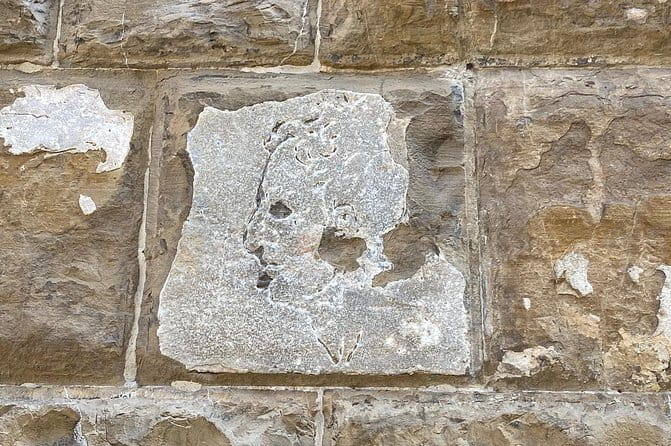
San Lorenzo is another important part of the walk and a fitting place to keep the Medici discussion going. The stop gives the guide a chance to connect the family with Florence’s religious and cultural life. It also reminds you that the Renaissance was built through networks of churches, patrons, artists, and civic leaders.
The strength of this stop depends heavily on the guide. A certified guide can give you the basic structure, while someone like Elisa may add the practical historical links that make the people and places easier to remember. Her English was praised as clear, and her history explanations were considered especially helpful.
San Lorenzo also helps balance the route. You see Florence’s famous postcard sights, but you also get a location tied to the city’s everyday religious and community life. That makes the walk feel less like a list of monuments.
Again, keep your expectations in proportion to the length. You are getting a guided introduction, not an extended church tour. If San Lorenzo becomes your favorite stop, save time later for a more careful visit.
Gelato makes a smart final stop
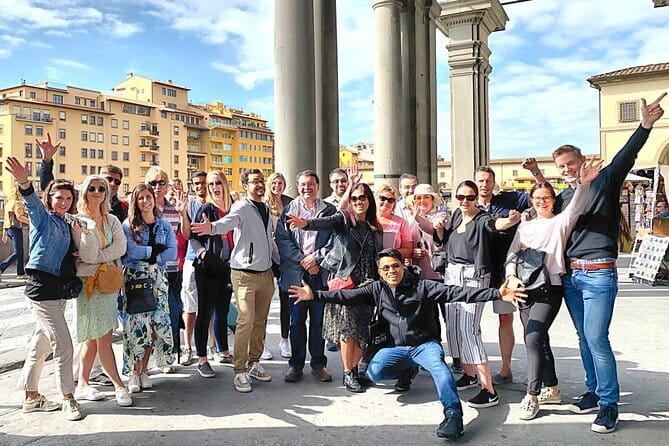
The promise of real gelato may sound like a small extra, but it suits this experience. Walking through Florence in a tight sequence can leave you absorbing dates, names, and buildings without much pause. A gelato stop gives the route a lighter ending and a chance to talk with the guide.
I also appreciate that the treat fits the setting. It is not an unrelated add-on or a long restaurant break. Gelato is part of the everyday Florence experience, and tasting it during a city walk gives you a simple local moment without adding much time.
The supplied details do not specify the shop, flavor choices, or whether the gelato is included in the $36.12 price. I would confirm those points at booking if they matter to your budget. The key point is that gelato is part of the planned experience, not merely a suggestion for later.
What $36.12 buys you in practical terms
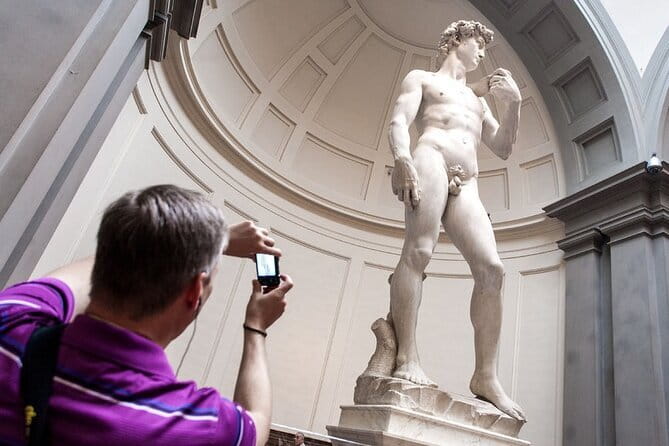
At $36.12 per person, this tour sits in the reasonable range for a short guided introduction to central Florence. You are paying for a certified English-speaking guide, a planned route, historical interpretation, and the convenience of connecting several major sights in 90 minutes.
The value is strongest if you are new to Florence or arriving with limited time. You can use the walk to decide which places deserve a longer return visit. That can save you from wandering without a plan, especially in the first hours of your stay.
The value is weaker if you already know Florence well or want extended time inside monuments. Admission is not listed as included, and the experience does not promise museum entry. You are buying orientation and context rather than access.
The group limit of 15 is a useful middle ground. It is more personal than a very large city walk, yet it does not carry the cost of a private guide. Elisa’s tour was described as especially effective when the group was very small, but you should not assume you will have the guide to yourself.
Timing, meeting point, and walking comfort

The activity lasts approximately one hour and 30 minutes and ends back at the meeting point. That return detail matters because the route includes several central sights and crosses the river. You should not need to arrange separate transport at the end.
The experience is offered in English and comes with a mobile ticket. It is near public transportation, and most people can participate. Service animals are allowed. No special mobility limits are stated, but this is a walking tour through an old city center, so comfortable shoes are a sensible choice.
The tour is often booked well ahead, with an average booking point of 57 days in advance. That does not guarantee every date will sell out, but it suggests that you should reserve early if your Florence schedule is fixed.
Free cancellation is available until 24 hours before the start time. If you cancel less than 24 hours ahead, you do not receive a refund, and changes inside that window are not accepted. The cut-off follows local Florence time.
Who will get the most from this walk
I would recommend this tour to a first-time Florence visitor who wants a quick framework before tackling museums and churches. It also suits anyone who likes history in small, manageable pieces rather than a full-day lecture.
It is a good fit for a short city break. In 90 minutes, you see the main central landmarks, hear the Medici story, cross Ponte Vecchio, and finish with gelato. Families and mixed-age groups may also appreciate the short duration.
I would be more cautious if your main goal is art analysis or interior sightseeing. This is not a replacement for a guided visit to the Duomo complex, Palazzo Pitti, or San Lorenzo. It is the road map that can help you choose those visits later.
The small-group cap and English-only format are also worth considering. Fifteen people is manageable, but the experience is not designed for several languages or a fully private pace.
Should you book the Renaissance Secrets walk?
Book it if you want a fast, well-organized introduction to Florence’s Medici story and the city’s central sights. The combination of major landmarks, a certified guide, a small maximum group, and gelato makes the $36.12 price sensible for a first orientation.
Skip it if you already know the historic center or want long interior visits. For most first-time visitors, though, this is a practical way to get your bearings, learn why the Medici matter, and decide what deserves more of your time afterward.
FAQ
Where does the tour start?
The meeting point is Via Ricasoli, 58, 50122 Firenze FI, Italy.
Where does the tour end?
The activity ends back at the meeting point.
How long does the tour last?
The tour lasts approximately one hour and 30 minutes.
What language is the tour offered in?
The tour is offered in English.
What sights are included in the walking route?
The route includes Piazza della Repubblica, Piazza del Duomo, Piazza della Signoria, Ponte Vecchio, Palazzo Pitti, and San Lorenzo.
Is gelato included?
A real gelato treat is part of the planned experience. The supplied details do not specify the shop or flavor options.
How many people can join the tour?
The maximum group size is 15 people.
Can I cancel for a full refund?
Yes. You can cancel up to 24 hours before the experience start time for a full refund. Cancellations and changes made less than 24 hours before the start time are not accepted for a refund.
Recently added around Florence
- Accademia and Uffizi Small-group Guided Tour★ 4.5 · 8 reviews
- The David from Michelangelo.★ 5.0 · 3 reviews
- Combo: Accademia + walking + Uffizi Galleries Guided Tour★ 3.5 · 6 reviews
- The Complete Wine Tour Brunello, Nobile, Chianti wine experience★ 4.0 · 7 reviews
- The Best of Tuscany in 3 Days★ 4.5 · 13 reviews
- The Cooking Lab – Authentic Food Experience★ 5.0 · 113 reviews
- Florence Central Market Food Tour – Private Tour★ 4.0 · 7 reviews
- MaMa Florence: The Art of Corzetti – Hands-On Pasta Class★ 5.0 · 15 reviews
Florence Renaissance History Tours, compared.
The Best tour in Florence: Renaissance & Medici Tales – guided by a STORYTELLER
Read our review →
The Best Tour in Florence: Renaissance and Medici Tales
Read our review →
The Dark Side of Florence: Mysteries and Legends
Read our review →
Renaissance and Medici Tales Guided Walking Tour
Read our review →
Dark Mysteries and Legends Guided Walking Tour
Read our review →
Accademia Gallery: Michelangelo’s David and High Renaissance Art
Read our review →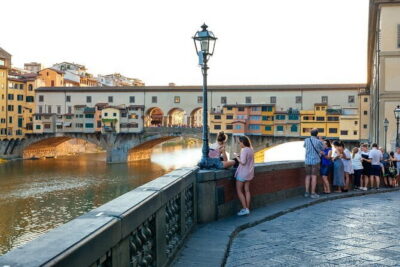
Florence Private Tour: Renaissance, Famous Families & Hidden Gems
Read our review →Browse the lists this tour appears in