
Reviewed · FLORENCE FOOD TOURS
The Cooking Lab – Authentic Food Experience
Fresh pasta tastes better when you make it in a real home kitchen, and Luca Polverini’s class gives you plenty of hands-on time. You’ll prepare two pasta dishes, a Florentine starter, and tiramisu, then eat what you made with Chianti. I like the practical instruction and the chance to share a meal with Luca and, at times, his family. The main thing to consider is that this is a home-based class, not a polished culinary school, so the setting may feel intimate and informal.
I also like the small-group format. Past groups have been as small as four people, with Luca able to give close help at the worktable. The class can run longer than the advertised three hours, which is pleasant if you have the time, but less convenient if you have a tightly packed Florence schedule.
Key points at a glance
- Cook in Luca’s home kitchen: This is a personal meal with chef Luca Polverini, not a large commercial class.
- Make several Italian staples: The usual menu includes coccoli with prosciutto and stracchino, two pasta preparations, and tiramisu.
- Get practical pasta instruction: You may work with fettuccine, gnocchi, ravioli, spaghetti, pesto pasta, or other seasonal preparations.
- Finish at the family table: Your cooking becomes lunch or dinner, served with local Chianti wine.
- Choose a useful time slot: Classes run from 10 AM to 1 PM or from 5 PM to 8 PM.
- Plan ahead: The class is often reserved about 104 days before the date, so popular dates can disappear early.
A Florentine cooking class with a family-table finish
Florence is full of grand churches, Renaissance paintings, and crowded lanes. A cooking class gives you a different way to spend part of the day. Instead of looking at food behind glass or ordering another plate in a restaurant, you learn how several familiar Italian dishes come together.
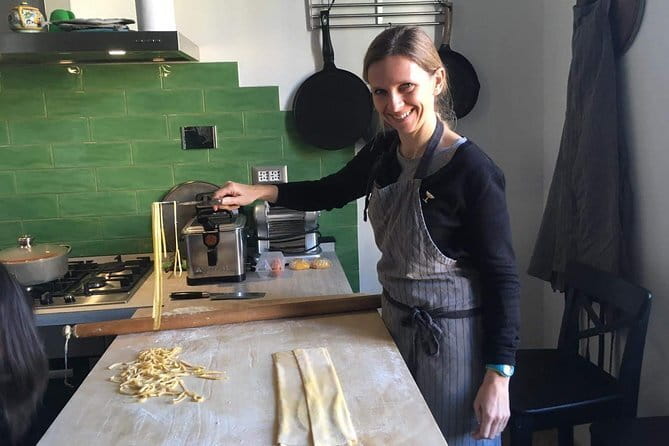
The class begins at Via Pasquale Villari, 19, in Florence. You meet Luca there and enter his home kitchen. The setting matters. You are not simply watching a chef demonstrate a recipe while standing at a distance. You take part in mixing, shaping, filling, cooking, and tasting.
The atmosphere is informal. Luca offers a welcome drink and an appetizer before the main work begins. That small opening helps the class feel like an invitation into someone’s home rather than a lesson that starts with a stopwatch.
The class is offered in English, and the format is private to your group, although some past bookings have included a few additional participants. Group size appears to stay small enough for personal help. That is important when you are rolling pasta or trying to seal ravioli without trapping air inside.
More food and market tours in Florence:
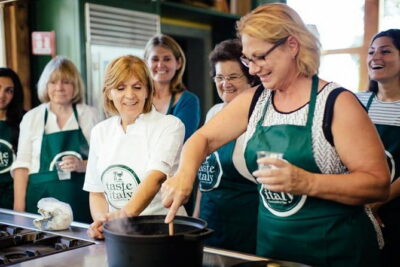
- Cooking Class and Lunch at a Tuscan Farmhouse with Local Market Tour from Florence
★ 5.0 · 4,831 reviews - Florence: Cinque Terre Park Day Trip with Optional Street Food
★ 4.5 · 3,593 reviews - From Florence: Tuscany Wine & Food Tour with Guide
★ 4.9 · 1,746 reviews
Starting with coccoli, prosciutto, and stracchino
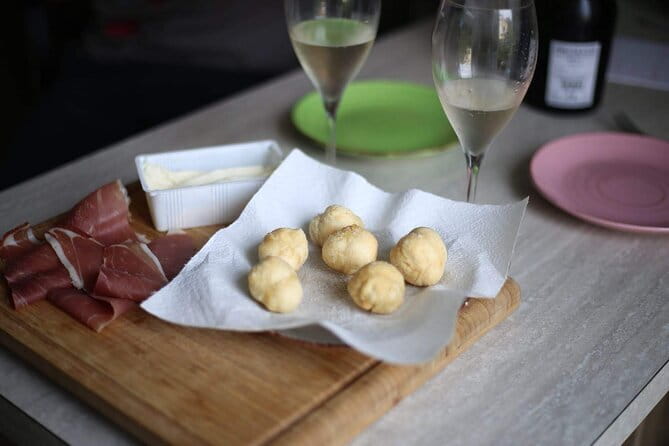
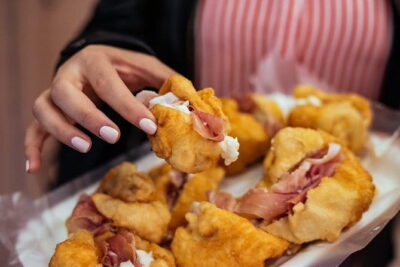
The first bite is often coccoli, a classic Florentine starter. These are small pieces of fried pizza dough served with Tuscan ham and stracchino, a soft cheese.
This is a smart beginning for two reasons. First, it gives you something to eat while the class gets organized. Second, it introduces a local dish that you may not recognize from a typical tourist menu. Florence is known for hearty, unfussy food, and coccoli fits that tradition.
The starter is not the main lesson, so do not expect a long technical session on frying dough. Its role is to welcome you, set the regional tone, and get conversation going. If you prefer a light meal, remember that the starter is only the beginning. Pasta, sauce, dessert, and wine still follow.
Learning pasta from dough to plate
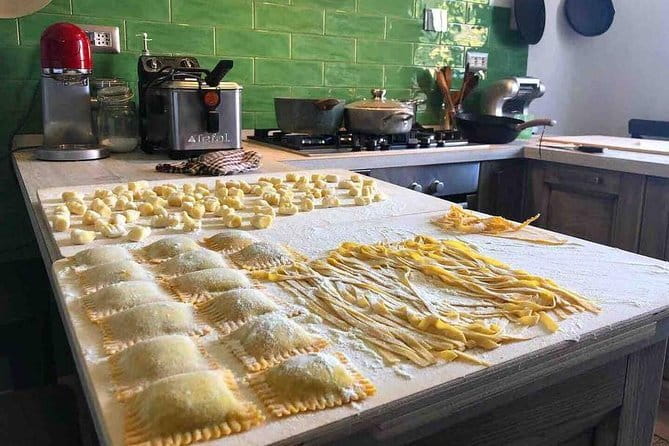
The heart of the class is fresh pasta. Depending on the day and the menu, you may prepare fettuccine and potato gnocchi, or fettuccine and stuffed pasta such as ravioli. Past groups have also made spaghetti, spinach and ricotta ravioli, pesto fettuccine, and cacio e pepe.
That range is useful, but it also means the exact pasta menu can change. Seasonal ingredients and the size of your group may shape what you make. If you have your heart set on ravioli or gnocchi, ask about the planned menu when you book.
Luca focuses on the practical details that make homemade pasta work. You learn how the dough should look and feel, how it changes as you work it, and how to handle it before cooking. These are the parts of a recipe that are hard to learn from a cookbook alone.
You may also use a motorized pasta machine. For a first-time cook, this makes rolling the dough less tiring and shows how home cooks can get thin, even sheets without professional equipment. The goal is not to turn you into a pasta maker in three hours. It is to give you a method you can repeat in your own kitchen.
The sauces vary. Past menus have included ragù Bolognese, fresh cherry tomatoes, mushrooms, pesto, and other seasonal sauces. This flexibility keeps the meal tied to available ingredients, though it means the final dish is not fully fixed in advance.
I especially like that the class covers more than one pasta shape. Fettuccine teaches you how to roll and cut dough. Ravioli adds filling, folding, and sealing. Gnocchi introduces a different texture and a different way to judge when dough is ready. You leave with several techniques rather than one narrow recipe.
Tiramisu is the sweet lesson
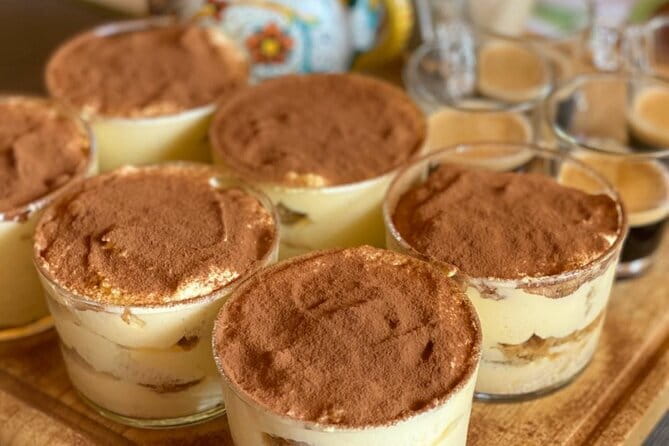
Dessert is tiramisu, Italy’s familiar coffee-and-cream classic. Here, it is made during the class rather than simply placed on the table at the end.
Several details make tiramisu a good choice for this setting. The recipe is accessible, the ingredients are familiar, and the finished dish rewards careful mixing and assembly. It also gives you something practical to recreate at home. Many people who do not think of themselves as strong cooks can manage tiramisu once they understand the texture they are aiming for.
The dessert has become a highlight for many people in the class, and one family found it changed their opinion of tiramisu altogether. That is a useful reminder not to judge the dish only by versions served in busy restaurants. A freshly prepared homemade tiramisu can be softer, creamier, and less formulaic.
If dessert is especially important to you, keep in mind that the class centers on the whole meal. Tiramisu is one part of the program, not a stand-alone pastry lesson.
More dinners and dining experiences in Florence:
- Tuscan Cooking Class and Dinner in Florence
★ 4.5 · 732 reviews - Heart of Florence: Dinner and Three Tenors Concert Ticket
★ 4.0 · 400 reviews - Chianti Delights: A Tale Of Two Wineries With A Vineyard Dinner
★ 4.0 · 324 reviews - Dinner and Concert with “Three Tenors”: A Real Italian Experience
★ 4.0 · 265 reviews
Sitting down for lunch or dinner
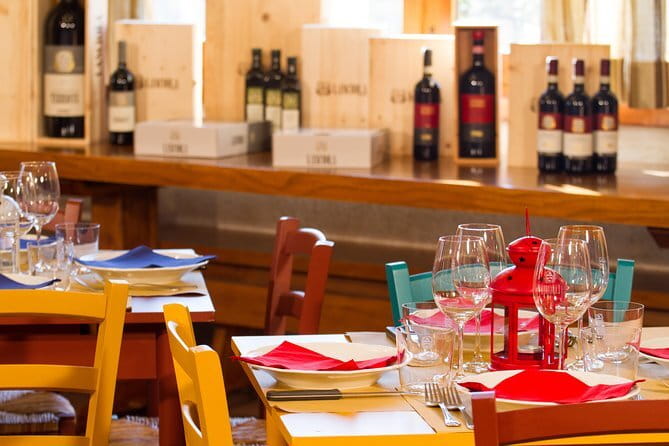
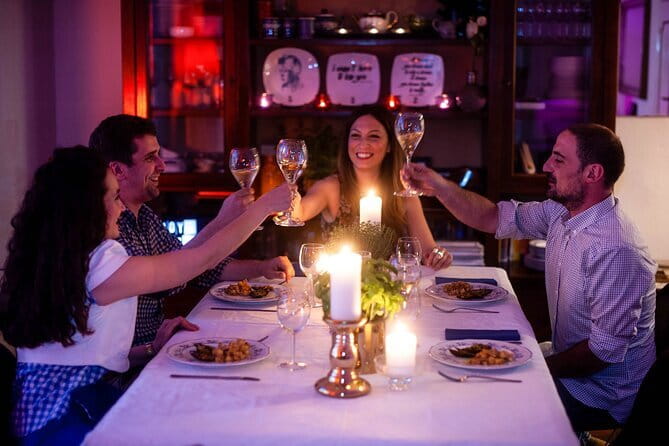
Once the food is ready, you sit down and eat the meal you helped prepare. Local Chianti wine accompanies the food, and the meal often becomes the most social part of the afternoon or evening.
This is where the home setting earns its place. Cooking is followed by conversation, not a quick handoff of a certificate or a final photograph. Some sessions have included Luca’s wife and young daughter at the table, creating a family meal rather than a formal class ending.
That family element cannot be guaranteed for every booking, so treat it as a possible part of the evening rather than a promised feature. The core offering is the cooking class and shared meal with Luca.
The dining portion can also run beyond the stated three hours. One past booking lasted almost four hours, with the extra time filled by food and conversation. I see that as a benefit if you want a relaxed evening. It is a drawback if you have timed museum tickets, an opera, or a train to catch.
What the home setting means for you
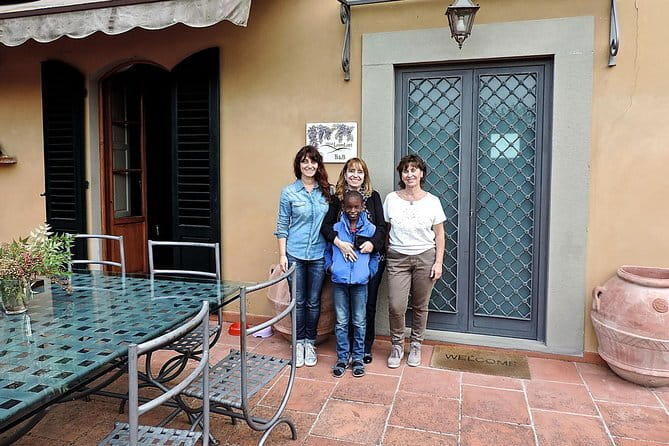
A home kitchen offers something a cooking school cannot: a glimpse of ordinary food preparation and family hospitality. You see how pasta, sauces, and dessert fit into a real meal rather than a staged demonstration.
You should also set your expectations accordingly. The room may feel close and personal. You may spend much of the session standing at a work surface, sharing tools and counter space with the rest of your group. That is part of the charm, but it may not suit someone looking for a highly polished professional kitchen.
The private format helps. Only your group participates, and small groups allow Luca to correct technique, answer questions, and keep the work moving. Past sessions have included couples, families with children, friends, and mixed groups from different countries.
Families are a particularly good match. Young children have taken part in making pasta, stuffed pasta, and tiramisu, with the class described as kid-friendly. You will still need to judge your own child’s patience for a three-hour cooking session, but the hands-on format gives children something real to do.
Timing, location, and planning your day
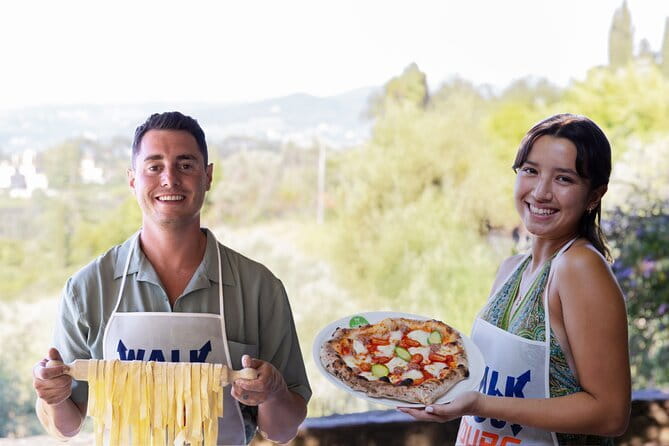
You can book the class in either of two daily windows: 10 AM to 1 PM or 5 PM to 8 PM. The morning option works well as a late lunch activity. The evening class is better if you want cooking to replace a restaurant reservation.
The meeting point is Via Pasquale Villari, 19, in Florence, and the activity ends there. It is near public transportation. One person described the walk from central Florence as roughly 20 to 30 minutes, so check your route and allow extra time rather than arriving breathless at the door.
The class requires advance planning. It is booked about 104 days ahead on average, which is a strong signal to reserve early if your dates are fixed. Confirmation is sent within 48 hours, subject to availability.
The listing gives operating dates through February 17, 2027, with sessions every day in the stated morning and evening windows. Check the available date and time at booking, since the class still depends on space and a minimum number of participants.
Service animals are allowed. The experience also requires good weather, and if poor weather causes a cancellation, you are offered another date or a full refund. That condition is slightly unusual for a home cooking session, so it is worth keeping in mind when planning around a short Florence stay.
Is the $126.98 price fair?
At $126.98 per person, this is not a cheap meal. It is also not simply a meal. The price covers roughly three hours of instruction, ingredients for several courses, drinks, wine, and the chance to eat the food you prepared.
The value is strongest if you want to learn techniques you can use at home. You make multiple dishes rather than one bowl of pasta, and the lesson includes both savory food and dessert. You also avoid paying separately for a full lunch or dinner afterward.
The price makes less sense if you mainly want a restaurant meal or if you dislike cooking. You will spend real time preparing food, handling dough, and taking part in cleanup and table preparation as needed. This is an activity with dinner included, not dinner with a small cooking demonstration attached.
For families, the cost can add up quickly, but the shared activity may replace both a meal and another paid attraction. For couples and small groups who enjoy food, the personal setting adds value that a large class may not provide.
Who should book this class?
I would choose this for people who want a personal connection to Florence through food. It suits home cooks, beginners, families, couples, and friends who enjoy sitting down together after doing something with their hands.
It is also a good choice for a repeat visitor who has already seen the major sights. The class breaks up a museum-heavy itinerary and gives you a reason to spend time in a residential part of the city.
You may want to skip it if you need a short, tightly timed activity, if you want a formal culinary certification, or if you expect a fixed menu with no seasonal changes. It is also not ideal for someone who would rather eat than cook.
The most praised parts are consistent: Luca’s patient teaching, the warmth of the welcome, the small-group attention, the quality of the pasta and tiramisu, and the pleasure of eating together afterward. Those are the reasons to book, not the promise of a fancy kitchen or a perfectly scripted show.
Cancellation and practical details
Free cancellation is available up to 24 hours before the start time for a full refund. Cancellations or changes made less than 24 hours before the start are not refunded or accepted.
The class may also be canceled if the minimum number of participants is not reached. In that case, you are offered another date or experience, or a full refund.
Bring an appetite and allow more than three hours if your schedule permits. A notebook may be useful if you want to remember measurements and techniques, though the key lessons are also visual and hands-on.
My verdict: book it for the meal and the connection
I recommend The Cooking Lab if you want to make real food, learn pasta skills, and share an unhurried meal in a home setting. Luca Polverini’s strength is the combination of clear instruction and warm hosting. You get enough structure to learn, with enough conversation to feel like you are visiting a Florentine kitchen.
Book early, especially for an evening slot or a family date. Choose another activity if you want a quick demonstration or a formal school kitchen. For everyone else, this is a generous use of three hours in Florence, with fettuccine, ravioli or gnocchi, tiramisu, and Chianti waiting at the end.
FAQ
Where does The Cooking Lab take place?
The class begins and ends at Via Pasquale Villari, 19, 50136 Firenze FI, Italy.
How long does the cooking class last?
The scheduled duration is approximately three hours. Some sessions may last longer, depending on the meal and conversation.
What time can I book the class?
Available sessions run daily from 10 AM to 1 PM and from 5 PM to 8 PM.
Is the class offered in English?
Yes. The experience is offered in English.
Who teaches the class?
The class is led by chef Luca Polverini.
What food will I prepare?
The menu includes a Florentine starter of coccoli with prosciutto and stracchino, two pasta preparations, and tiramisu. Pasta may include fettuccine, gnocchi, ravioli, spaghetti, or another seasonal preparation.
Is wine included?
Yes. The meal is accompanied by local Chianti wine. A welcome drink and appetizer are also provided at the start.
Is this a private activity?
Yes. Only your group participates in the private activity, although the number of people in a booking can vary.
Are service animals allowed?
Yes. Service animals are allowed.
Can I cancel for a full refund?
Yes, if you cancel at least 24 hours before the experience begins. Cancellations made less than 24 hours before the start time are not refunded.
More cooking classes in Florence
- Florence: Pasta Cooking Class with Unlimited Wine
★ 4.9 · 10,285 reviews - Florence: Pasta & Tiramisu Cooking Class with Unlimited Wine
★ 4.9 · 6,708 reviews - Florence: Pasta Cooking Class with Unlimited Wine
★ 5.0 · 6,413 reviews - Pastamania – Florence Pasta Making Class
★ 5.0 · 3,050 reviews
Recently added around Florence
- Accademia and Uffizi Small-group Guided Tour★ 4.5 · 8 reviews
- The David from Michelangelo.★ 5.0 · 3 reviews
- Combo: Accademia + walking + Uffizi Galleries Guided Tour★ 3.5 · 6 reviews
- The Complete Wine Tour Brunello, Nobile, Chianti wine experience★ 4.0 · 7 reviews
- The Best of Tuscany in 3 Days★ 4.5 · 13 reviews
- Florence Central Market Food Tour – Private Tour★ 4.0 · 7 reviews
- Family Friendly Florence Private City Tour★ 5.0 · 47 reviews
- MaMa Florence: The Art of Corzetti – Hands-On Pasta Class★ 5.0 · 15 reviews
Florence Food Tours, compared.
Cooking Class and Lunch at a Tuscan Farmhouse with Local Market Tour from Florence
Read our review →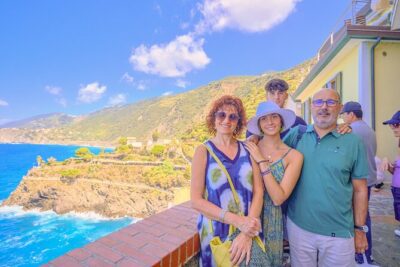
Cinque Terre Park Day Trip with Optional Street Food
Read our review →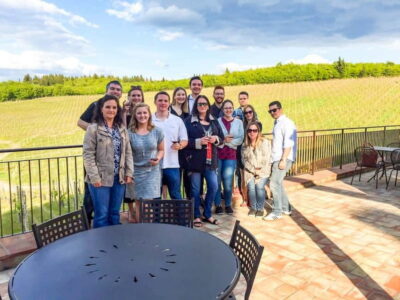
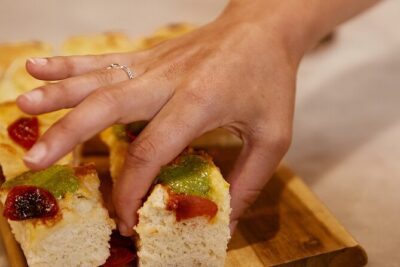
Small Group Cooking Class & Market Food Tour in Florence
Read our review →
Florence Exclusive PRIVATE Food Tour with 6 or 10 Tastings
Read our review →
Food Walking Tour with Local Steak and Tuscan Wine
Read our review →Browse the lists this tour appears in