
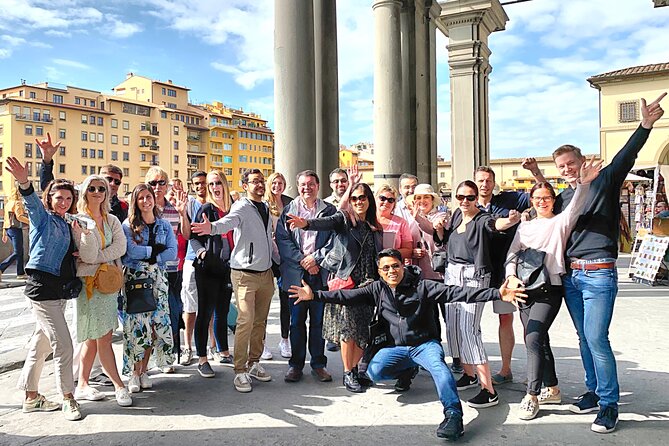
Reviewed · MEDICI FAMILY TOURS
The Best tour in Florence: Renaissance & Medici Tales – guided by a STORYTELLER
Florence’s story makes more sense when you follow it on foot, from the Medici church of San Lorenzo to the Arno. This tour links the city’s big names, famous squares, and Renaissance power struggles with the streets between them. Michele, Riccardo, Chiara, Glenda, and other English-speaking guides are praised for turning dates and dynasties into stories you can remember.
I like two things right away: the route gives you a quick first look at Florence’s essential center, and the guide adds useful advice about food, sights, and what to do next. The main drawback is that the Medici receive most of the attention, so this is more of a Florence orientation than a detailed tour of the city’s museums or interiors.
Key points to know before you book
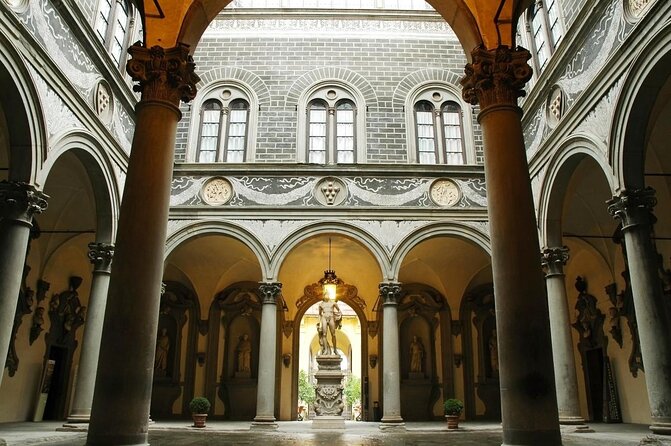
- The route runs from San Lorenzo to Ponte Vecchio, covering major squares and historic streets in about 2 hours 15 minutes.
- The Medici are the central characters, with Renaissance politics and family rivalries woven through nearly every stop.
- Most stops are outdoor explanations, so admission to San Lorenzo, Palazzo Medici Riccardi, the Duomo complex, and other attractions is not included.
- The tour is offered in English and may include up to 30 people, though the guide’s storytelling style keeps the focus personal.
- The listed price is very low, but the experience operates on a pay-what-you-want model, with tips expected as the guide’s main reward.
- The walk finishes near Ponte Vecchio and the Uffizi, a useful location for continuing your afternoon.
Why this Florence walk works best early in your stay
Florence is compact, but its story can feel scrambled at first. One church leads to a palace, a palace leads to a square, and suddenly the same family name appears again on another building. This walk gives you a basic map and explains why the places matter.
I would schedule it near the start of your visit. You can then return to the Duomo, San Lorenzo Market area, Piazza della Signoria, or the Uffizi with a better sense of how the pieces fit together. The guide also provides suggestions about what to see, eat, and do after the tour.
The format is a walking orientation rather than a museum visit. You will stop at important buildings and squares while the guide explains their role. You should not expect long indoor visits, close study of paintings, or included entry to the major attractions.
The tour is described as a private experience with personal attention, but the stated maximum is 30 people. That means the exact feel may depend on the size of your group and the guide leading it. A larger group can make it harder to hear in busy squares, while a smaller group gives you more room to ask questions.
More Medici family tours in Florence:
- The Best Tour in Florence: Renaissance and Medici Tales
★ 5.0 · 10,810 reviews - Florence: Renaissance and Medici Tales Guided Walking Tour
★ 4.8 · 1,549 reviews - Florence: Mysteries of the Medici Guided Walking Tour
★ 4.4 · 940 reviews
San Lorenzo: beginning with the Medici power base
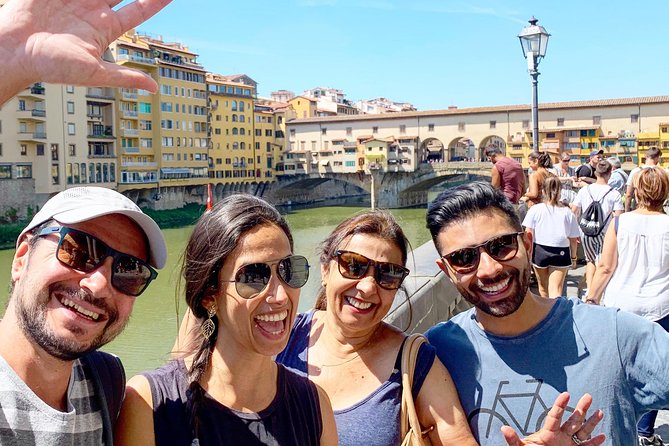
The tour starts at the Florence Free Tour-Tale meeting point in Piazza di San Lorenzo. This is a fitting place to begin because the Basilica di San Lorenzo is closely tied to the Medici family and to the political rise of Florence’s ruling dynasty.
You receive about 20 minutes of explanation here. The guide uses the church and surrounding area to introduce the Medici, their money, their influence, and their connection to Florence’s artists and architects. This opening gives the tour its main theme: Florence’s artistic achievements cannot be separated from the families who paid for them and used art to show power.
Admission to the basilica is not included. The stop is primarily an outdoor explanation, so you should not assume you will go inside as part of the tour. If San Lorenzo interests you, make a separate visit later and allow time for a closer look.
I like this opening because it puts the city’s politics ahead of a simple list of monuments. You begin by asking who paid for Florence’s grand projects and why. That question keeps returning throughout the walk.
Palazzo Medici Riccardi and the family behind the name
The next stop is Palazzo Medici Riccardi, with another 20-minute explanation. The palace helps show how the Medici moved from wealthy bankers to one of Europe’s most powerful ruling families.
Here, the guide can connect the family’s public image with the streets you are walking through. The Medici were not only patrons of art. They shaped civic life, controlled political alliances, and used architecture to signal status. The tour’s storytelling approach is useful because the family tree and political shifts can otherwise become a blur of similar names.
The palace interior is not included. You will hear about the building and its role, but you should plan another visit if you want to enter. This is one of the tour’s limits: the experience explains Florence’s major places without replacing an admission ticket.
The strongest guides, including Michele and Riccardo, use humor and clear storytelling to keep this section moving. Several guide names receive special praise, but the provider assigns the guide, so you should not book expecting a particular person unless that is confirmed directly.
Piazza del Duomo: Florence’s famous center
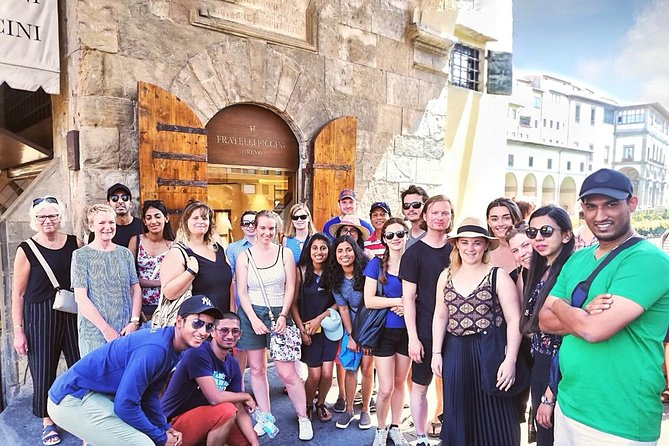
The route continues to Piazza del Duomo, where you spend about 20 minutes hearing about the cathedral complex. The square is one of Florence’s most crowded and visually impressive stops, with the cathedral, bell tower, and dome dominating the city center.
This is a good place to understand the scale of Florence’s building ambitions. The Duomo was not simply a place of worship. It was also a civic statement, a sign that Florence wanted to compete with other major Italian cities in wealth, skill, and prestige.
The tour does not include entry to the cathedral, dome, bell tower, or related sites. That distinction matters. The square can give you an excellent first impression, but it does not provide the same experience as climbing the dome or examining the interior.
I would use this stop to note what you want to revisit. The guide’s explanation can help you decide if you want to spend another morning on the Duomo complex. It also keeps you from wasting your limited time by treating every nearby building as equally important.
More Renaissance and history tours in Florence:
- The Dark Side of Florence: Mysteries and Legends
★ 5.0 · 2,785 reviews - Florence: Dark Mysteries and Legends Guided Walking Tour
★ 4.6 · 1,081 reviews - Accademia Gallery: Michelangelo’s David and High Renaissance Art
★ 4.0 · 872 reviews - Florence Private Tour: Renaissance, Famous Families & Hidden Gems
★ 5.0 · 233 reviews
Dante’s neighborhood and the value of a short stop
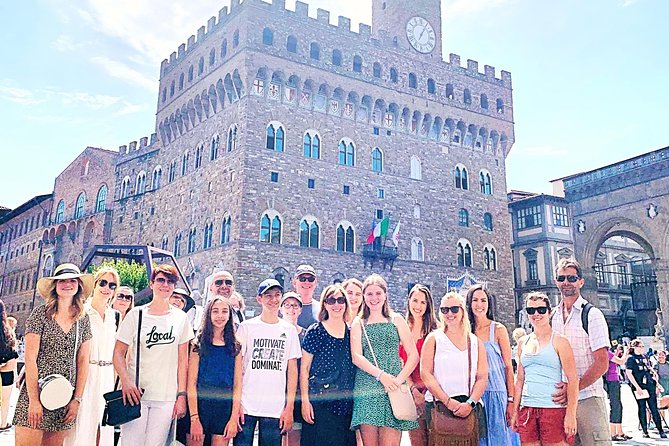
The stop at Museo Casa di Dante lasts only about five minutes and takes place outdoors in the Dante neighborhood. It is brief, but it adds a useful change of subject after the Medici and cathedral sections.
You hear about Dante and the part of Florence connected with his life and literary legacy. The tour does not include entry to the museum, and the stop is not intended as a full Dante lesson. Think of it as a quick historical marker that adds another layer to the city’s identity.
This short pause also helps the walk feel like a city tour rather than a single-family biography. Still, if Dante is your main reason for visiting Florence, you will need more time elsewhere. Five minutes can introduce the subject, but it cannot cover his work or the museum in detail.
Piazza della Repubblica: from medieval city to modern square
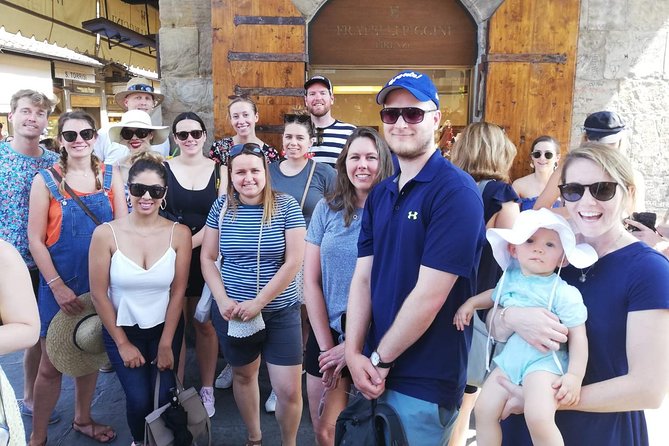
At Piazza della Repubblica, the guide spends about 20 minutes explaining the square and its place in Florence. The broad space feels different from the tighter medieval streets nearby, and that contrast helps you notice how the city changed over time.
The stop is useful for orientation. You can understand the relationship between the older center, the main shopping streets, and the route toward the Arno. The guide also has a chance to offer practical suggestions about places to eat and what to do next.
As with the other public squares, this is an outdoor explanation. The tour does not include a meal, shopping stop, or admission ticket. You are getting context, not a packaged activity inside the square.
I especially like stops like this because they show that Florence is more than Renaissance paintings and Medici palaces. The city has continued to change, and a good walking guide points out those layers without turning the tour into a lecture.
Piazza della Signoria: Florence’s open-air political stage
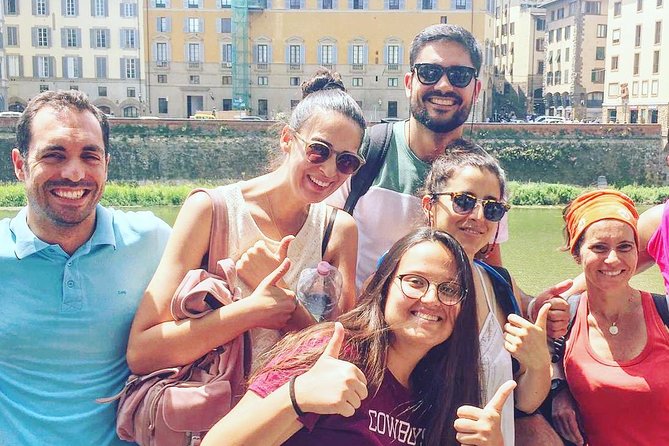
The walk then reaches Piazza della Signoria, another major 20-minute stop. This is one of the best places to connect Florence’s art with its public life. The square has long served as a setting for political decisions, ceremonies, public sculpture, and displays of power.
The guide explains the buildings and artworks around the square, including their connection to Florence’s rulers and civic government. This is where the tour’s mix of art and politics works especially well. You are not only looking at statues. You are considering why they were placed in a particular public setting and what message they sent.
The nearby Palazzo Vecchio and surrounding attractions require their own tickets. The walk does not take you through them as part of the included experience. If you plan to visit Palazzo Vecchio or the Uffizi, check your schedule carefully so you do not book a timed entry that overlaps with the walk.
This is also a place where group size matters. A guide can explain a square clearly, but you may need to stay close and listen carefully around the crowds. Ask questions when the guide pauses rather than trying to talk while the group is moving.
Ponte Vecchio: ending beside the Arno
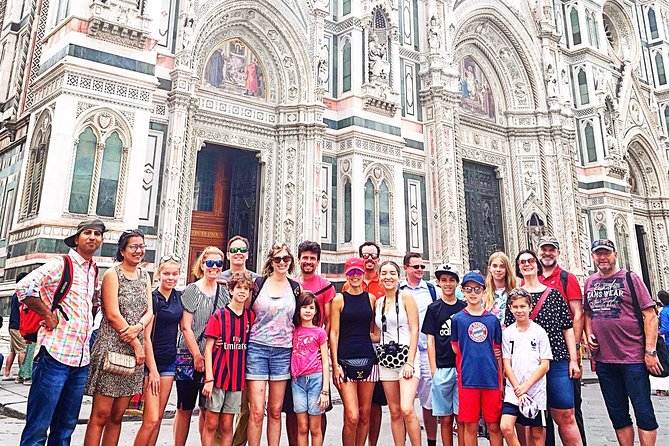
The tour finishes near Ponte Vecchio, after about 10 minutes of explanation. This is a practical ending because you are close to the Uffizi Galleries and the river, with plenty of options for continuing your day.
The bridge is one of Florence’s most recognizable sights, but the guide gives it more meaning than a quick photograph can. You hear about its place in the city and how the Arno shaped Florence’s movement and development.
The listed endpoint is the Uffizi Galleries, at Piazzale degli Uffizi 6, while the tour description says the walk ends by looking at Ponte Vecchio. Treat this as the end area rather than an included Uffizi visit. No gallery ticket is part of the tour.
If you have an Uffizi reservation afterward, leave enough time to reach the correct entrance and check in. One related experience described by a participant involved an additional 20 euro entry charge for a gallery visit, with children charged 4 euros. That fee was separate from the walking tour, so check carefully before adding any museum activity.
The guides and their storytelling style
The guide makes or breaks this experience. The most praised names include Michele, Riccardo, Chiara, Glenda, Angela, Andrea, Mikhal, and Manuel. Michele is repeatedly singled out for strong delivery, humor, and enthusiasm. Riccardo is praised for making the streets come alive and for helping people understand direction and location. Chiara receives warm approval for her charm and clear explanations.
That variety matters because the tour is built around narration. You are not entering a series of attractions with an audio guide. You are following one person through the center and relying on that person to set the pace, explain the details, and keep the story coherent.
The strongest approach links local advice with history. You may hear suggestions about food and later sightseeing along with explanations of Renaissance politics. Guides also seem willing to adjust their explanations for families, solo visitors, or people who want more help getting oriented.
There is one practical warning. The check-in process has caused confusion for at least one participant, especially around the English-speaking line. Arrive with your confirmation available and pay close attention to the meeting instructions. If the provider sends updated details by WhatsApp, read them before reaching Piazza di San Lorenzo.
Price, tips, and what you actually receive
The listed price is about $3.62 per person, which looks almost too low for a guided walk through central Florence. The reason is the pay-what-you-want model. You pay little or nothing upfront, then decide what the guide’s work was worth.
The stated tip range is 10 to 50 euros. I would carry cash, since the guide’s income depends heavily on tips and at least one person specifically recommends bringing money for this purpose. A low booking price does not mean the walk costs only $3.62 in practical terms.
At the low end, you receive a city orientation, historic context, and suggestions for the rest of your visit. At the higher end, you are paying for the guide’s preparation, time, and storytelling. This makes the tour accessible to many budgets, but it also asks you to make a fair decision at the end.
The group can reach 30 people, and group discounts are available. The tour is offered in English and uses a mobile ticket. Most people can participate, service animals are allowed, and the meeting point is near public transportation.
Who should book this walk
I would choose this tour if you have only a short time in Florence, want help finding your way, or prefer stories to a formal museum lecture. It is also a good first activity for families and solo visitors because the route covers many major points without requiring separate transport.
You should also consider it if the Medici interest you. Their influence runs through the entire walk, and the route shows how family power, money, art, and public buildings worked together.
I would choose something else if you want detailed interior access, a focused art tour, or a complete account of Dante. The route gives you a strong outdoor introduction, but you must buy separate tickets and return to the sights on your own.
The walking time is about 2 hours 15 minutes. Wear comfortable shoes and bring water, especially in warm weather. The activity requires good weather and a minimum number of participants. If poor weather or low enrollment cancels it, you can receive another date or a full refund.
Should you book Renaissance and Medici Tales?
Book it if you want an inexpensive, story-led introduction to Florence before visiting the major museums and churches. The route is efficient, the ending near Ponte Vecchio is useful, and the best guides make the Medici and Renaissance politics easy to follow.
Skip it if you expect included admissions or a private, museum-quality lesson at every stop. For most first-time visitors, I see this as a smart orientation walk, provided you understand the tip-based price and the outdoor format.
FAQ
How long does the tour last?
The walking tour lasts approximately 2 hours and 15 minutes.
Where does the tour begin?
It begins at Florence Free Tour-Tale in Piazza di San Lorenzo, Florence.
Where does the tour end?
It ends in the Uffizi and Ponte Vecchio area, with the final explanation taking place by Ponte Vecchio.
Is the tour offered in English?
Yes. The experience is offered in English.
Is the price a fixed guided-tour fee?
The listed price is about $3.62 per person, but the experience uses a pay-what-you-want model. Tips are not included, and the suggested tipping range is 10 to 50 euros.
Are attraction admission tickets included?
No. Admission tickets for places such as San Lorenzo, Palazzo Medici Riccardi, the Duomo complex, and other attractions are not included.
Does the tour enter the museums and churches?
The provided itinerary describes guide explanations at the stops, with outdoor explanations specifically noted for Dante’s neighborhood and the Ponte Vecchio area. You should not expect included interior visits.
How large can the group be?
The maximum group size is 30 people.
Can service animals join the tour?
Yes. Service animals are allowed.
What is the cancellation policy?
You can cancel at least 24 hours before the start time for a full refund. Cancellations or changes made within 24 hours are not refunded or accepted. If bad weather or an insufficient number of participants cancels the activity, you are offered another date or a full refund.
Recently added around Florence
- Accademia and Uffizi Small-group Guided Tour★ 4.5 · 8 reviews
- The David from Michelangelo.★ 5.0 · 3 reviews
- Combo: Accademia + walking + Uffizi Galleries Guided Tour★ 3.5 · 6 reviews
- The Complete Wine Tour Brunello, Nobile, Chianti wine experience★ 4.0 · 7 reviews
- The Best of Tuscany in 3 Days★ 4.5 · 13 reviews
- The Cooking Lab – Authentic Food Experience★ 5.0 · 113 reviews
- Florence Central Market Food Tour – Private Tour★ 4.0 · 7 reviews
- MaMa Florence: The Art of Corzetti – Hands-On Pasta Class★ 5.0 · 15 reviews
Medici Family Tours, compared.

The Best Tour in Florence: Renaissance and Medici Tales
Read our review →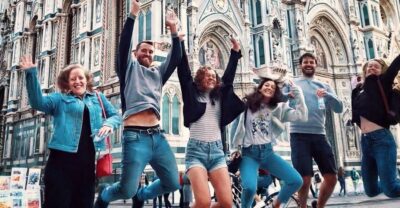
Renaissance and Medici Tales Guided Walking Tour
Read our review →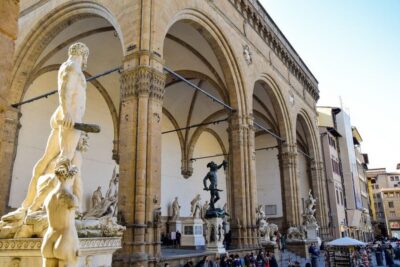
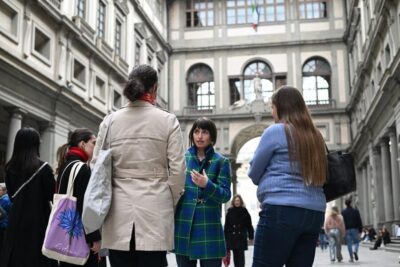
Guided Tour of Medici Family Secrets and Chapels
Read our review →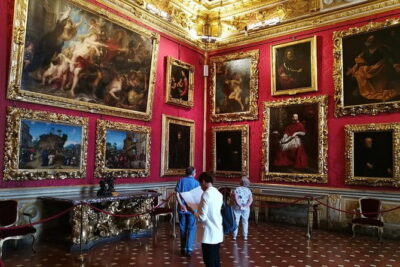
Pitti Palace, Palatina Gallery and the Medici: Arts and Power in Florence.
Read our review →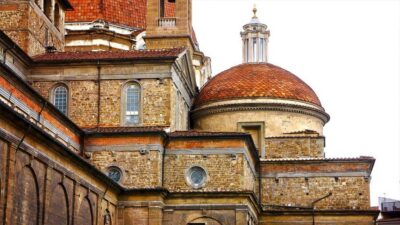
Browse the lists this tour appears in