
Reviewed · FLORENCE RENAISSANCE HISTORY TOURS
Florence Renaissance walking tour
Florence’s Renaissance center is best understood on foot, and this tour links its major sights in a tidy two-hour route. You’ll hear about the Medici, Michelangelo, Florentine craft traditions, and Brunelleschi’s dome while moving from the Arno to Piazza del Duomo with a professional art historian.
I like the route’s strong visual variety and the chance to enter the Duomo with a guide rather than simply snapping a photo outside. I also like the small-party format, although the published group limits vary between 12 adults and 15 people, so you should confirm the final size before booking.
- The route connects both sides of the Arno, including Ponte Vecchio, Oltrarno, Pitti Palace, and the city center.
- A certified art historian leads the walk, with commentary on Medici power, Gothic design, Renaissance art, and local crafts.
- The Duomo visit gives the tour a clear centerpiece, with views of Brunelleschi’s Cupola and the Baptistery doors.
- Uffizi and Pitti Palace are explained from outside, since their admission tickets are not included.
- Earphones are provided, an important help when Florence’s streets are noisy.
- The $40.33 price is fair for a guided walk with cathedral entry, but less attractive if you want extensive interior time at every sight.
A Florence walk that starts beside the Arno
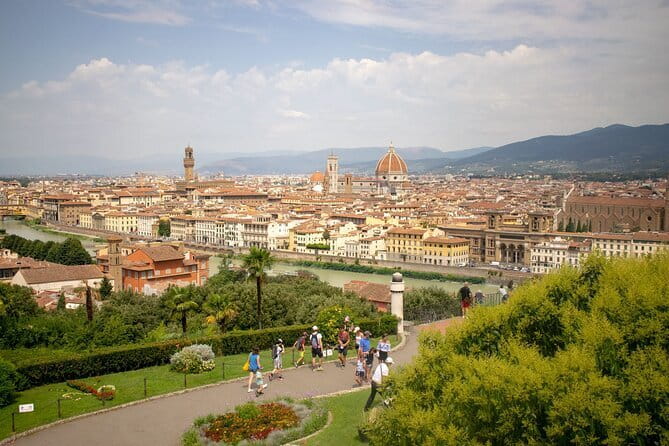
The meeting point is Lungarno degli Acciaiuoli, 10, near the river and the historic bridges. The route begins with a look at Florence’s oldest bridge, then moves through the central sights before ending in Piazza del Duomo at about 1 p.m.
This is a walking tour in the true sense. You are not being carried between monuments by bus, and the guide’s commentary is meant to make the streets and squares readable as you go. Wear comfortable shoes, since the program covers a fair stretch of the historic center in roughly two hours.
The tour is conducted in one language by a certified guide. Earphones are included, which should help you follow the explanation while standing in open squares or walking with the group. One available assessment described the guide as very strong on Florence’s history and good at answering questions, though sometimes too soft-spoken to hear easily. That is useful advice: stay close to the guide, especially in crowded piazzas.
Medici power at the Uffizi and Palazzo Pitti
The first major stop is the Gallerie degli Uffizi, where you learn about the Medici family and the art collection associated with their rule. You do not enter the gallery, and admission is not included, so think of this as a short orientation rather than an art-museum visit.
That distinction matters. The Uffizi deserves several hours on its own, while this tour gives you the political and artistic setting that makes the museum easier to understand later. If you are planning a separate Uffizi visit, pay attention to the guide’s explanation of the Medici connection. It can give your later museum visit a useful framework.
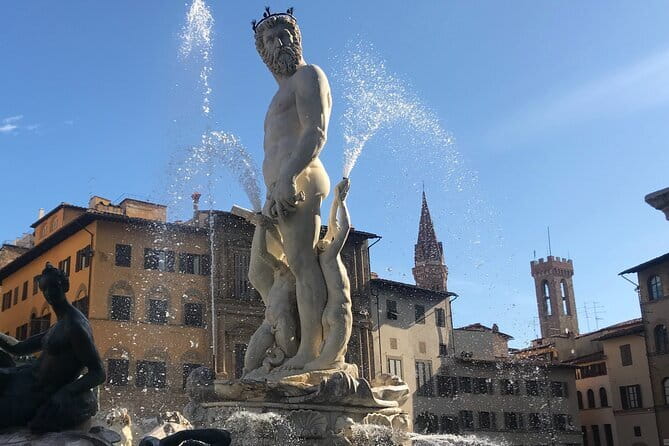
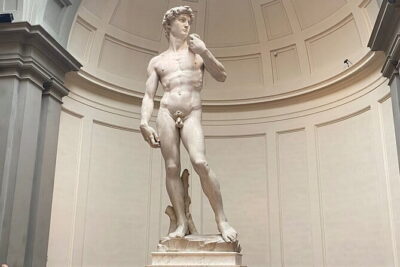
The stop at Piazza della Signoria provides a more visual reward. This broad square is filled with sculpture and civic drama, including the replica of Michelangelo’s David. The original David is elsewhere, but the copy helps you see how the statue was used as a public symbol in front of Florence’s government palace.
The itinerary allows about 10 minutes here. That is enough for a quick explanation and photographs, but not enough for a slow look at every sculpture around the square. I would treat this as an introduction to the piazza, not a substitute for returning on your own.
The route then follows the renewed passage toward Pitti Palace. The palace was associated with the Medici family and later served as a residence of the King of Italy. Again, admission is not included, and the scheduled stop is about 10 minutes.
That short pause works well for travelers who want to see the outside and understand the building’s role in Florence’s changing political life. It will feel limited if your main goal is the palace interior, its collections, or its gardens. Those require a separate visit and separate ticket.
More Renaissance and history tours in Florence:
- The Best tour in Florence: Renaissance & Medici Tales – guided by a STORYTELLER
★ 5.0 · 12,316 reviews - The Best Tour in Florence: Renaissance and Medici Tales
★ 5.0 · 10,810 reviews - The Dark Side of Florence: Mysteries and Legends
★ 5.0 · 2,785 reviews
Oltrarno crafts and the view from Michelangelo’s bridge
One of the more distinctive parts of this walk comes in Oltrarno, the area on the opposite side of the Arno. The guide makes stops at a few artisan workshops so you can learn about typical Tuscan crafts.
This is a welcome change from a route made only of famous facades. Florence is not just a collection of grand churches and Medici palaces. Its working traditions are part of the city’s identity, and a brief look at local craft studios adds a more human scale to the tour.
The information does not promise a shopping stop or a hands-on workshop, so keep your expectations modest. You are there to see and hear about artisan work, not to receive a full craft lesson. Fifteen minutes is enough for a quick look, but not for a long conversation at every studio.
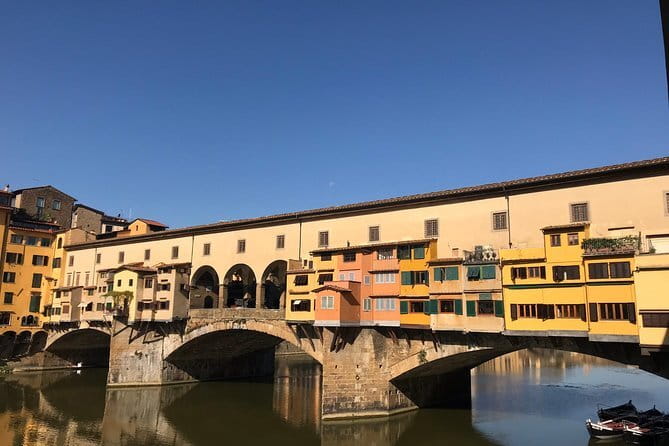
The walk continues across a bridge designed by Michelangelo, with a view toward the Ponte Vecchio. This is one of the route’s best photo moments because you see Florence as a connected city rather than as a series of isolated monuments.
You also pass along the road known for fashion. The itinerary gives no detailed description of the shops or labels, so this is mainly a streetscape stop. Still, it gives the walk a pleasant change of pace after the museums and palaces.
The bridge sections also help explain why Florence works so well as a walking destination. The river creates clear viewpoints, while the compact center lets you move from one period of the city’s story to another without a long transfer.
Piazza della Repubblica and Florence’s Roman center
Piazza della Repubblica is the next planned stop. The square marks the area associated with the ancient Roman city center and the former Jewish community. The visit lasts about 10 minutes.
This is not the most intimate square in Florence, but it helps you understand the city’s layers. Modern cafes and broad open space can make it feel quite different from the narrow medieval streets nearby. A guide’s short explanation gives the place more meaning than a quick walk across it would.
I especially like this kind of stop on a first visit. You get a basic map of Florence’s growth, from its Roman beginnings through its medieval and Renaissance periods and into the later reshaping of the city. The tour cannot cover every detail in two hours, but it gives you useful bearings.
The schedule is fairly brisk. If you stop often for photos or ask many questions, you may need to walk promptly between points. That is not a flaw, but it is worth knowing before you book. This experience is designed to cover a lot of ground, not to linger at each square.
Entering Santa Maria del Fiore
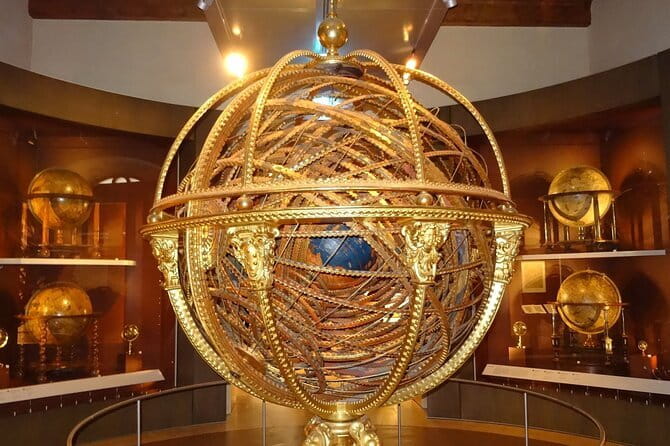
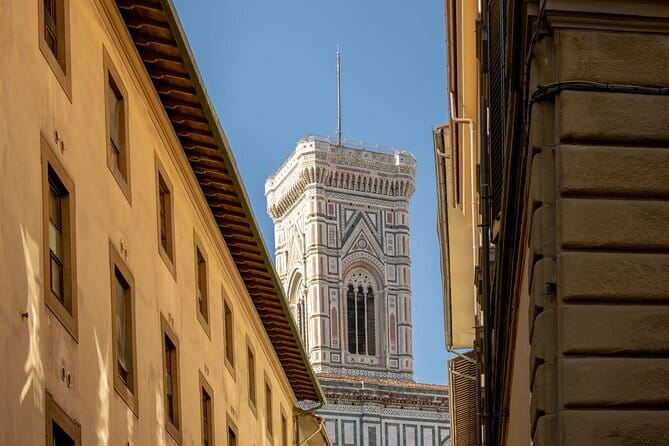
The tour ends at Piazza del Duomo, where Florence’s cathedral takes over the view. The formal name is the Cattedrale di Santa Maria del Fiore, commonly called the Duomo. Here you see the Gothic structure, Giotto’s Campanile, and the Baptistery with its famous golden doors.
The dome by Brunelleschi is the visual star. You do not need an art degree to appreciate its scale, but the guide’s explanation of Renaissance design can help you understand why the structure mattered. The tour focuses on the relationship between the cathedral’s Gothic foundation and the later Renaissance achievement of the cupola.
Cathedral entry is included, which gives this walk more value than a simple outside tour. The overview describes about an hour connected with the Florence Cathedral, while the listed Duomo stop itself is shown as about 15 minutes. Because those timings do not line up perfectly, I would confirm the exact interior time and access arrangements before you pay.
The tour does not include a climb of Brunelleschi’s dome, and the supplied details do not promise access to the Campanile, Baptistery interior, or other cathedral complex buildings. You should book this experience for a guided cathedral visit, not as a dome-climbing package.
The final setting is excellent. Ending in Piazza del Duomo leaves you beside one of Florence’s strongest clusters of sights, and you can continue exploring after the guide departs. The tour’s endpoint is Piazza del Duomo, 50122 Florence, rather than the starting point by the Arno, so plan your next activity from there.
More walking tours in Florence:
- Florence: Guided Walking Tour
★ 4.5 · 3,334 reviews - Skip the line: Uffizi and Accademia Small Group Walking Tour
★ 4.5 · 3,135 reviews - Florence: Guided Walking Tour
★ 4.6 · 1,602 reviews - Florence: Renaissance and Medici Tales Guided Walking Tour
★ 4.8 · 1,549 reviews
What the $40.33 price really buys

At $40.33 per person, the cost is reasonable for a two-hour guided walk that includes cathedral entry, a certified art historian, and earphones. The value is strongest if you want structure on your first day and prefer to connect the monuments through one story.
You are paying for interpretation and route planning as much as admission. The guide links the Uffizi, Medici family, Signoria, Pitti Palace, artisan workshops, Roman center, and Duomo without requiring you to research the connections yourself.
The price is less compelling if you only want a quick exterior walk. Many of the major stops are short, and admission is not included at the Uffizi or Pitti Palace. If those interiors are your priority, budget for separate tickets and time.
The tour is listed as private, with a maximum of 12 adults in the main description. The additional information gives a maximum of 15 participants. That difference is worth checking at booking, especially if you are choosing this because you want a very small group.
The experience is booked, on average, 73 days ahead. That does not guarantee that every date sells out, but it suggests you should not leave it until the last minute if your Florence schedule is fixed.
Who will get the most from this route
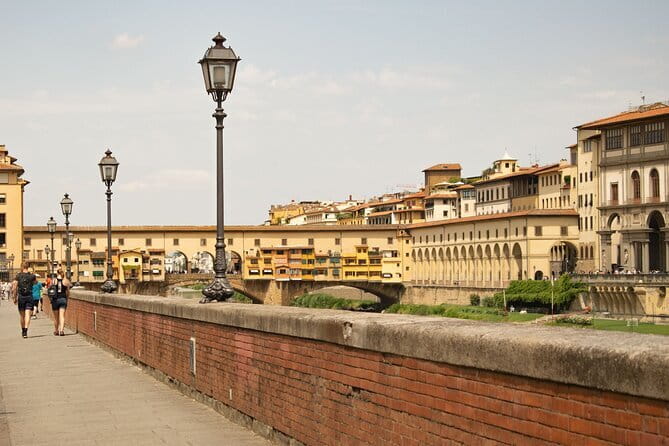
I would choose this tour for a first visit to Florence, especially if you want a quick city orientation before returning to individual museums. The route covers the central sights without burying you in dates and names.
It also suits art-minded visitors who want a guide trained in art history. You will hear about Renaissance design, Gothic architecture, Medici collecting, Michelangelo, and Brunelleschi in the places where those subjects make sense.
Families can participate, though children must be accompanied by an adult. Most people can take part, and the tour runs near public transportation. The supplied details do not list special accessibility arrangements, so anyone with mobility concerns should ask the provider about the walking route and cathedral access before booking.
I would hesitate to choose it if you want a slow, highly detailed visit to the Uffizi or Pitti Palace. Neither museum is entered on this route. I would also hesitate if soft-spoken guiding frustrates you, since one assessment specifically found it hard to hear the guide at times. The earphones should help, but staying near the front remains sensible.
The available feedback gives the guide quality its clearest praise. One person described the guide as very well informed about the history and strong at answering questions. Another Italian-language comment described the guide as helpful and well prepared, with useful suggestions for other things to see in Florence. That points to a guide who can do more than recite a script, though individual guide assignment can vary.
Timing, meeting point, and practical planning
The start time is 11 a.m. at Lungarno degli Acciaiuoli, 10. Arrive with enough time to find the meeting point, since the route begins near the river and you do not want to join while the group is already moving.
The tour lasts approximately two hours and finishes in Piazza del Duomo. No refreshments are included, so carry water and plan a snack before or after the walk. Florence’s historic center has many places to pause, but stopping for a full meal would not fit the published schedule.
A mobile ticket is provided. Confirmation arrives when you book, and children need an accompanying adult. The tour is offered in a single language, so check that the language you need is available for your chosen date.
Free cancellation is available until 24 hours before the start time. Inside that window, the amount paid is not refunded and changes are not accepted. The local time in Florence controls the cut-off. The experience also requires a minimum number of participants, and if that minimum is not reached, the provider offers another date or experience, or a full refund.
Should you book the Florence Renaissance walking tour?
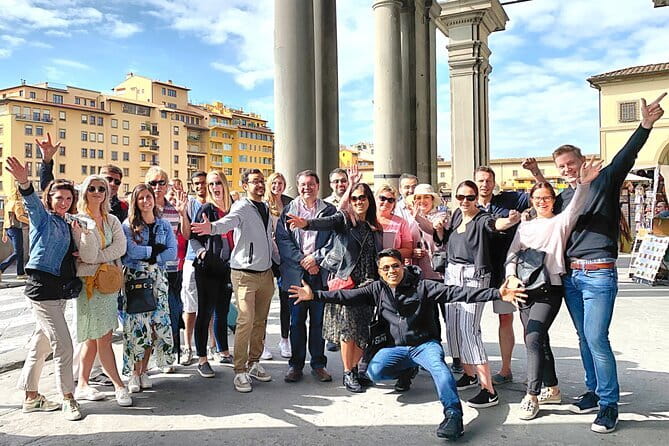
Book it if you want a compact introduction to Florence led by an art historian, with the Duomo as the main payoff. The route is especially useful for first-time visitors who want to understand how the Medici, Renaissance art, river crossings, palaces, crafts, and cathedral fit together.
Skip it if you want long interior visits at the Uffizi or Pitti Palace, a dome climb, or a slow photography walk. At $40.33, it offers solid value for guided context and cathedral entry, but its short stops mean you are buying a city overview rather than a full museum day.
For the best experience, stay close enough to hear the guide, wear walking shoes, and confirm the exact group size and cathedral timing before booking. If those details suit your plans, this is a practical way to get Florence’s famous center under control in one well-planned morning.
FAQ
How long does the Florence Renaissance walking tour last?
The tour lasts approximately two hours.
What time does the tour start?
The scheduled start time is 11 a.m.
Where does the tour begin?
The meeting point is Lungarno degli Acciaiuoli, 10, 50123 Florence, Italy.
Where does the tour end?
The tour ends in Piazza del Duomo, 50122 Florence, Italy.
Is entry to the Duomo included?
Yes. Entry to the UNESCO-listed Florence Cathedral is included. The supplied details do not state that entry to the Uffizi or Palazzo Pitti is included.
Are refreshments included?
No. Refreshments are not included.
What is the cancellation policy?
You can cancel for a full refund up to 24 hours before the experience starts. Cancellations or changes made less than 24 hours before the start time are not accepted for a refund.
Recently added around Florence
- Accademia and Uffizi Small-group Guided Tour★ 4.5 · 8 reviews
- The David from Michelangelo.★ 5.0 · 3 reviews
- Combo: Accademia + walking + Uffizi Galleries Guided Tour★ 3.5 · 6 reviews
- The Complete Wine Tour Brunello, Nobile, Chianti wine experience★ 4.0 · 7 reviews
- The Best of Tuscany in 3 Days★ 4.5 · 13 reviews
- The Cooking Lab – Authentic Food Experience★ 5.0 · 113 reviews
- Florence Central Market Food Tour – Private Tour★ 4.0 · 7 reviews
- Family Friendly Florence Private City Tour★ 5.0 · 47 reviews
Florence Renaissance History Tours, compared.
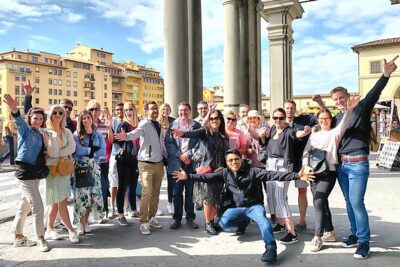
The Best tour in Florence: Renaissance & Medici Tales – guided by a STORYTELLER
Read our review →
The Best Tour in Florence: Renaissance and Medici Tales
Read our review →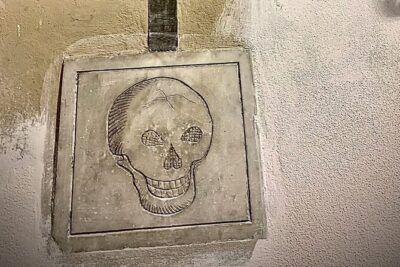
The Dark Side of Florence: Mysteries and Legends
Read our review →
Renaissance and Medici Tales Guided Walking Tour
Read our review →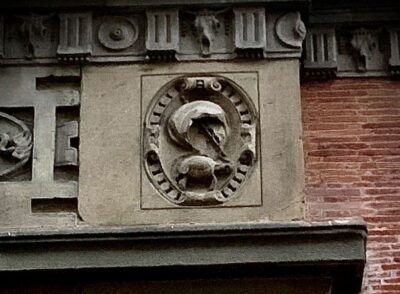
Dark Mysteries and Legends Guided Walking Tour
Read our review →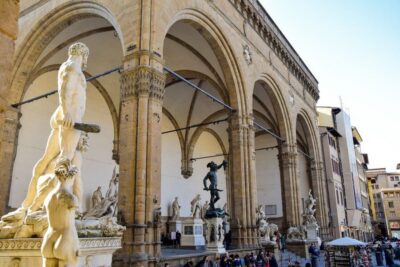
Accademia Gallery: Michelangelo’s David and High Renaissance Art
Read our review →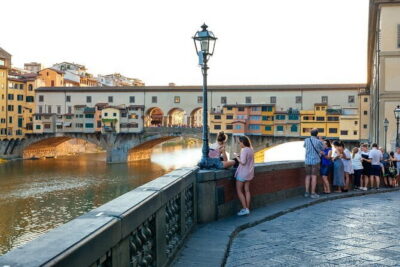
Florence Private Tour: Renaissance, Famous Families & Hidden Gems
Read our review →Browse the lists this tour appears in