
Reviewed · PITTI PALACE AND BOBOLI GARDENS TOURS
Medici’s Mile Walking Tour plus Pitti Palace or Boboli Gardens Ticket
The Medici family shaped Florence from behind palace walls, church chapels, and one famously private passage above the city streets. This walking tour connects those places in a compact route from San Lorenzo to Palazzo Pitti, giving you a useful first look at how power, art, and family politics worked together in Renaissance Florence.
I like two things here: the route links famous sights with lesser-known Medici connections, and the guide provides context you would miss by simply walking between them. Guides such as Marcello, Mata, and Andrea have been praised for lively storytelling, while the supplied earpieces help you hear in crowded streets. The main caution is important: you follow the outside route of the Vasari Corridor, not the corridor interior, and your Pitti or Boboli admission may be scheduled several hours after the walk.
Key points to know before you book
- A Medici-focused route: San Lorenzo, the Medici Chapels, Palazzo Medici Riccardi, the Duomo area, Piazza della Signoria, Santa Felicita, Ponte Vecchio, and Palazzo Pitti all fit into one historical story.
- The Vasari Corridor is viewed from outside: You do not walk through the secret passage on this tour.
- Choose one final attraction: Your ticket covers either Palazzo Pitti or Boboli Gardens, with self-guided time after the walking portion.
- Allow extra time beyond two hours: Garden or palace entry can be set for a later time, sometimes several hours after the morning walk.
- Expect a small group: The maximum is 20 people, and audio earpieces may be used.
- Comfortable shoes matter: The route is on city streets, and appropriate clothing is needed for churches.
Why the Medici story works best on foot
The Medici family can feel like a long list of names, marriages, rivalries, and grand art projects. This route gives those facts a physical shape. You begin near the family church and burial chapel, pass their first major residence, cross the civic center, and end at the palace where their dynasty spent its final years.
That sequence is the tour’s real strength. You are not just looking at isolated buildings. You are watching the Medici move through Florence, from merchants with political ambitions to rulers with private corridors, country estates, court ceremony, and enormous artistic reach.
The tour is also a practical introduction to the city center. You see the Duomo, Baptistery, Giotto’s bell tower, Piazza della Signoria, Ponte Vecchio, and the Oltrarno district in one walk. If Florence is new to you, this route can help you get oriented before returning to the sights that deserve more time.
The experience lasts about two hours, though the short listed stops do not mean you will spend only ten minutes in every place. The guide’s commentary and the pace of the group determine how long each point receives. Expect a moving outdoor tour rather than extended visits inside every church or museum.
More Pitti Palace and Boboli Gardens visits:
- Florence: Uffizi, Pitti Palace & Boboli Combined 5-Day Pass
★ 4.5 · 1,726 reviews - Florence: Pitti Palace and Boboli Gardens Ticket & eBook
★ 4.5 · 835 reviews - Florence: Pitti Palace, Boboli Garden, Palatine Gallery Tour
★ 4.9 · 558 reviews
San Lorenzo and the Medici Chapels
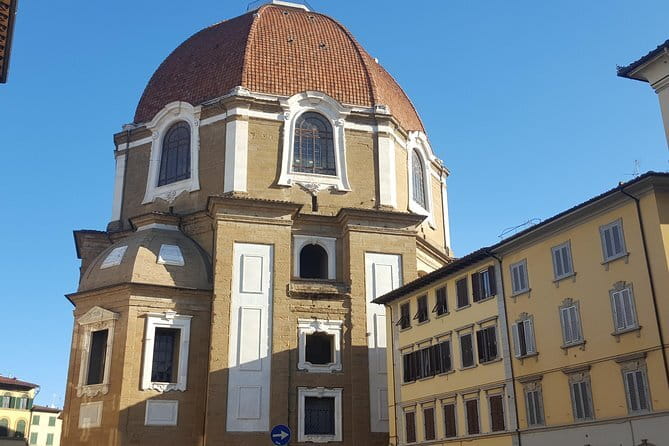
The meeting point is on Via de’ Martelli, near Florence’s cathedral complex. From there, the walk heads toward the Basilica of San Lorenzo, the church most closely tied to the Medici family.
San Lorenzo matters because it shows the family’s public role before you reach the more theatrical palaces. The Medici supported the church and used it as a place to display family loyalty, wealth, and religious devotion. The building’s plain exterior can surprise you, especially after seeing photographs of Florence’s more decorative churches, but that contrast makes the interior and family connections more meaningful.
Nearby, the Cappelle Medicee, or Medici Chapels, serve as the family mausoleum. This is one of the tour’s most useful stops for understanding the Medici as a dynasty rather than simply a collection of wealthy patrons. Burial places tell you who was considered important, how the family wanted to be remembered, and how art could reinforce that message.
The supplied schedule lists these stops with no separate admission charge as part of the walking experience. Do not assume this means you receive a full museum visit inside the Medici Chapels. The tour is designed as a guided city walk, and the included attraction ticket is for your later choice of Palazzo Pitti or Boboli Gardens.
Palazzo Medici Riccardi and the family’s first home
The next major stop is Palazzo Medici Riccardi, the first great Medici residence. Its location is not accidental. The family wanted a home that projected wealth and authority without looking like a fortress built by a tyrant.
Your guide can use the palace to explain how the Medici balanced private power with public respectability. Florence was a republic in name, and open royal behavior could provoke resistance. A carefully designed palace, strategic marriages, charitable projects, and support for artists helped the Medici gain influence while presenting themselves as responsible citizens.
This is where a strong guide can make the tour feel alive. Marcello has been praised for combining facts with humor and storytelling, while Mata was singled out for bringing a local Florentine perspective to the narrow streets. Guide quality can vary, so your experience depends partly on who leads the group and how clearly the history is presented.
A monotone delivery has been a problem for some participants, particularly those who already know Florence well. If you have studied Italian art or walked these streets several times, the basic information may feel familiar. If you are new to the city, the palace becomes a helpful anchor for the rest of the route.
Piazza San Giovanni and Florence’s symbolic center
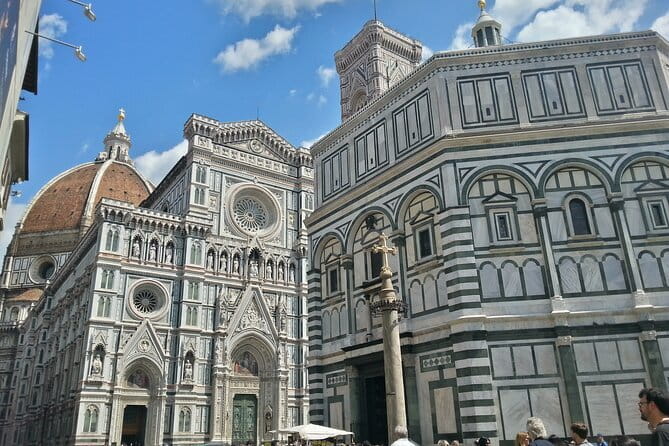
The walk then reaches Piazza San Giovanni, where you can see Florence’s main cathedral complex. Brunelleschi’s Dome, Giotto’s bell tower, and the Baptistery form one of the city’s most recognizable views.
The value here is not simply the photograph. The square helps explain the scale of Florence’s civic and religious ambition. The Medici did not create the cathedral complex, but they operated in a city where art, faith, trade, and politics were displayed in public. Your guide can connect the family’s patronage to the wider culture that made Florence such an important center of Renaissance art.
The square can be crowded, and the group may pause in a busy pedestrian area. An audio system is especially useful here. One highly positive account praised the earpieces because they made it easier to hear the guide in the city crowds.
You will want to look up often, but keep an eye on the group. The itinerary moves through central Florence, and losing sight of the guide in a crowded square would be an avoidable nuisance.
More Medici family tours in Florence:
- The Best tour in Florence: Renaissance & Medici Tales – guided by a STORYTELLER
★ 5.0 · 12,316 reviews - The Best Tour in Florence: Renaissance and Medici Tales
★ 5.0 · 10,810 reviews - Florence: Renaissance and Medici Tales Guided Walking Tour
★ 4.8 · 1,549 reviews - Florence: Mysteries of the Medici Guided Walking Tour
★ 4.4 · 940 reviews
Piazza della Signoria and Medici power in public
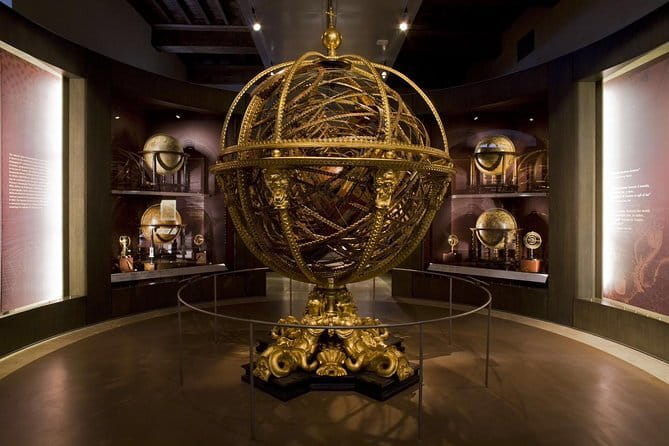
Piazza della Signoria changes the mood. This is Florence’s great civic stage, bordered by Palazzo Vecchio and filled with sculptures in the Loggia dei Lanzi. The Fountain of Neptune adds another piece of political theater.
The square helps you see how the Medici moved from influential citizens to rulers. Public statues and government buildings were not decoration alone. They expressed who held power, what ideals the city wanted to project, and how political messages could be placed in plain sight.
Palazzo Vecchio remains one of Florence’s major attractions, but this tour does not include a full museum visit there. You receive an outdoor explanation, then continue. That is useful for orientation, but you should plan a separate visit if you want the interior rooms and artworks.
This stop also shows the tour’s limits. Ten or so minutes can introduce the square, but it cannot explain every sculpture, political event, and artistic commission in detail. The guide is giving you a framework to use later, not replacing a full art-history visit.
Santa Felicita and the route of the Vasari Corridor
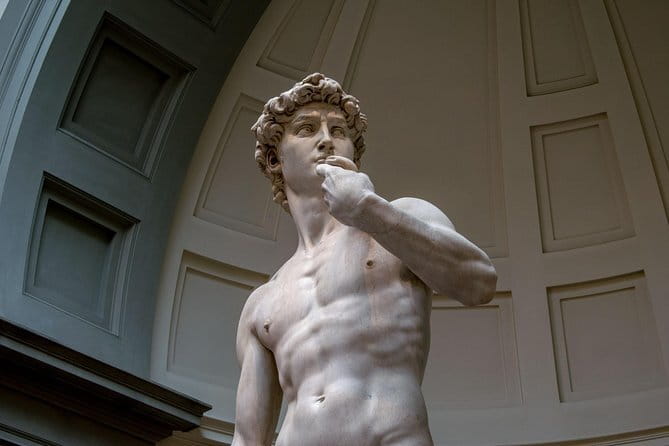
Across the river, the Church of Santa Felicita is linked to the Medici through the Vasari Corridor. The church contains works by Pontormo, giving the stop an artistic reason as well as a political one.
The Vasari Corridor was built as a private elevated route connecting Palazzo Vecchio with Palazzo Pitti. It allowed the Medici court to cross the city without mixing with crowds at street level. The passage ran beside or above several important sites, including Ponte Vecchio, and gave the ruling family a way to move with privacy.
Here is the point you must understand before booking: the tour follows and explains the corridor’s route from the outside. It does not take you inside the corridor. The corridor has been closed for maintenance, and several people expected more because of the wording used to describe the experience.
That misunderstanding has caused real frustration. If you picture yourself walking through the narrow passage and looking down over Florence, this is not that experience. You will see the relevant exterior areas and hear how the passage functioned. That can still be interesting, but it is a different product from an interior corridor visit.
Ponte Vecchio and the crossing into Oltrarno
Ponte Vecchio is the natural bridge between the first and second parts of the walk. It is Florence’s oldest and best-known bridge, and its shops make it one of the city’s most crowded crossings.
The bridge is more than a scenic stop in this context. It helps you understand why the Vasari Corridor mattered. The Medici could cross the Arno above street level while remaining separate from the public below. The bridge also marks your move from the central historic district into Oltrarno, the neighborhood on the far side of the river.
Take care with your footing and your pace here. The bridge can be packed, and the group may need to pause at the edges rather than in the center of the pedestrian flow. The route is not a strenuous hike, but you will be on your feet on hard city surfaces, so comfortable shoes are sensible.
Palazzo Pitti: four collections in one palace
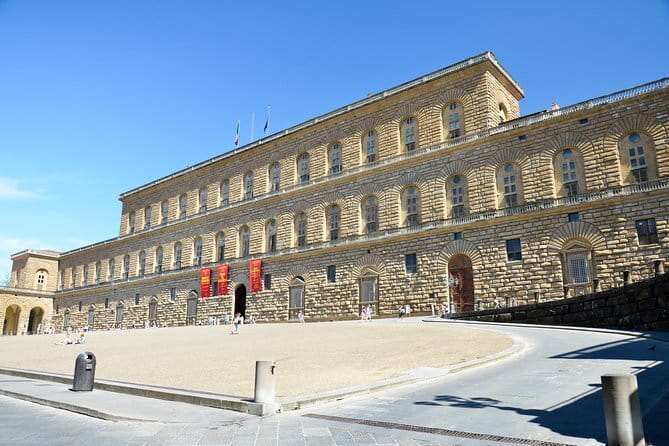
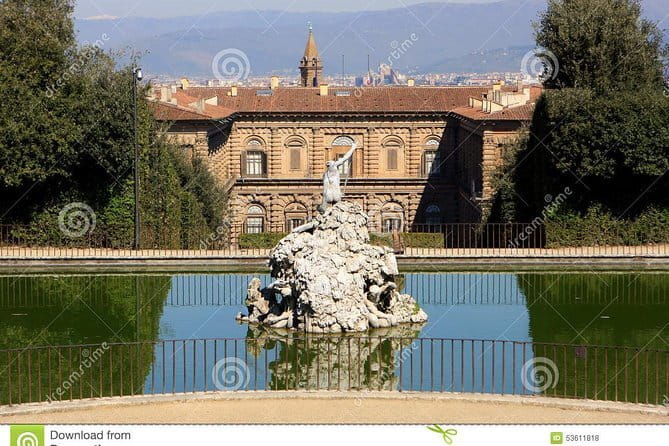
The walking tour ends at Palazzo Pitti, the last Medici residence. Your included ticket can give you independent entry to several palace collections:
- The Palatine Gallery
- The Gallery of Modern Art
- The Museum of Fashion and Costume
- The Treasury of the Grand Dukes
This option suits you best if you want paintings, rooms, court objects, and indoor displays. It also gives you flexibility after the guided portion, though your entry time matters. The ticket may be assigned for later in the day rather than immediately after the walk.
That timing has been a major source of confusion. A morning walk can finish around midday, while a Pitti or Boboli admission time may be around 2 p.m. or later. Read the personal voucher carefully before you set your schedule. If you have a restaurant booking, train departure, or another museum appointment, the gap could affect your plans.
A palace ticket is good value if you were already planning to visit Pitti. At $79, you are paying for a guided historical walk plus admission to a major Florentine complex, rather than for transportation or a private tour. The value falls if you only want the walk and do not have time for the palace collections.
Boboli Gardens and the optional outdoor finish
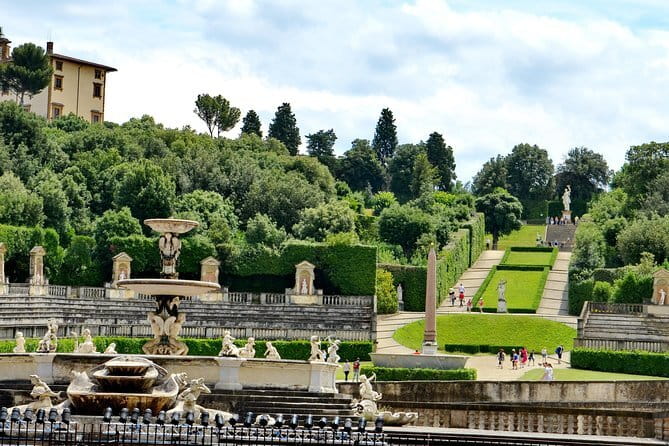
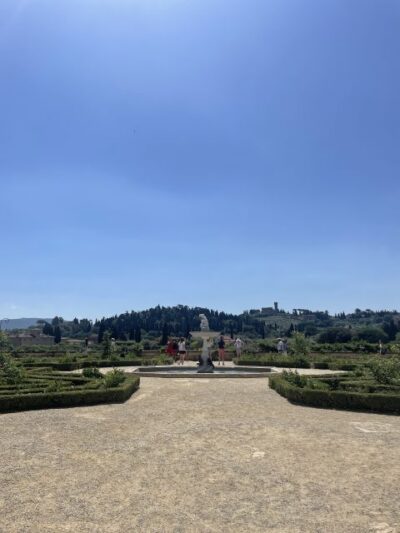
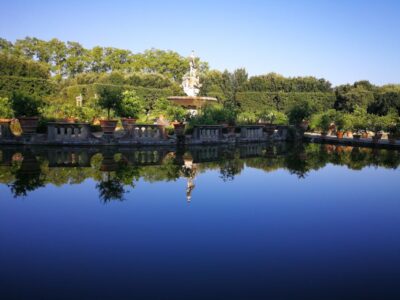
If you choose Boboli Gardens instead, you get an outdoor experience with formal paths, sculptures, garden spaces, and views across Florence. The ticket also includes the Porcelain Museum and Bardini Gardens according to the supplied details.
Boboli works well after the walking tour if you want fresh air and room to slow down. It is less suited to a tightly scheduled day because the gardens deserve time, and the entrance may be set for later rather than immediately after the guide says goodbye.
The Bardini Gardens are especially appealing for views over Florence and the Tuscan hills. Still, you should not treat the garden ticket as a quick add-on. A later admission can turn the two-hour tour into a half-day plan, which may be exactly what you want or an awkward wait.
You also need to check the weather and wear shoes that handle uneven outdoor paths. The tour provider specifically recommends comfortable footwear, and appropriate clothing is needed for the churches visited along the way.
Guide quality, language, and group size
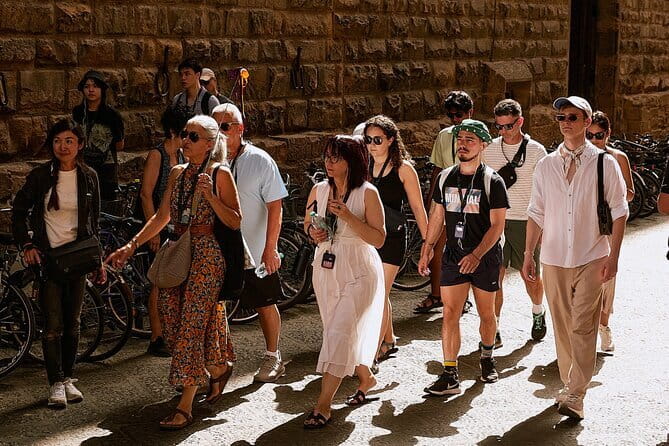
The maximum group size is 20 people. That is small enough for a guide to manage, but it is not a private walk. In a crowded Florence street, the group may spread out, which makes the audio equipment useful.
Individual guide reports vary. Marcello is praised for humor and vivid storytelling. Mata is described as informative and proud of her Florentine background. Andrea is noted for clear explanations, practical help entering Palazzo Pitti, and a restaurant recommendation. Elise P. is described as highly informed and able to discuss Florence’s art, history, and literature.
Other experiences have been less satisfying, with complaints about a flat delivery, limited detail, or unclear language arrangements. This does not mean you should avoid the tour, but it does mean the guide is a central part of the value. A good storyteller can turn familiar buildings into a connected story. A weaker presentation may leave you wishing you had walked the route alone.
English is offered, and seasonal language rules apply. From November 1, 2024, through March 31, 2025, Spanish is confirmed with a minimum of four participants. Check your booking details carefully if language is important to you, especially since one participant expected English but found the meeting arrangements unclear.
Who will get the most from this tour
I would recommend this experience to a first-time Florence visitor who wants a clear introduction to the Medici family and the city center. It is also useful for anyone who likes walking tours but wants a final museum or garden visit included in the same purchase.
You are likely to enjoy it if you want:
- A short city walk with a strong historical theme
- Help connecting the Duomo, civic center, Ponte Vecchio, and Palazzo Pitti
- A guide to explain Medici politics and patronage
- The choice between palace collections and gardens
- A small group rather than a large coach excursion
I would think twice if you already know Florence well, have walked the route several times, or expect access inside the Vasari Corridor. I would also be cautious if your schedule cannot absorb a gap between the walking tour and the timed palace or garden entry.
The tour requires a minimum number of participants. If that minimum is not met, the operator offers another date or experience, or a full refund. You can cancel for a full refund up to 24 hours before the start time. Within 24 hours, refunds and changes are not accepted.
Is the $79 price fair?
The price makes sense when you use both parts of the experience. You receive a guided walk, a focused Medici narrative, and admission to either Palazzo Pitti or Boboli Gardens. For someone who would visit one of those attractions anyway, the combination can be worthwhile.
The price is less attractive if you only want a basic orientation walk. Florence’s center is easy to explore independently, and the tour does not include interior access to every church or palace named along the route. The Vasari Corridor misunderstanding also makes it essential to buy this for the walk and the final attraction, not for a secret passage visit.
I see the best value in booking this early in your Florence stay. The route gives you a map of the city’s central sights, and you can return later to San Lorenzo, Piazza della Signoria, the Duomo complex, or Palazzo Vecchio with more time.
Should you book the Medici’s Mile?
Book it if you are new to Florence, enjoy history told through streets and buildings, and can spare several hours for the walk plus your timed Pitti or Boboli entry. The strongest guides, including Marcello, Mata, and Andrea, can make the Medici story easier to follow and more entertaining than a guidebook alone.
Skip it if you expect to walk inside the Vasari Corridor, need a tightly packed schedule, or already know the city’s central route. Before paying, confirm two details: your language and the exact entry time for Palazzo Pitti or Boboli Gardens. With those expectations clear, this is a useful Medici introduction, not a private palace tour or corridor visit.
FAQ
How long does the Medici’s Mile walking tour last?
The guided walking portion lasts approximately two hours. Your total time will be longer if your Palazzo Pitti or Boboli Gardens admission is scheduled later.
Where does the tour start?
The meeting point is Via de’ Martelli 50, 50122 Florence, Italy.
Where does the tour end?
The walking route ends at Palazzo Pitti, Piazza de’ Pitti 1, 50125 Florence, Italy.
Can I enter the Vasari Corridor?
No. The tour follows and explains the exterior route of the Vasari Corridor. It does not include walking inside the corridor.
Do I get to visit Palazzo Pitti?
You can choose a ticket for Palazzo Pitti. That ticket permits independent visits to the Palatine Gallery, Gallery of Modern Art, Museum of Fashion and Costume, and Treasury of the Grand Dukes.
Can I choose Boboli Gardens instead?
Yes. You can choose admission to Boboli Gardens instead of Palazzo Pitti. The supplied details also include the Porcelain Museum and Bardini Gardens with this option.
Is the palace or garden visit immediately after the walk?
Not always. Your voucher may assign an entry time several hours after the walking tour, so check it before planning the rest of your day.
How many people can join the tour?
The maximum group size is 20 people.
What should I wear and bring?
Wear comfortable shoes for the city walk. Appropriate clothing is recommended because the route includes places of worship.
More walking tours in Florence
- Florence: Guided Walking Tour
★ 4.5 · 3,334 reviews - Skip the line: Uffizi and Accademia Small Group Walking Tour
★ 4.5 · 3,135 reviews - Florence: Guided Walking Tour
★ 4.6 · 1,602 reviews - Florence: Uffizi & Accademia Small Group Walking Tour
★ 4.7 · 1,380 reviews
Recently added around Florence
- Accademia and Uffizi Small-group Guided Tour★ 4.5 · 8 reviews
- The David from Michelangelo.★ 5.0 · 3 reviews
- Combo: Accademia + walking + Uffizi Galleries Guided Tour★ 3.5 · 6 reviews
- The Complete Wine Tour Brunello, Nobile, Chianti wine experience★ 4.0 · 7 reviews
- The Best of Tuscany in 3 Days★ 4.5 · 13 reviews
- The Cooking Lab – Authentic Food Experience★ 5.0 · 113 reviews
- Florence Central Market Food Tour – Private Tour★ 4.0 · 7 reviews
- Family Friendly Florence Private City Tour★ 5.0 · 47 reviews
Pitti Palace and Boboli Gardens Tours, compared.
Uffizi, Pitti Palace & Boboli Combined 5-Day Pass
Read our review →
Pitti Palace, Boboli Garden, Palatine Gallery Tour
Read our review →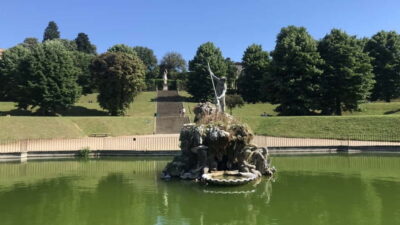
Uffizi, Pitti, Boboli and 7 Attractions 5-Day Pass
Read our review →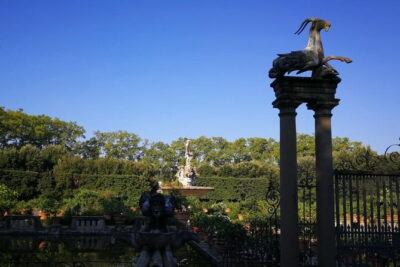
Pitti Palace, Boboli Garden & Palatina Gallery Guided Tour
Read our review →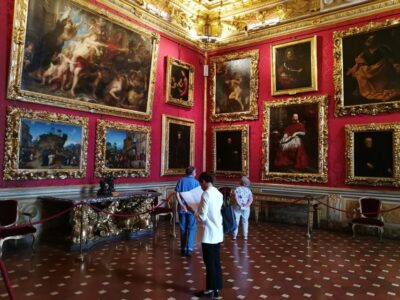
Pitti Palace and Palatina Gallery Ticket and Tour
Read our review →
Pitti Palace, Palatina Gallery and the Medici: Arts and Power in Florence.
Read our review →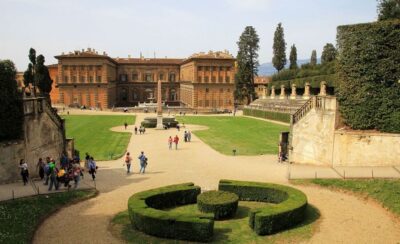
Browse the lists this tour appears in