
Reviewed · FLORENCE
Discovering Bees in Volterra
The most surprising part of Discovering Bees in Volterra is how close you can get to a working hive without taking silly risks. Valentina explains the life of the queen, workers, and drones while the bees carry on around you. Her family then shows the work from outside, giving you both the safe view and the practical one.
I like the family setting and the hands-on finish. You are not just told that honey comes from bees. You can watch it being extracted, taste it fresh, compare several kinds, and buy products made on the farm. I also like the old agricultural tools along the 500-meter walk, a small touch that connects the apiary to local rural life.
The main drawback is access. The road to the farm is unpaved and notably bumpy, and the activity requires a short walk. The meeting point is in Volterra, not central Florence, so you need to plan your drive carefully.
Key points at a glance
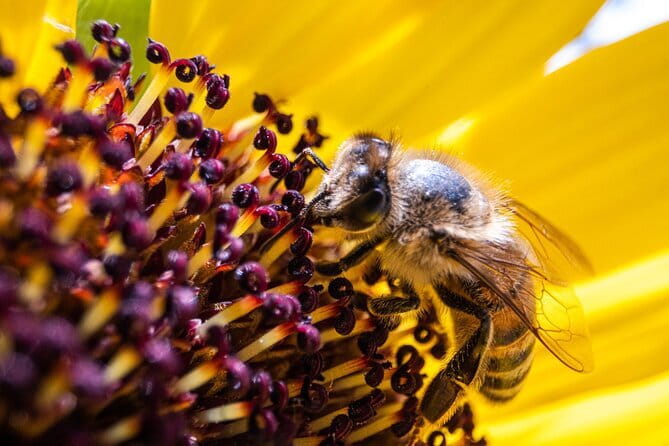
- A safe view inside the apiary: Watch bees at work while Valentina explains the hive and its three castes.
- A 500-meter walk with rural details: See agricultural tools that remained in use until the 1970s.
- A family-led experience: Valentina, her parents, and other family members help make the visit warm and personal.
- More than honey: Learn about propolis, pollen, royal jelly, and the famous fate of the drone.
- Fresh honey at the finish: Take part in extraction, taste the result, and browse farm products sold at their source.
- Plan for rough access: The final road is unpaved and bumpy, and the experience depends on good weather.
A working apiary, not a staged farm display
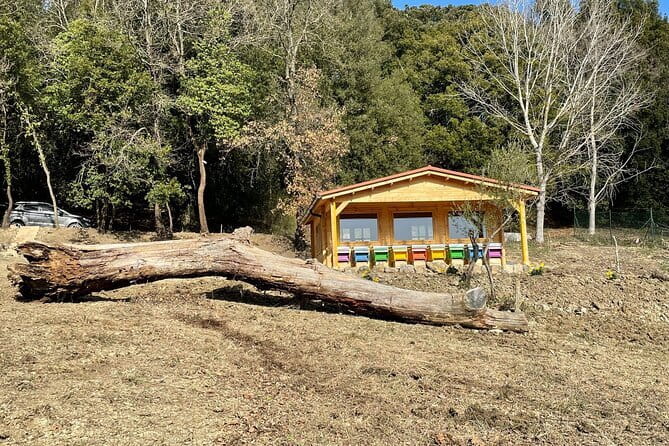
This experience gives you a short, focused look at beekeeping on a family property near Volterra. The visit lasts about 90 minutes, which is enough time to see the apiary, hear the main explanations, and finish with honey tasting without turning the outing into an all-day commitment.
You meet at Miele del FertiPodere Torricella, at 65, 56048 Volterra PI, Italy. The supplied location describes the activity as Florence, but the actual meeting point is in Volterra. I would use the Volterra address when planning your route, particularly if you are staying in Florence and expect a quick city-side excursion.
The experience is private, so only your own group takes part. That matters here. A small group makes it easier to ask questions, spot the queen, and hear the explanations around a working hive. It also suits families, since children can follow the basic story while adults ask about farming, honey production, and the wider role of bees.
Other Florence days worth putting in the same trip:
- Florence: Skip-The-Line Uffizi Gallery Timed Entry Ticket
★ 4.5 · 27,832 reviews - Tuscany Day Trip from Florence: Siena, San Gimignano, Pisa and Lunch at a Winery
★ 5.0 · 21,634 reviews - Florence: Timed Entrance Ticket to Michelangelo’s David
★ 4.6 · 16,983 reviews
The 500-meter walk through working farm country
The first part is a walk of about 500 meters to the educational apiary. This is not a long hike, but you should wear sensible shoes, especially since the approach road to the property has been described as unpaved and bumpy.
Along the way, you can see old agricultural tools that were still in use until the 1970s. This detail gives the visit more shape than a simple bee demonstration. You begin with the tools and routines of older farm life, then reach a modern working apiary that still depends on close attention to land, weather, and small creatures.
I like this pause before the hive visit. It gives you a glimpse of the family farm and its older way of doing things. Do not expect a formal museum display. The appeal is in seeing objects and working methods connected to the property rather than arranged as a polished attraction.
The route itself is the part to consider if anyone in your group has trouble with uneven ground. The activity is described as suitable for most people, and service animals are allowed, but the rough access road and short walk are still worth noting when planning.
Seeing the queen, workers, and drones
At the apiary, Valentina explains the three bee castes: the queen, the worker bees, and the drones. This sounds basic, but it gives the rest of the visit a clear framework. Instead of seeing a mass of moving insects, you start to understand that each bee has a particular role.
The queen is central to the hive’s reproduction. Worker bees handle the daily tasks that keep the colony going. Drones have a much shorter and rather grim story, which Valentina presents with humor as well as fact. The funny and sad tale of the drone is one of those details likely to stay with you after the visit.
One enjoyable challenge is trying to locate the queen among thousands of bees. You may not find her quickly, and that is part of the fun. It turns the explanation into a shared search rather than a lecture.
The activity emphasizes safety. You observe the bees from inside the house, in complete safety, while the beekeeper works outside. The format lets you see the hive in action without asking you to handle bees or take unnecessary chances. Some earlier participants also describe wearing protective suits, so you should expect protective equipment to be part of the practical side of the visit, although the exact arrangement is not specified.
Watching the beekeeper work outside
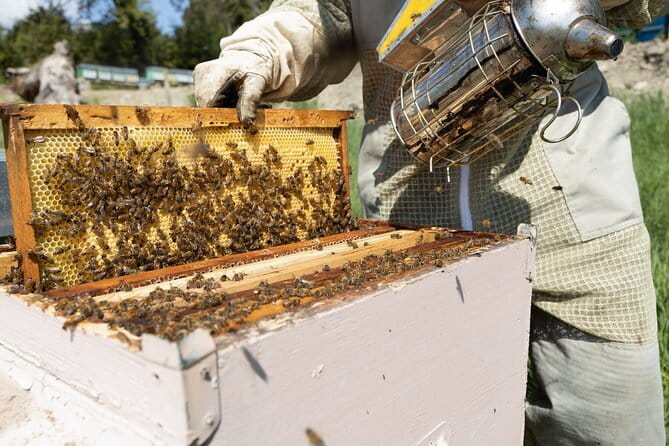
The protected viewing area shows you one side of beekeeping. The live demonstration outside shows you the other. You can watch the beekeeper handle the hive and work with the colony while Valentina explains what is happening.
This is useful because bees can seem mysterious when you only see jars of honey at a market. Here, you connect the finished product with the regular care required to maintain a hive. You also get a better sense of why beekeeping calls for patience, steady movements, and respect for the insects.
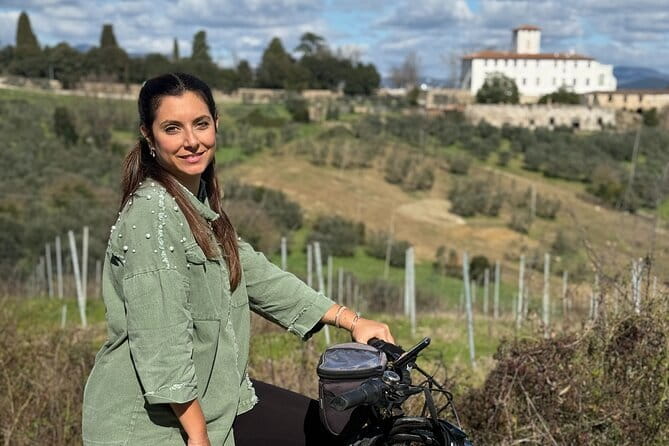
The family approach is a major part of the experience. Valentina leads the explanations, while her parents and other family members help with the visit and hospitality. The family’s attachment to the land and the farm comes through clearly, and that personal connection gives the activity a warmer feel than a standard commercial demonstration.
The tone is friendly and playful, but the subject is not treated as a novelty. Valentina’s affection for the bees is clear, and the explanations also point to their importance beyond honey production. That balance is valuable if you are bringing children. They get an engaging story, while you get a serious look at the work behind the product.
A completely different way to spend an afternoon in Florence:
- Florence: Michelangelo’s David Skip-the-Line Entry Ticket
★ 4.5 · 12,764 reviews - The Best tour in Florence: Renaissance & Medici Tales – guided by a STORYTELLER
★ 5.0 · 12,316 reviews - Florence: Leonardo Interactive Museum Entry Ticket
★ 4.5 · 11,763 reviews - The Best Tour in Florence: Renaissance and Medici Tales
★ 5.0 · 10,810 reviews
Honey is only one part of the hive
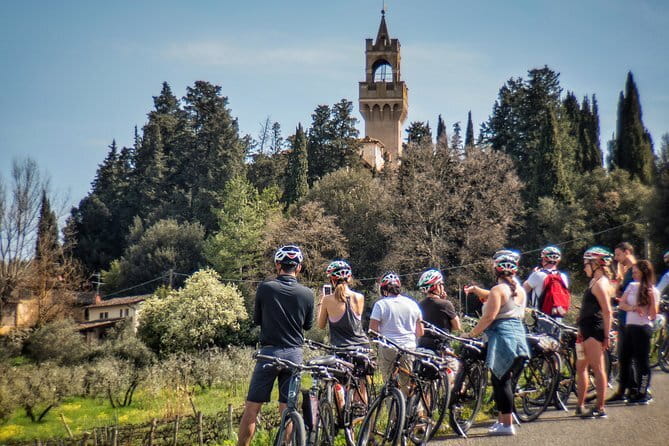
A strong part of the visit is the explanation of what else comes from a hive. You learn about:
- Honey
- Propolis
- Pollen
- Royal jelly
This helps correct the usual narrow idea that bees exist mainly to make honey for people. Propolis, pollen, and royal jelly each have a place in the life and work of the hive, and learning about them makes the final tasting more meaningful.
The visit also explains how bees build their cells and how honey is produced. You do not need a special interest in insects to follow it. The subject is presented through visible actions and simple questions: who does what, how the hive is organized, and how flowers and bees connect to the food on the table.
I would especially recommend this section for families. Younger children can focus on the queen and the search through the hive, while older children and adults can think about pollination, farm production, and why bees matter to agriculture.
Fresh extraction and a serious honey tasting
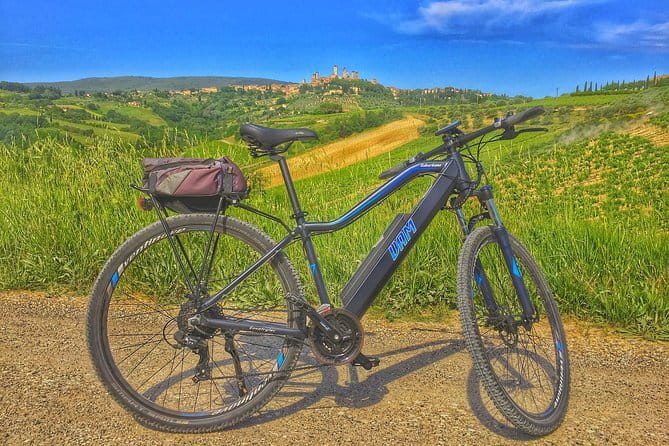
After the apiary visit, you return to the point of sale for the most delicious part of the outing. In the laboratory, you can participate in honey extraction and taste honey that has just been removed from the comb.
Freshly extracted honey gives the tasting a useful sense of place. You are not sampling anonymous jars shipped from elsewhere. You are seeing the product at the moment it becomes ready to eat, then trying it while the people who made it explain what you are tasting.
The selection can include several types, from classic millefiori to less common varieties such as ivy honey. The tasting may also include pollen and other farm products. If you find a favorite, you can purchase products at Km0, meaning they are sold close to where they are produced.
At $24.10 per person, I consider this good value if you want a small-scale food experience with real contact with the producers. The price covers more than a tasting counter. You get a guided visit, a working apiary, explanations about bee life, a look at the beekeeper’s work, and the chance to take part in extraction.
It is less compelling if you are looking for a broad Tuscan farm tour or a long countryside excursion. The activity is short and centered on bees. Its value comes from the quality of the contact and the unusual subject, not from the number of sights packed into the schedule.
A family experience with an authentic local feel

The strongest feature here is the family’s involvement. Valentina and her parents help turn a technical subject into a personal meeting. The welcome is warm, questions are encouraged, and the tasting feels like part of the farm’s daily life rather than a separate sales pitch.
That does not mean the experience is polished in the way a large attraction might be. The rough approach road is a real drawback, and the setting is likely to feel informal. For me, that is part of the appeal, as long as you arrive expecting a working property rather than a purpose-built visitor center.
The wider farm setting also connects the apiary to other local activities. One account of a larger Easter visit included an alabaster quarry visit and explanations about the surrounding area, as well as time at the Fontesettimena farmhouse. Those additions are not listed as part of this 90-minute bee activity, so you should not assume they are included. They do show that the family property is tied to a broader rural setting around Volterra.
Who will enjoy the 90-minute visit most
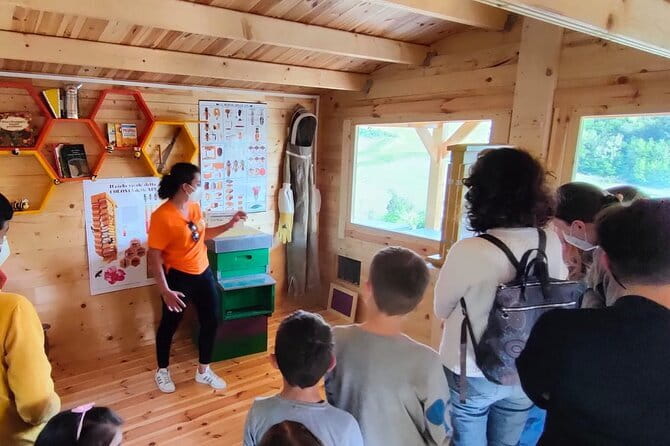
I would choose this activity for several kinds of visitors:
- Families looking for an educational outing that does not feel like school
- Couples who want a quiet food and farm experience
- Anyone curious about local products and small-scale production
- Visitors who have already seen the main sights of Florence and want something different near Volterra
- People who enjoy meeting producers directly rather than only buying goods in a shop
You do not need to be passionate about bees. One family found it became a favorite experience despite having no special interest in them beforehand. That makes sense: the activity combines animals, farming, food, and human contact in a compact format.
I would think twice if your group dislikes insects, uneven access, or rural roads. The bees are observed safely, but they are still the center of the experience. You should also allow enough time to reach Volterra and find the meeting point without rushing.
Booking, weather, and practical details
The tour is offered in English and uses a mobile ticket. Confirmation normally arrives when you book, although bookings made within one day of the start time are confirmed as soon as possible, subject to availability.
The activity is booked an average of 55 days in advance. That does not guarantee that every date sells out, but it is a useful reason to reserve ahead if your schedule is fixed, particularly during busy periods in Tuscany.
Good weather is required. If poor weather forces a cancellation, you can choose another date or receive a full refund. You can also cancel for a full refund up to 24 hours before the start time. Changes or cancellations made less than 24 hours before the activity are not accepted for a refund.
The experience ends back at the original meeting point. Most people can participate, and service animals are allowed. Since the activity includes a 500-meter walk and a bumpy unpaved approach, I would contact the operator before booking if anyone in your group needs specific assistance with uneven ground.
Should you book Discovering Bees in Volterra?
I would book it if you want an affordable, personal activity that shows you a working side of Tuscany. The best parts are the protected view of the bees, Valentina’s clear and warm explanations, the family connection to the farm, and the honey extraction and tasting at the end.
The activity is not ideal for someone seeking a major sight, a long tour, or an easy roadside stop from central Florence. You need to go to Volterra, manage the rough access road, and accept a short visit focused on one subject.
For families, food lovers, and anyone who likes meeting local producers, the $24.10 price is sensible. Bring sturdy shoes, plan around the weather, and treat the tasting as part of the lesson. You will leave with a better idea of how a hive works and, quite possibly, a jar of honey to remember it by.
FAQ
Where does Discovering Bees in Volterra start?
It starts at Miele del FertiPodere Torricella, 65, 56048 Volterra PI, Italy. The activity also ends at this same meeting point.
How long does the experience last?
The visit lasts approximately 1 hour and 30 minutes, including the walk to the apiary, the bee demonstration, and the honey extraction and tasting.
Is the activity offered in English?
Yes. The experience is offered in English, and a mobile ticket is available.
Can I watch the bees safely?
Yes. The visit includes observation of bees at work from inside the house in complete safety, along with live observation of the beekeeper working outside.
What will I taste or learn about?
You can taste freshly extracted honey and other local products. The visit covers honey, propolis, pollen, royal jelly, and the roles of queen bees, worker bees, and drones.
Can I cancel for a full refund?
Yes, if you cancel at least 24 hours before the experience begins. Cancellations made less than 24 hours before the start time are not refunded. If bad weather causes the operator to cancel, you will be offered another date or a full refund.
Recently added around Florence
- Accademia and Uffizi Small-group Guided Tour★ 4.5 · 8 reviews
- The David from Michelangelo.★ 5.0 · 3 reviews
- Combo: Accademia + walking + Uffizi Galleries Guided Tour★ 3.5 · 6 reviews
- The Complete Wine Tour Brunello, Nobile, Chianti wine experience★ 4.0 · 7 reviews
- The Best of Tuscany in 3 Days★ 4.5 · 13 reviews
- The Cooking Lab – Authentic Food Experience★ 5.0 · 113 reviews
- Florence Central Market Food Tour – Private Tour★ 4.0 · 7 reviews
- Family Friendly Florence Private City Tour★ 5.0 · 47 reviews