
Reviewed · ACCADEMIA GALLERY AND DAVID TOURS
Florence: Highlights and Small-Group Accademia Tour
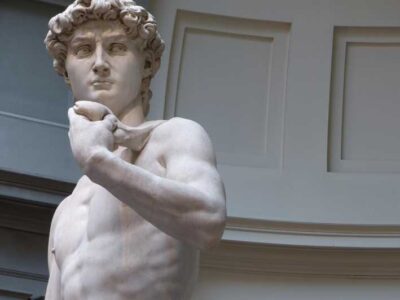
The main prize here is Michelangelo’s original David. You first walk through Florence’s central squares, bridges, palaces, and cathedral district, then use a preferential Accademia entrance to reach the famous statue. Guide Jessica has been singled out for making even a crowded museum visit meaningful.
I like the route’s broad sweep and its useful city introduction. You see Piazza della Signoria, Ponte Vecchio, Pitti Palace, the Oltrarno, Via Tornabuoni, and the Duomo in one outing. I also like the focus on stories, from the Medici family to the Vasari Corridor. The drawback is pace: one guest found the guide walked too far ahead, and the Accademia may still be crowded. A long queue can also cancel out the promised priority entrance.
Key points at a glance
- David comes at the end: Finish with the original Michelangelo statue, plus the unfinished Prisoners.
- A strong first look at Florence: Cover the city’s main public squares, bridges, palaces, shopping street, and cathedral area on foot.
- Ponte Vecchio gets two views: Cross the famous bridge, then photograph it from Ponte Santa Trinita.
- The route includes Oltrarno: See Florence’s more artistic side, with workshops and cafes along the way.
- The Accademia ticket matters: Entry is included, but a long queue can mean no priority access.
- Best for active sightseers: Expect 2.5 to 3 hours of walking, with comfortable shoes essential.
A Florence primer that ends with David
At $117 per person, this tour is priced as a guided introduction rather than a simple museum ticket. You are paying for a three-hour route, a licensed guide, and Accademia entry. That can be useful on a first visit, especially when Florence’s major sights feel close together but each one carries layers of politics, art, and family drama.
The order makes sense. You begin in the historic center, walk through the city’s major public spaces, cross into the Oltrarno, return toward the center, and finish at the Accademia. The tour does not treat David as an isolated attraction. Instead, it places Michelangelo’s work after you have seen the city that funded, displayed, and argued over so much Renaissance art.
You should expect a fairly steady walk. The route is not a ride between sights, and there is no food or drink included. Bring comfortable shoes, water for your own use, and a passport or ID card. Large bags and luggage are not allowed.
The activity is offered with a live guide in English, French, German, Italian, or Spanish. An audio guide is also listed in those languages. A private group option is available if you want a more personal format, though the standard experience is designed for a small group.
More ways to see the David at the Accademia:
- Florence: Timed Entrance Ticket to Michelangelo’s David
★ 4.6 · 16,983 reviews - Florence: Michelangelo’s David Skip-the-Line Entry Ticket
★ 4.5 · 12,764 reviews - Florence Accademia Gallery Tour with Entrance Ticket Included
★ 4.5 · 6,148 reviews
Starting at Piazza della Repubblica
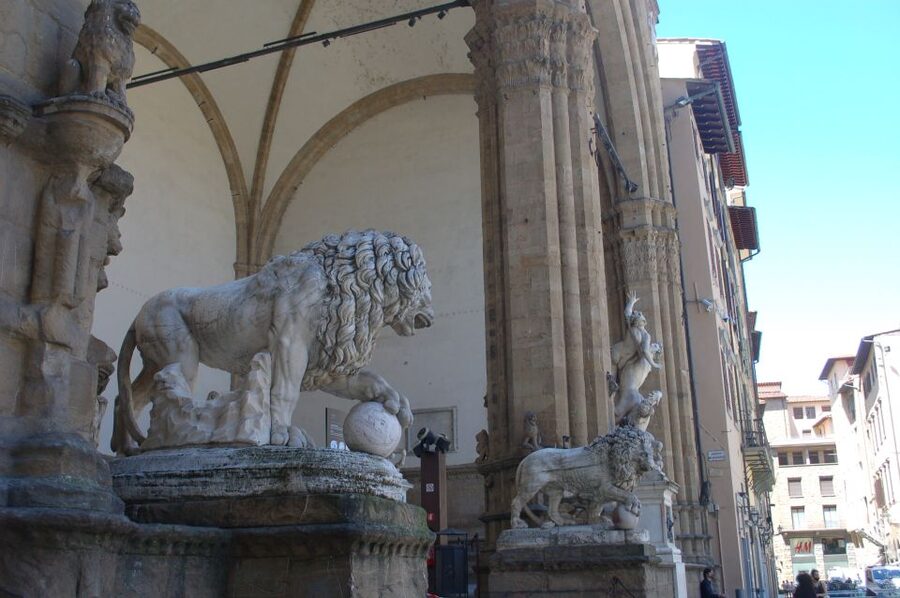
Meet your guide by the central column in Piazza della Repubblica, with its statue of a lady on top. This is an easy place to begin because the square sits at the heart of modern Florence’s shopping and sightseeing district.
The guide uses the piazza to explain an older layer of the city. It occupies the area where Florence’s ancient Roman Forum once stood, so the first stop immediately links the present-day city to its Roman foundation.
Do not expect a long stop devoted only to the square. The value is orientation. Florence can feel like a compact procession of churches, towers, and grand buildings, and this opening explanation helps you understand how the center fits together. It also gets you moving before the tour reaches its more famous stops.
Because the meeting point is in an open public square, arrive with your group details ready. The central column is the specific landmark to look for.
Piazza della Signoria and Medici power
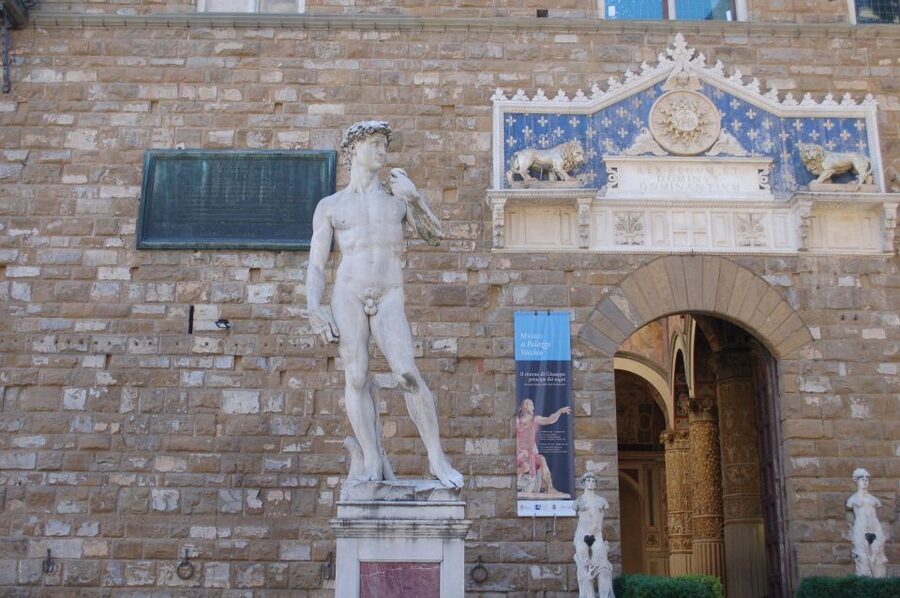
From Piazza della Repubblica, you walk to Piazza della Signoria, Florence’s political center. This is one of the tour’s best storytelling stops because the square works as an outdoor lesson in government, power, and public art.
You hear about the Florentine Republic, the Medici family, and Palazzo Vecchio. The guide also points out the sculptures around the piazza, which help explain why this space is one of Florence’s most recognizable settings.
The important point is that these are not just attractive buildings in a photo. Palazzo Vecchio represents civic authority, while the surrounding statues turn political messages into public display. A good guide can help you read the square as a place where Florence showed who ruled and what values it wanted to project.
This portion is also a reminder of the tour’s limits. You are seeing the outside of the main buildings, not taking a full museum visit inside Palazzo Vecchio. If you want extended time in the palace, you will need a separate plan.
Ponte Vecchio and the story above the shops
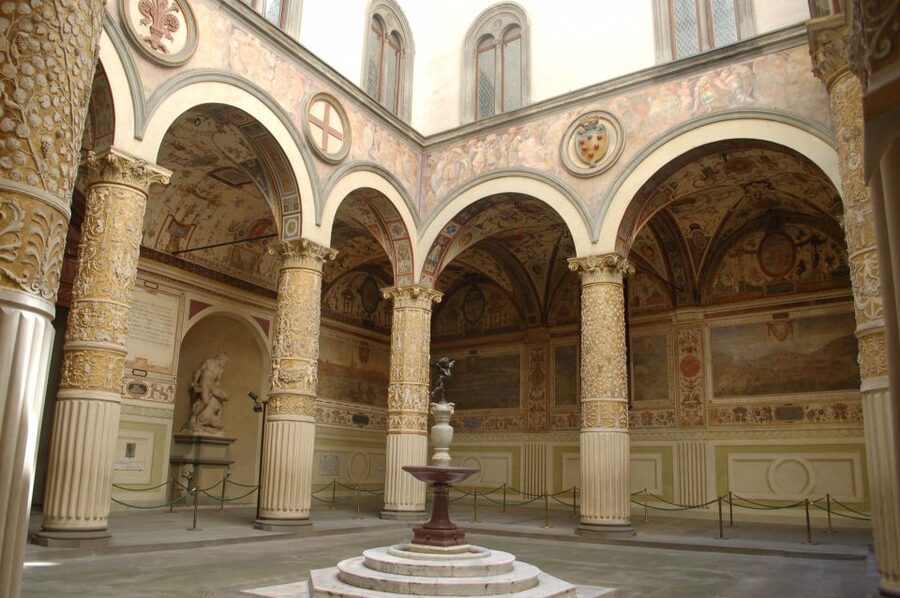
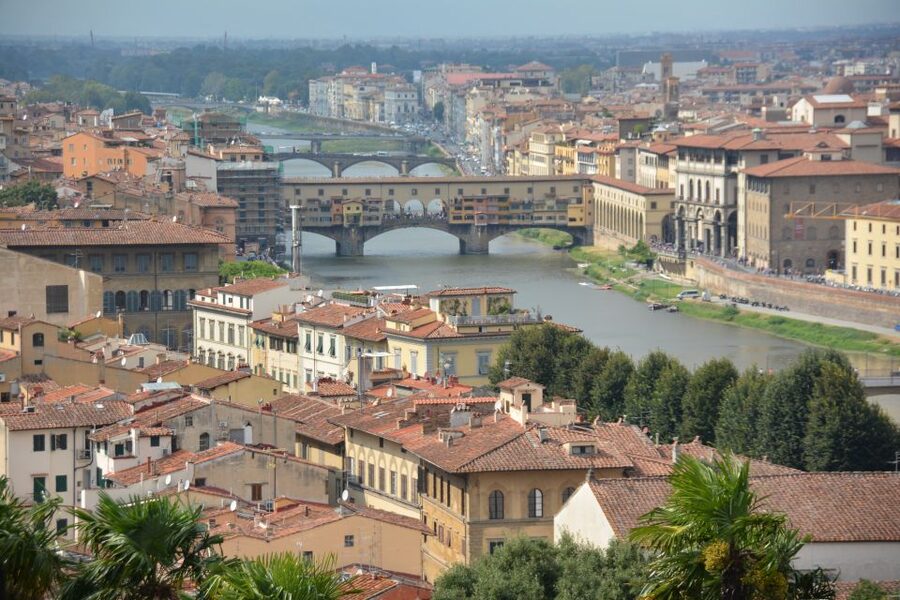
The walk continues to Ponte Vecchio, the bridge known for its jewelry shops and compact medieval appearance. The bridge can be crowded, so your guide’s explanation matters as much as the view.
Above the bridge runs the Vasari Corridor, the elevated passage associated with the Medici rulers. The corridor allowed members of the ruling family to move between important residences and government buildings without mixing with the street crowd. It is one of those Florence details that turns a pretty bridge into a piece of political architecture.
You will hear that story while looking at the bridge from ground level. The corridor itself is not described as an included interior visit, so treat it as something you see and discuss from outside.
Ponte Vecchio is also a practical place to stay close to your guide. Narrow routes, shop windows, and photo stops can quickly split a group. One previous participant found that the guide sometimes moved well ahead and did not use a flag, so keep your eyes on the guide and group rather than lingering too far behind.
A completely different way to spend an afternoon in Florence:
- Florence: Skip-The-Line Uffizi Gallery Timed Entry Ticket
★ 4.5 · 27,832 reviews - Tuscany Day Trip from Florence: Siena, San Gimignano, Pisa and Lunch at a Winery
★ 5.0 · 21,634 reviews - The Best tour in Florence: Renaissance & Medici Tales – guided by a STORYTELLER
★ 5.0 · 12,316 reviews - Florence: Leonardo Interactive Museum Entry Ticket
★ 4.5 · 11,763 reviews
Pitti Palace and the Oltrarno side
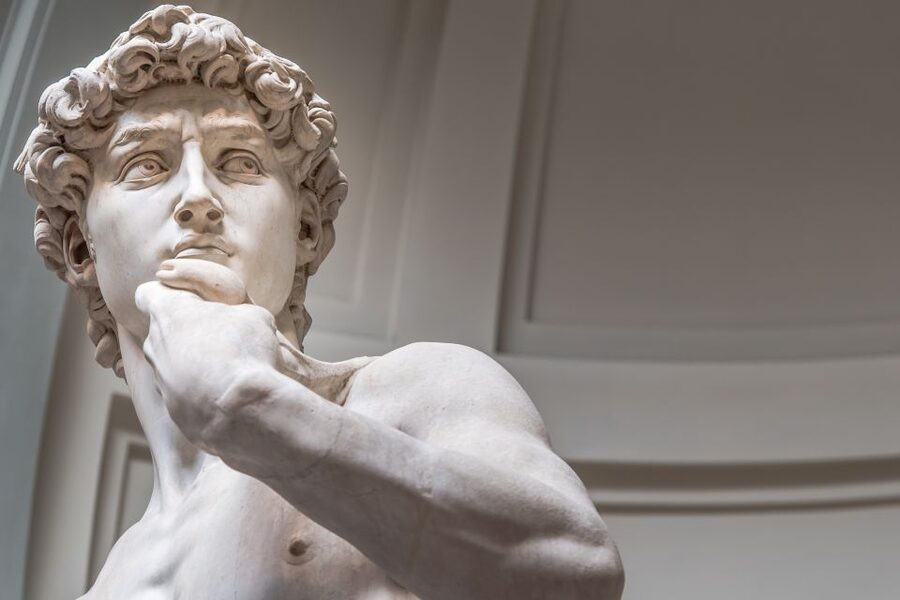
After Ponte Vecchio, the route reaches Pitti Palace. Once the private residence of the grand dukes, the palace gives you a look at the scale and status of Florence’s ruling household.
The tour does not include a stated interior visit to Pitti Palace. You admire its exterior and hear about its role, then continue into the Oltrarno, the area on the far side of the Arno River.
This is a useful change of mood. The central streets can feel formal and monumental, while the Oltrarno is presented as a more bohemian part of Florence, with artists, workshops, and cafes. The route gives you a quick sense of how different parts of the city connect, without pretending that a short walking tour can explore the whole neighborhood.
If you enjoy local craft shops and cafe streets, you may wish to return to the Oltrarno later. The tour passes through it, but the schedule does not leave room for browsing or sitting down.
The best Ponte Vecchio photo from Ponte Santa Trinita
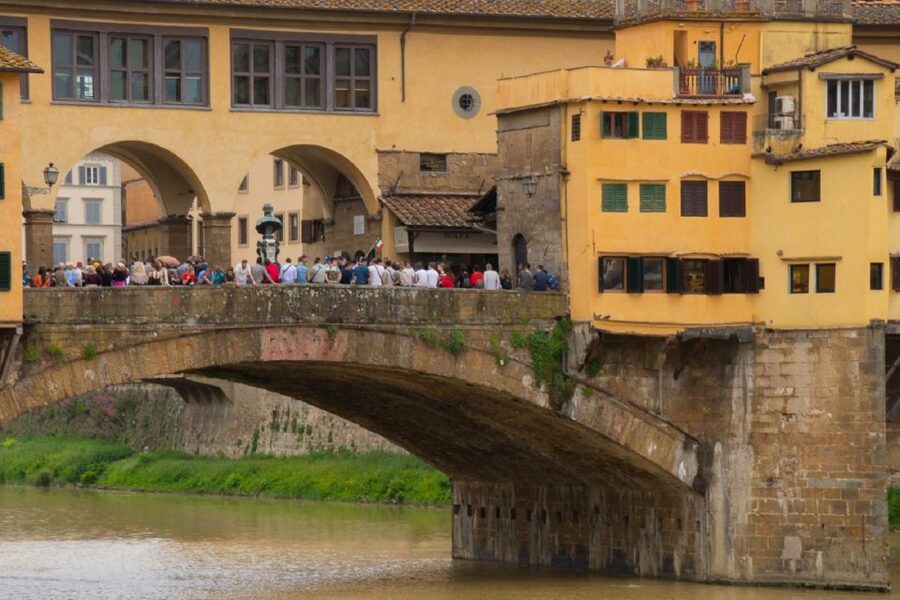
You cross Ponte Santa Trinita and stop for a view back toward Ponte Vecchio. This is one of the smartest photo moments in the itinerary.
From the neighboring bridge, you can see the full shape of Ponte Vecchio rather than only its shopfronts. The stop also gives you a brief pause after the walking stretch through the Oltrarno.
The guide’s commentary adds context to what you are seeing, but this is still a good place to enjoy the view without turning it into a lecture. Keep your photo time short, since the group must stay on schedule for the Duomo and Accademia.
Via Tornabuoni and Palazzo Strozzi
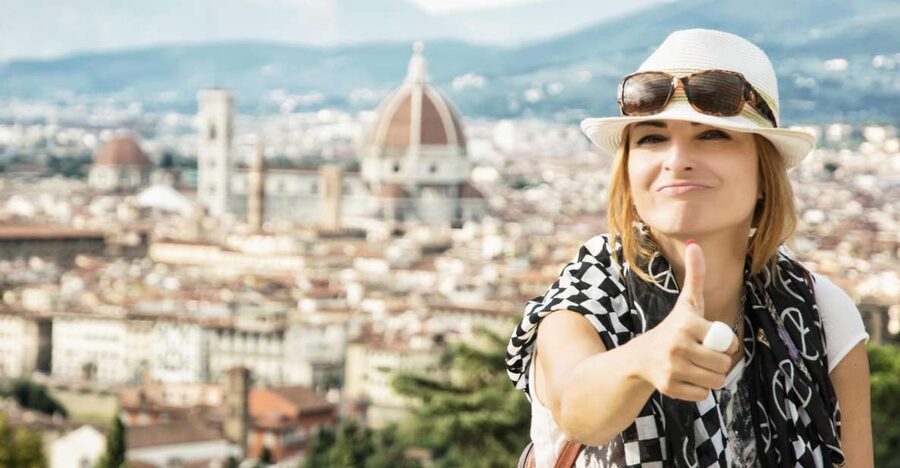
The route returns toward the central districts along Via Tornabuoni, Florence’s designer shopping street. The appeal here is less about shopping and more about architecture, polished storefronts, and the contrast between modern fashion and Renaissance surroundings.
You then pass through the courtyard of Palazzo Strozzi. This is a strong architectural stop because the courtyard shows the clean proportions and orderly design associated with Renaissance buildings.
The tour’s route is at its best when it connects ordinary city movement to major ideas. You are not only ticking off a shopping street and a palace. You are seeing how Florence’s older architecture remains part of daily life, with fashion windows and cafes operating beside buildings tied to powerful families.
Again, this is an exterior-focused visit. Palazzo Strozzi’s courtyard is included in the walk, but an exhibition ticket or extended museum visit is not part of the stated package.
The Duomo, Brunelleschi’s dome, and the Baptistery

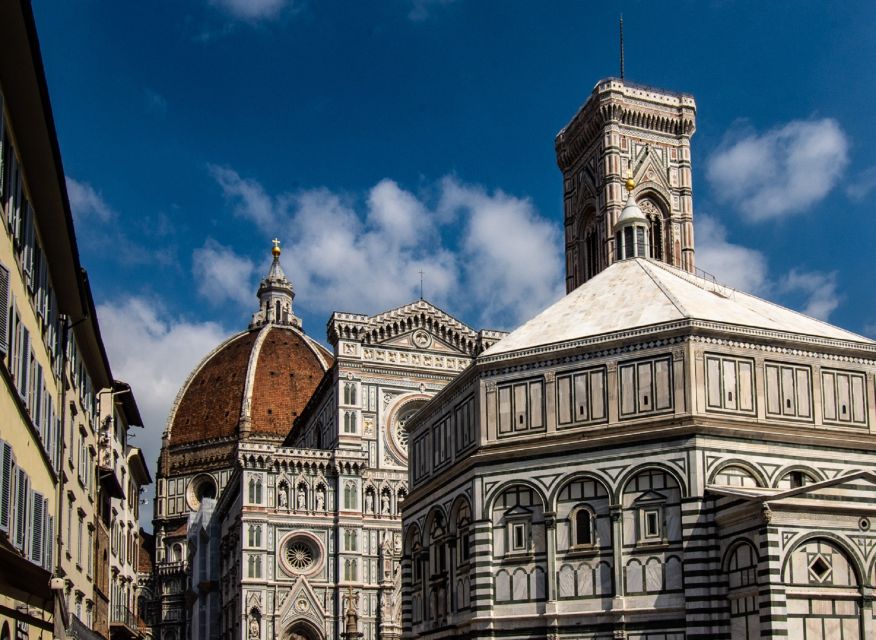
The next major section brings you to Florence’s cathedral complex. You see the Cathedral, Brunelleschi’s Dome, and the Baptistery, three of the city’s most important sights gathered in one area.
The guide explains the buildings as a group, which is useful because the scale and decoration can be hard to take in all at once. The dome is the visual focus, while the Baptistery gives the square another landmark with its own place in Florence’s religious and artistic story.
If the line is not too long, the group may also go inside the Cathedral. That condition matters. This is not a guaranteed interior visit, and the Cathedral is not accessible on Sunday morning. If seeing the inside is important to you, check the day and start time before booking.
The Duomo area is often crowded, and the walking surface can be uneven or slow because of the number of people around it. Comfortable shoes are not a minor suggestion here. You will be on your feet for most of the tour, and the cathedral stop comes before the final museum visit.
Entering the Accademia to see David
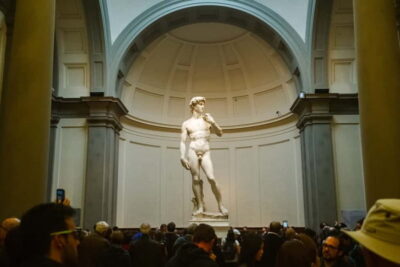
The tour finishes at the Accademia Gallery, where your ticket includes preferential entrance. The main reason to book this experience is simple: you see Michelangelo’s original David rather than settling for a copy in another Florence square.
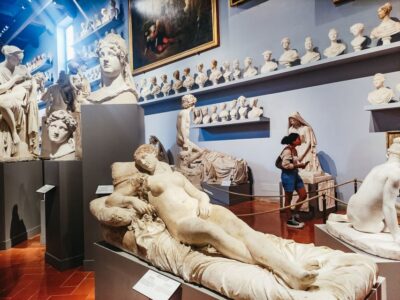
David deserves time. The statue is famous, but the guide’s role can make the visit more useful by pointing out details in the marble and explaining Michelangelo’s life and working methods. The unfinished Prisoners add another layer, since their partially carved forms let you think about the sculptor’s process rather than only the finished result.
The museum can be crowded. Jessica has been praised for making the Accademia visit meaningful even when the galleries were busy, which is the kind of guide skill that matters here. You may not get a quiet, empty room around David, but a clear explanation can help you focus on the art instead of the crowd.
The phrase preferential entrance should not be read as an absolute guarantee. On the first Sunday of each month, admission is free, but tickets cannot be reserved ahead of time, so entry is not guaranteed. If the queue is long, there may be no priority entrance. That is the main practical risk in a tour whose final highlight depends on museum access.
How the price works for you
The $117 price makes the most sense if you value structure and explanation. You receive a licensed guide, a route through many of Florence’s major sights, and Accademia admission. Buying only a museum ticket would cost less, but it would not give you the connected walk from Roman Florence to Medici Florence, the Oltrarno, the Duomo, and David.
The value drops if you already know the city well or prefer to set your own pace. This is a scheduled group walk, so you cannot spend twenty minutes at each square or stop for a coffee whenever you like. The tour also does not include meals, drinks, or full interior access to every palace and church along the way.
For a first visit, I see the price as reasonable if the Accademia ticket is important and you want help making sense of Florence quickly. It is less compelling for someone mainly interested in David and little else. In that case, a direct museum visit may suit you better, provided you arrange entry and guide yourself through the collection.
Who should book this Florence walk?
This tour suits you if you have limited time and want a strong first look at Florence. It is especially useful for people who prefer stories and context over moving from sight to sight with only a map.
It also works well for art-minded visitors who want David included in a wider city route. The guide can explain why the statue matters after you have seen the civic spaces and powerful families that shaped Florence.
You should think twice if you dislike walking, want a slow museum visit, or need guaranteed access inside the Cathedral. The itinerary covers a lot in three hours, and crowded streets can make it feel brisk.
Families can join, but each child needs a passport or ID card, and comfortable shoes remain essential. Wheelchair access is listed, though the route’s length and busy streets are still worth considering when planning your day.
Should you book it?
Book this tour if you want one organized introduction to Florence with David as the payoff. The route covers the city’s main visual landmarks, adds useful Medici and Renaissance context, and includes a guide who can make a crowded Accademia visit worthwhile.
Skip it if you prefer independent wandering or want guaranteed, unhurried time inside every building. Before booking, check the day carefully, avoid the first Sunday if you need dependable Accademia entry, and remember that Sunday morning does not work for the Cathedral interior. For most first-time visitors with only a few hours, the mix of city walking and Michelangelo is the strongest reason to go.
FAQ
How long does the Florence and Accademia tour last?
The tour lasts approximately 2.5 to 3 hours and is conducted on foot.
Where is the meeting point?
Meet in Piazza della Repubblica by the central column with the statue of a lady on top.
Is Michelangelo’s original David included?
Yes. The tour includes a preferential entrance ticket to the Accademia, where you see the original David and the unfinished Prisoners.
Is entry inside Florence Cathedral guaranteed?
No. The group may enter if the line is not too long. The Cathedral is not accessible on Sunday morning.
What languages are available?
Live guides and audio guides are listed in English, French, German, Italian, and Spanish.
Can I bring luggage or a large bag?
No. Luggage and large bags are not allowed. Bring comfortable shoes and a passport or ID card, including one for children.
Recently added around Florence
- Accademia and Uffizi Small-group Guided Tour★ 4.5 · 8 reviews
- The David from Michelangelo.★ 5.0 · 3 reviews
- Combo: Accademia + walking + Uffizi Galleries Guided Tour★ 3.5 · 6 reviews
- The Complete Wine Tour Brunello, Nobile, Chianti wine experience★ 4.0 · 7 reviews
- The Best of Tuscany in 3 Days★ 4.5 · 13 reviews
- The Cooking Lab – Authentic Food Experience★ 5.0 · 113 reviews
- Florence Central Market Food Tour – Private Tour★ 4.0 · 7 reviews
- MaMa Florence: The Art of Corzetti – Hands-On Pasta Class★ 5.0 · 15 reviews
Accademia Gallery and David Tours, compared.
Timed Entrance Ticket to Michelangelo’s David
Read our review →
Michelangelo’s David Skip-the-Line Entry Ticket
Read our review →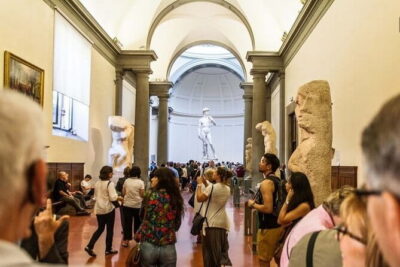
Florence Accademia Gallery Tour with Entrance Ticket Included
Read our review →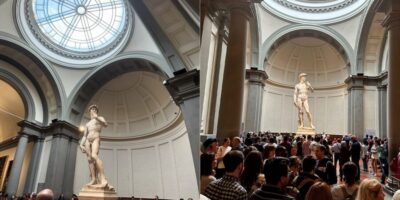
Timed Entry Ticket to Michelangelo’s David & eBook
Read our review →
Skip the line: Uffizi and Accademia Small Group Walking Tour
Read our review →
Accademia Gallery Guided Tour with Entry Ticket
Read our review →Browse the lists this tour appears in