
Reviewed · UFFIZI GALLERY TOURS
Museums special: Accademia & Uffizi combo tour – monolingual small group tour
Michelangelo’s David and Botticelli’s Birth of Venus are the stars here, but the real value is seeing how Florence’s art developed from gold-ground medieval panels to the human-centered Renaissance. In about four hours, you visit the Accademia and Uffizi, with reserved museum entry and a short city walk between them.
I like the small maximum of 15 people, which makes it easier to hear the guide than on a large bus tour. I also like ending at the Uffizi, where you may remain inside after the guided portion and continue at your own pace. The main caution is timing: midday crowds can still mean waiting at security and museum entrances, even with reservations.
Key points to know before booking
- Two major museums in one morning or afternoon: The route covers Accademia and Uffizi in roughly four hours.
- Michelangelo gets proper attention: You see the unfinished Prisoners before reaching the towering David.
- The Uffizi route follows art through time: Expect Giotto, Botticelli, Leonardo, Michelangelo, Lippi, Uccello, and Piero della Francesca.
- A short Florence walk is included: You pass important plazas and get views of the Duomo between museum visits.
- The tour ends inside the Uffizi: You can stay after the guide leaves, a useful option for art lovers.
- Crowds affect the schedule: Reserved entry helps, but security and capacity controls can still slow you down.
Why this Florence art combination works
Florence can feel like one enormous museum. The Accademia and Uffizi are only a short distance apart on a map, yet each rewards a different kind of visit.
The Accademia is compact and focused. Most people come for David, but the unfinished sculptures in the Hall of Prisoners give you a better sense of Michelangelo’s working method. The Uffizi is much larger and more demanding. Its long galleries connect several centuries of painting, so a guide can help you understand why one picture matters before you move to the next.
This tour gives you a useful first framework. You will not see every important work in either museum, and you should not expect to. The time is designed around major highlights, with the Uffizi portion concentrating on famous Renaissance paintings rather than every room.
The price is $130.97 per person. That is not a budget museum visit, but it includes admission and reservations for both galleries, a professional guide, the walking portion, and earphones for larger groups. If you planned to visit both museums independently, you would still need to manage timed entry, directions, security, and the question of what to see first. The tour is most worthwhile if that planning sounds like work or if Renaissance art is unfamiliar to you.
More ways to see the David at the Accademia:
- Florence: Timed Entrance Ticket to Michelangelo’s David
★ 4.6 · 16,983 reviews - Florence: Michelangelo’s David Skip-the-Line Entry Ticket
★ 4.5 · 12,764 reviews - Florence Accademia Gallery Tour with Entrance Ticket Included
★ 4.5 · 6,148 reviews
Meeting near Via Cavour and walking to Accademia
You meet at Via Camillo Cavour, 18, in central Florence. The supplied directions also refer to Via Cavour 36 Red, so check the exact meeting details on your confirmation and allow extra time to find the office. The location is near public transportation, but Florence’s central streets can still be confusing when you are trying to arrive at a precise address.
From the meeting point, the group walks about five minutes to the Accademia Gallery. That short walk is simple, but it means you should arrive ready to move rather than treating the meeting point as the museum entrance.
Comfortable shoes are a smart choice. The tour includes city walking, standing in galleries, security procedures, and several hours on your feet. Food and drinks are not included, so eat beforehand or plan a break after the Uffizi visit.
Accademia’s Hall of Prisoners and the unfinished figures
The Accademia visit begins with Michelangelo’s Hall of Prisoners. These large figures appear to struggle out of the marble, and the unfinished surfaces are not a minor detail. They are the reason this room feels different from a standard sculpture gallery.
The guide explains non-finito, the idea of work left incomplete. You can see where Michelangelo shaped the stone and where the bodies remain partly trapped in it. This makes the room a good introduction to the artist before you reach his most famous finished sculpture.
The guided portion here lasts about 35 minutes. That is enough time to understand the main works, though not enough to examine every gallery slowly. The Accademia is a small museum, and admission can still be delayed when the building reaches its visitor limit. Reserved entry reduces the usual ticket problem, but it does not guarantee an instant walk inside.
Meeting David at the Accademia

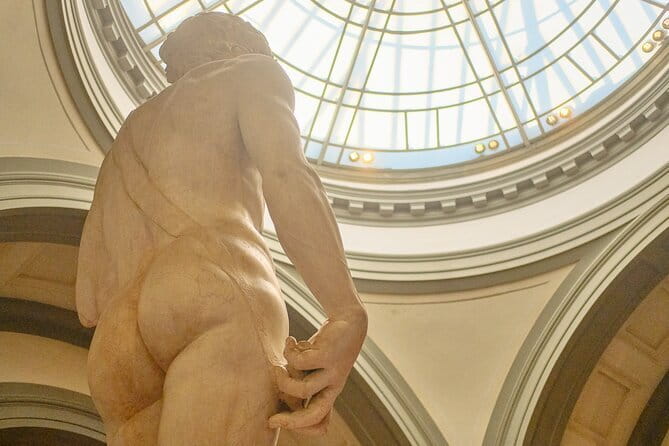
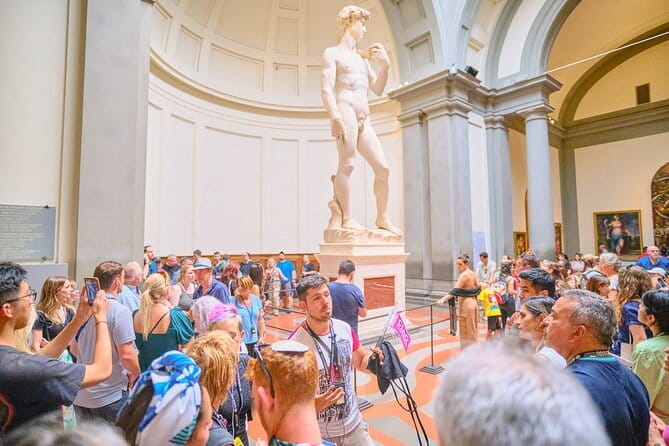
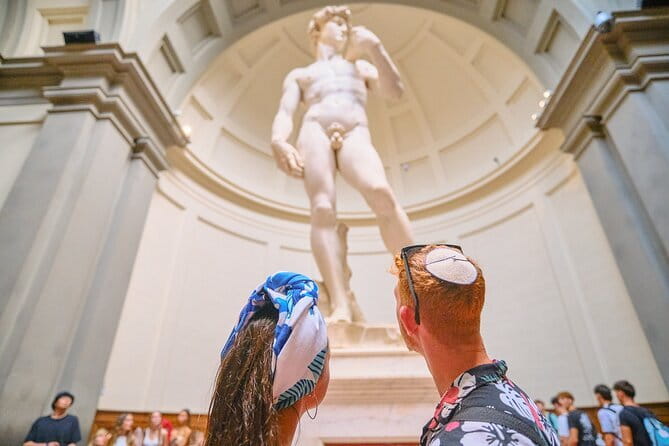
At the end of the Hall of Prisoners, David appears as the grand finish. The sculpture is about 17 feet tall and weighs more than 12,000 pounds. Its scale changes the experience: photographs flatten it, while standing beneath it makes the proportions and detail easier to grasp.
The guide places the sculpture in context, including Michelangelo’s age when he completed it. He was 26, a detail that helps explain why the work became such a powerful symbol of Florentine confidence and artistic ambition.
You then see other Accademia works, including Giambologna’s Rape of the Sabines, along with paintings by Sandro Botticelli, Jacopo di Cione, and Pacino di Buonaguida. This section matters because it keeps the visit from becoming a single-object pilgrimage. You get a quick look at the wider collection and leave with a better sense of what the Accademia holds beyond David.
Still, be realistic about the pace. The Accademia portion is a highlights visit, not a slow museum study. If you already know the collection well, you may want additional time on your own, if the schedule and museum rules allow it.
More ways into the Uffizi:
- Florence: Skip-The-Line Uffizi Gallery Timed Entry Ticket
★ 4.5 · 27,832 reviews - Florence: Uffizi Priority Ticket & Masterpieces Audio App
★ 4.2 · 6,402 reviews - Florence: Skip-the-Line Uffizi Small Group Tour
★ 4.6 · 5,926 reviews - Uffizi Gallery Small Group Tour with Guide
★ 4.5 · 4,923 reviews
The walk toward the Uffizi and the Duomo views
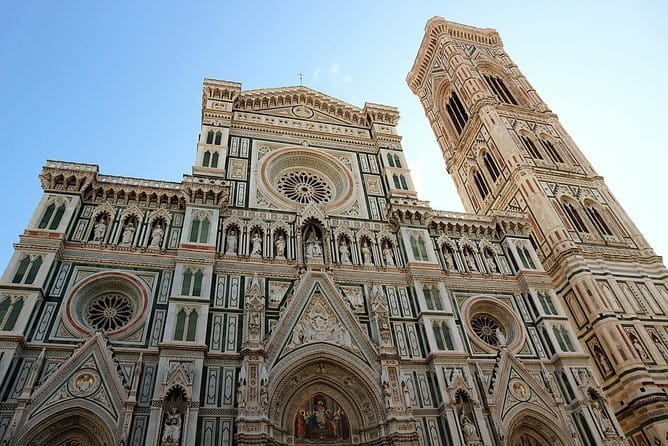
The experience includes a short walking tour of central Florence before the Uffizi visit. You see important plazas and views of the Duomo, giving you a little city context between the two indoor stops.
This is useful for a first visit because it connects the art to the streets where Florence’s civic and religious power developed. It also breaks up the museum time. On the other hand, the walk adds some standing and movement to an already full schedule, and bad weather can make it less pleasant.
One practical point deserves attention. A supplied account describes difficulty when rain made the walk uncomfortable and says the company was not able to change the meeting arrangement. The safest approach is to treat the walking portion as a fixed part of the tour, check the forecast, and bring suitable clothing. Do not assume you can simply meet the group at the second museum.
The Uffizi begins with medieval gold and Giotto
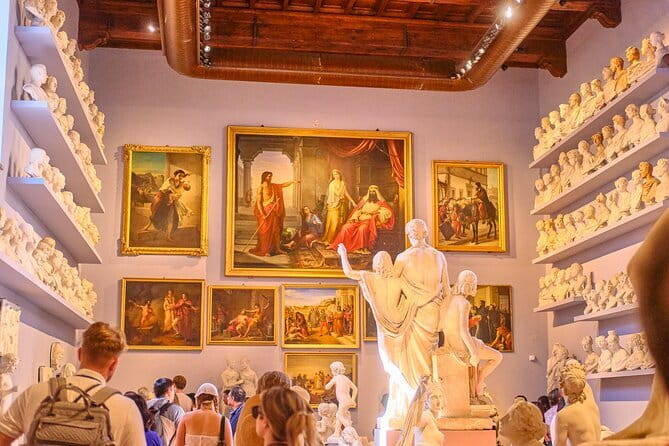
The Uffizi section follows a chronological route, generally moving from the 13th century toward the 18th century. The early rooms show Gothic paintings with gold backgrounds and devotional images of the Madonna and Child.
This opening is more important than it may sound. You see the visual language that came before the Renaissance, then watch artists begin to suggest weight, depth, and human presence. Giotto receives special attention because his three-dimensional approach helped shift painting away from flat symbolic figures.
The guided Uffizi visit is described as about 90 minutes, though the actual time inside the galleries can be shorter once you account for walking from the meeting area, ticket processing, security, and crowd delays. That distinction matters. A 90-minute museum segment is not the same as 90 uninterrupted minutes in front of paintings.
The Uffizi is a large museum with nearly 2,000 works on display. A guide has to make choices, and this tour focuses on landmark works rather than trying to cover every room.
Botticelli, Leonardo, and Michelangelo in the Uffizi
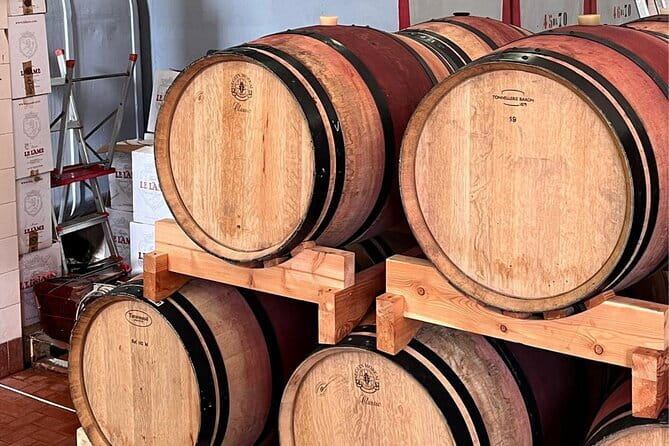
The main event for many people is Botticelli’s group of paintings. You see The Birth of Venus and Primavera, two works filled with allegory, movement, and mysterious natural imagery.
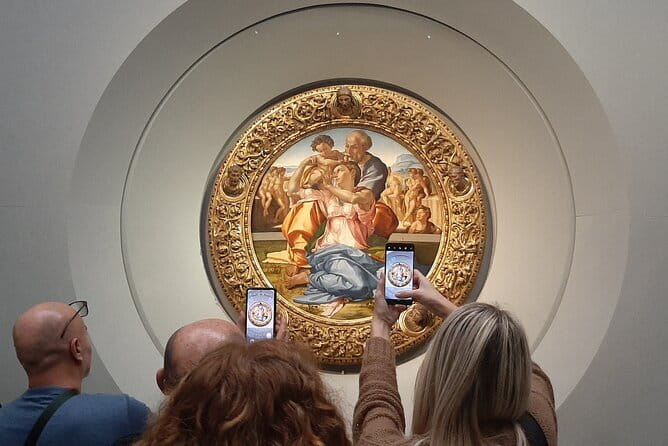
The guide explains the figures and themes so you are not left admiring the surface without understanding the story. You also see works connected with Leonardo da Vinci, including The Baptism of Christ and The Annunciation, as well as Michelangelo’s Tondo Doni.
These are not necessarily the artists’ most famous works. That is part of their value. You get to look closely at paintings by three major names and compare their approaches, even when the Uffizi pieces are less familiar than David or the Sistine Chapel ceiling.
The route also passes ancient Roman and Greek sculptures, frescoed ceilings, and windows with views over Florence. These details help keep the Uffizi from feeling like a series of flat images in white rooms. Look up occasionally. The building itself is part of the visit.
International Gothic art and the road to perspective
The tour continues through International Gothic works, including Gentile da Fabriano’s Adoration of the Magi. Here the guide explains how paintings began to tell more elaborate stories instead of simply presenting sacred characters.
The next step is the 15th century and the growing interest in three-dimensional space. Paolo Uccello’s Battle of San Romano offers a clear example of artists experimenting with perspective, geometry, and the arrangement of figures across a scene.
You also see Filippo Lippi’s Madonna with Child and Two Angels and Piero della Francesca’s portraits of the Dukes of Urbino. These works show changing ideas about idealized faces, personality, and the presentation of powerful people.
This sequence is one of the strongest parts of the tour. Rather than treating the Uffizi as a parade of famous names, it gives you a simple visual story: flatness gives way to depth, symbolic figures become more human, and artists develop new ways to suggest space and emotion.
What the guides and group size mean in practice
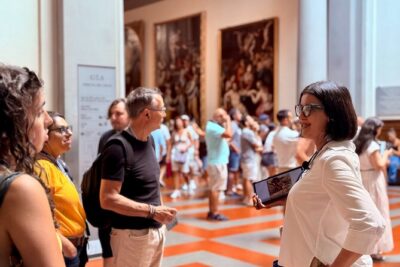
The tour is conducted in English for a maximum of 15 people. Earphones are provided for bigger groups, which helps in crowded rooms where a guide’s voice can disappear under the general museum noise.
The format appears to use guide-led sections for the two museums, and the quality can vary by individual guide. The Accademia guide was especially praised for giving enough information without overwhelming the group. Another account described both guides as personable and well prepared. At the Uffizi, the guide was considered good, but the route felt too limited for someone hoping to see the entire first floor, including artists such as Rembrandt and Caravaggio.
That is a fair warning. Ask yourself what you want from the visit. If you want an introduction to the major Renaissance works, the tour fits. If you want a full survey of the Uffizi, including later European painting and less famous rooms, plan to stay afterward or book a longer private visit.
Timing, crowds, and reserved entry
The tour is booked an average of 33 days ahead, which signals that you should not wait until the last minute during a busy Florence visit. Confirmation arrives at booking, and each person must present a passport or valid ID matching the full name supplied at booking for Uffizi entry.
You should also expect some waiting, especially at midday. Reserved tickets let the group use the booked entry process, but they do not erase security lines, crowd controls, or the Accademia’s capacity limits. One practical tip is to avoid the middle of the day if you have a choice. A crowded museum can turn a short guided visit into a stop-and-start experience.
The order of the museums may change. That is not necessarily a problem, but it means you should not plan a tightly timed lunch or train departure around the advertised sequence. Allow room after the tour.
Remaining inside the Uffizi after the tour
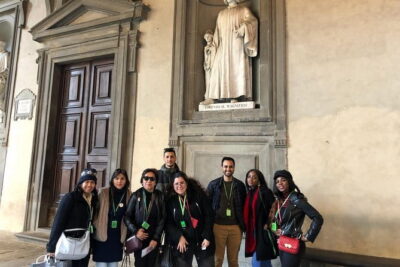
The tour ends at the Uffizi Galleries, Piazza degli Uffizi 6. You may remain inside after the guided visit finishes, which is one of the most useful features for an art-minded person.
Use that extra time to revisit Botticelli, look for rooms skipped during the highlights route, or simply move at a slower pace. You should not assume the guide can extend the group visit or take you to every department. The benefit is that you already have the basic orientation and can continue independently.
This option also makes the $130.97 price easier to assess. You are paying for instruction and access, not just a fast escorted entry. The value improves if you actually stay and use the Uffizi time well.
Who should book this four-hour Florence tour
I would recommend it to a first-time Florence visitor who wants the two essential art museums without building a separate plan. It also suits anyone who likes hearing the story behind a painting instead of reading labels while trying to keep track of a map.
The tour is a good match for:
- First-time visitors with limited time in Florence
- People interested in Michelangelo and Botticelli
- Small groups that prefer an English-language guide
- Visitors who want reserved museum entry
- Anyone happy to remain at the Uffizi and continue alone
I would be more cautious if you want an exhaustive Uffizi visit, dislike guided pacing, or need a completely weather-proof schedule. The route is busy, the museums can be crowded, and the walking connection is part of the plan.
Should you book the Accademia and Uffizi combo?
Book this tour if you want a well-organized introduction to Florence’s major Renaissance sights and appreciate having the art explained in a clear order. The Accademia segment is especially effective around the Prisoners and David, while the Uffizi offers a useful progression from medieval painting through Botticelli, Leonardo, Michelangelo, and early experiments with perspective.
Skip it if you already know both museums well or want to spend hours with Rembrandt, Caravaggio, and the less famous rooms of the Uffizi. For most first-time visitors, the combination saves planning time and provides a strong foundation, but you should choose an early or less crowded departure when possible and leave extra time for delays.
FAQ
How long does the tour last?
The experience lasts approximately four hours, including the museum visits and the short walking tour through central Florence.
Are Accademia and Uffizi tickets included?
Yes. The tour includes admission and reservations for both the Accademia Gallery and the Uffizi Gallery.
Is the tour conducted in English?
Yes. It is offered as a monolingual English-language small group tour.
How many people can join the group?
The group has a maximum of 15 participants. Earphones are provided for bigger groups.
Can I stay inside the Uffizi after the guided tour?
Yes. You may remain inside the Uffizi after the guided portion ends and continue exploring independently.
What identification do I need for the Uffizi?
Each person must present a valid passport or ID document matching the name provided at booking. Full names for all participants must be supplied, or entry may be denied.
More museums and galleries in Florence
- Florence: Leonardo Interactive Museum Entry Ticket
★ 4.5 · 11,763 reviews - Florence: Accademia Gallery Guided Tour
★ 4.6 · 4,156 reviews - Florence: Accademia Gallery Guided Tour with Entry Ticket
★ 4.6 · 2,253 reviews - Golf Cart Tour to Fiesole Roman Theatre and Museum
★ 4.5 · 2,039 reviews
Recently added around Florence
- Accademia and Uffizi Small-group Guided Tour★ 4.5 · 8 reviews
- The David from Michelangelo.★ 5.0 · 3 reviews
- Combo: Accademia + walking + Uffizi Galleries Guided Tour★ 3.5 · 6 reviews
- The Complete Wine Tour Brunello, Nobile, Chianti wine experience★ 4.0 · 7 reviews
- The Best of Tuscany in 3 Days★ 4.5 · 13 reviews
- The Cooking Lab – Authentic Food Experience★ 5.0 · 113 reviews
- Florence Central Market Food Tour – Private Tour★ 4.0 · 7 reviews
- Family Friendly Florence Private City Tour★ 5.0 · 47 reviews
Uffizi Gallery Tours, compared.
Skip-The-Line Uffizi Gallery Timed Entry Ticket
Read our review →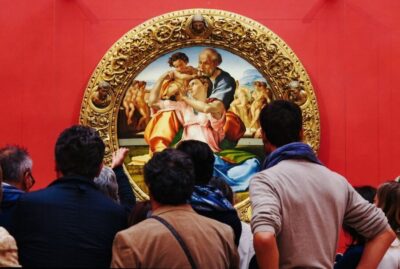
Uffizi Priority Ticket & Masterpieces Audio App
Read our review →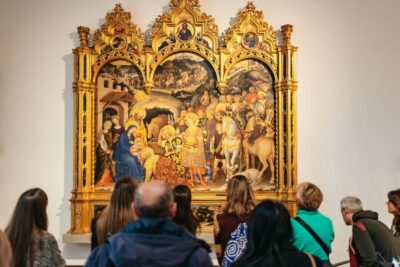
Skip the line: Uffizi and Accademia Small Group Walking Tour
Read our review →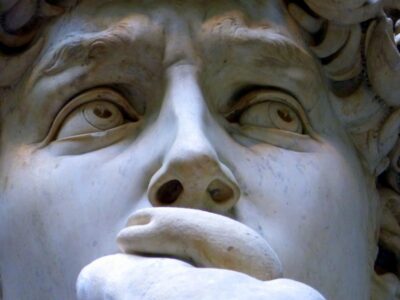
Uffizi Gallery and Accademia Gallery Guided Tour
Read our review →
Uffizi Gallery Small-Group Guided Tour with Ticket
Read our review →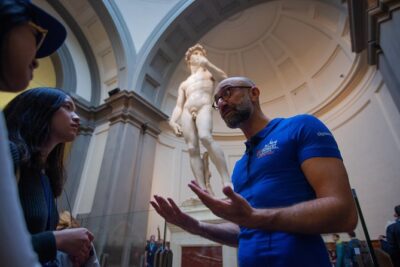
Michelangelo’s David, Accademia & Uffizi Small Group Tour
Read our review →Browse the lists this tour appears in