
Reviewed · FLORENCE WALKING TOURS
Florence Walking Tour
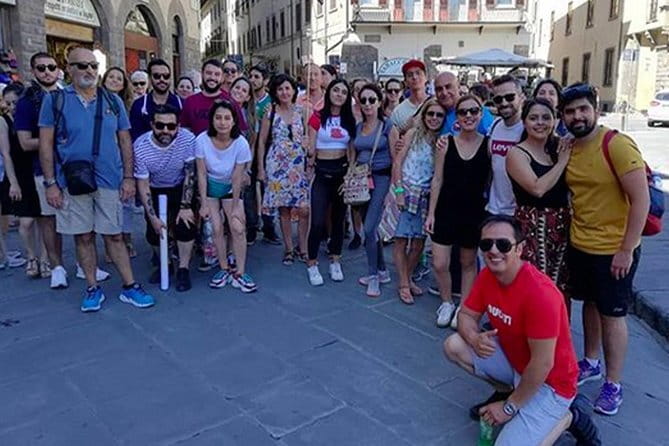
Florence gives you a lot to absorb in a small area, and this 2.5-hour walking tour is built to make the city readable fast. Starting near Piazza dell’Unità Italiana, you’ll walk through the historic center to the Duomo, Ponte Vecchio, Santa Croce, and other major sights while a guide explains what you are seeing.
I like the tiny maximum group of four, which should make it easier to hear, ask questions, and keep a sensible pace. I also like the low upfront cost, just $3.63 per person, with a voluntary tip at the end. Guides such as Armando, Alessandro, Gino, Simone, and Barbara are praised for mixing history with practical advice about food, opening hours, restrooms, and places worth returning to.
The main caution is that the tour is an outdoor orientation, not a museum visit. You will see the Uffizi from outside, for example, and the free admission means you should plan separate tickets if you want to enter major attractions. One other small concern: a few people found the guide’s microphone or accent difficult to follow.
Key points to know before booking
- A fast introduction to Florence: Cover Medici landmarks, the Duomo, market streets, medieval churches, famous squares, and the Arno in one route.
- A voluntary-tip format: Pay $3.63 when booking, then decide what to tip your guide at the end.
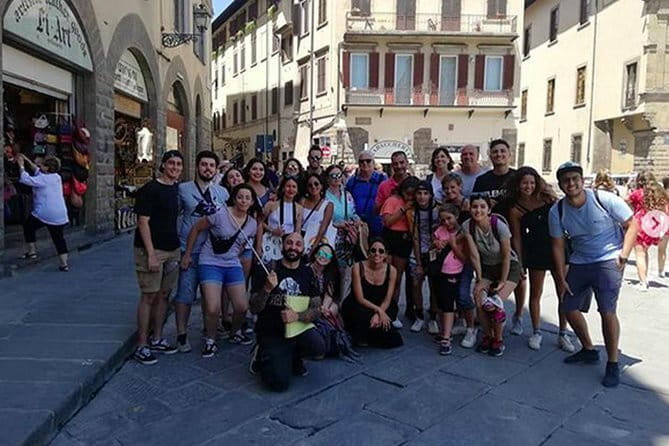
- A group capped at four: This is unusually small for a city walking tour and should allow more personal questions.
- Best taken early in your stay: Use the route to decide which museums, churches, food spots, and neighborhoods deserve more of your time.
- Outdoor sightseeing only: The itinerary lists famous buildings and museums, but no admission fees or interior visits are included.
- English-language guiding: Confirmation arrives at booking, and the activity is offered in English with a mobile ticket.
Florence in two and a half hours
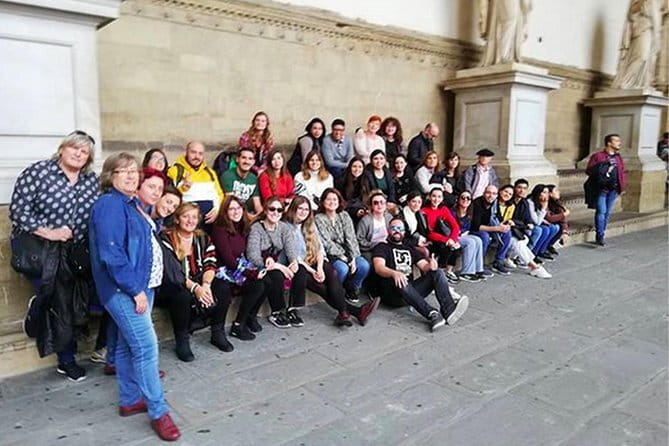
This is a classic orientation walk, but the small group changes the feel. You are not being pushed through a large crowd behind a raised flag. With a maximum of four people, you can stop to ask why a building matters, where to eat nearby, or how to plan the rest of your day.
The route is packed. You will see the Medici Chapel, San Lorenzo Market, Medici Riccardi Palace, San Lorenzo Church, the Duomo, the Baptistery, Piazza della Repubblica, Orsanmichele Church, the Porcellino, Piazza della Signoria, the outside of the Uffizi, Ponte Vecchio, and Piazza Santa Croce.
That list tells you what this tour does best. It gives you the city’s main visual landmarks and the basic story connecting them. It does not give you time to study a single painting, climb the cathedral dome, or linger inside a church. Think of it as a walking map with a human voice, not a substitute for Florence’s major museums.
I would book it near the start of your visit. Several guides use the walk to point out restaurant ideas, sandwich shops, gelato stops, public restrooms, shopping areas, and places worth revisiting. That information can save you time later, especially when Florence’s center starts to feel like a maze of beautiful streets.
More walking tours in Florence:
- Florence: Guided Walking Tour
★ 4.5 · 3,334 reviews - Skip the line: Uffizi and Accademia Small Group Walking Tour
★ 4.5 · 3,135 reviews - Florence: Guided Walking Tour
★ 4.6 · 1,602 reviews
From San Lorenzo to the Medici heart of Florence
The meeting point is Piazza dell’Unità Italiana, in the area near Florence’s main train station. From there, the route heads toward San Lorenzo, one of the city’s most useful starting points for understanding the Medici family and Florence’s commercial life.
At the Medici Chapel, you get a first taste of the family that shaped Florence’s politics, banking, art, and architecture. The chapel is an important paid attraction in its own right, but this walking experience does not include an admission ticket. Your guide can give you the setting and explain why the Medici name appears so often in Florence, while you save the interior visit for another time.
Nearby, San Lorenzo Market adds a more everyday note. The market area helps show that Florence is not only grand churches and Renaissance palaces. It is also a working part of the center, with shopping and food close to major sights. If you are hoping to eat or browse later, pay attention to the guide’s suggestions, but remember that the walk itself is not described as a food tour.
The route also passes Medici Riccardi Palace and San Lorenzo Church. These stops help connect private power, religious life, and public architecture. You will get context from outside, but you should not assume a church or palace entrance is included simply because the building appears in the route.
The Duomo and Baptistery: Florence’s great visual lesson
The Duomo is the point where Florence’s scale and ambition become hard to miss. Even if you have seen photographs, standing in front of the cathedral complex gives you a much better sense of how the cathedral, dome, bell tower, and Baptistery work together as one urban group.
The Baptistery adds another layer. Its position opposite the cathedral makes the square easy to understand, and the guide can explain the relationship between these buildings as you move around them. This is one of the strongest parts of an orientation tour because the crowded square can be confusing if you arrive without context.
Plan your time carefully here. The walk includes the cathedral and Baptistery as sights, but the supplied details do not include interior admission. If you want to visit the Duomo complex, you will need to arrange that separately and allow much more time than the brief stop on a walking route.
I especially like seeing this area with a guide before deciding what to book. Florence has several major attractions competing for your time. A clear outside explanation helps you choose between a museum visit, a church interior, a dome experience, or simply more time on the streets.
Medieval lanes, market streets, and public squares

From the Duomo, the tour continues through central Florence toward Piazza della Repubblica and Orsanmichele Church. These stops shift the focus from Medici power to the city’s public life and medieval street pattern.
Piazza della Repubblica is broad and open, a noticeable change from the narrow lanes around the cathedral. It is a useful place to understand Florence’s changing city center. Orsanmichele, by contrast, is a compact church with a different feel, set within the tight grain of the old city.
The walk then reaches the Porcellino, the famous boar statue. This is a small but memorable stop, and it gives the route a bit of local folklore alongside its architecture and politics. The city’s most rewarding walks often include such details. You remember a landmark more easily when it is tied to a story or a simple local custom.
Your guide may also point out practical places to eat and shop. Armando is repeatedly singled out for being funny, patient, and generous with suggestions. Alessandro is praised for food recommendations, including a sandwich shop and gelato stop that became highlights of one longer Italy trip. Those tips are useful, but treat them as personal recommendations, not guarantees that every place will suit your taste or be open when you visit.
A completely different way to spend an afternoon in Florence:
- Florence: Skip-The-Line Uffizi Gallery Timed Entry Ticket
★ 4.5 · 27,832 reviews - Tuscany Day Trip from Florence: Siena, San Gimignano, Pisa and Lunch at a Winery
★ 5.0 · 21,634 reviews - Florence: Timed Entrance Ticket to Michelangelo’s David
★ 4.6 · 16,983 reviews - Florence: Michelangelo’s David Skip-the-Line Entry Ticket
★ 4.5 · 12,764 reviews
Signoria Square and the Uffizi from the outside
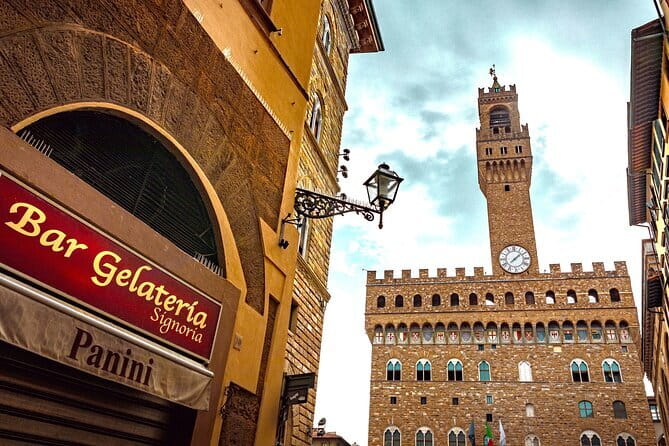
Piazza della Signoria is one of the most rewarding outdoor stops on the route. It is a public square filled with political history, sculpture, and dramatic buildings. You can take in the setting without paying an entrance fee, though the tour does not replace a proper visit to the nearby galleries or palaces.
The Uffizi is specifically listed as an external stop. That distinction matters. You will get a look at the building and its place in Florence’s civic center, but you should not expect to see Botticelli, Michelangelo, or other works inside the museum during this walk.
This is where the tour can help you plan the rest of your trip. A guide can show you where the Uffizi fits into the city and explain why you may want to return with a timed entry. If art is your priority, reserve a separate visit. If you mainly want the street-level story of Florence, the outside stop may be enough for the moment.
Ponte Vecchio and the route toward Santa Croce
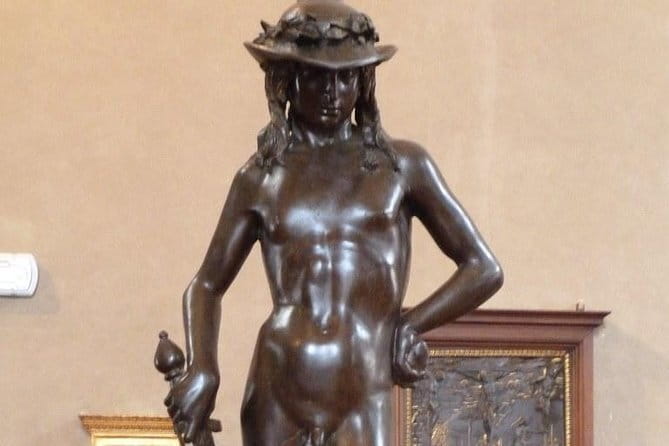
Ponte Vecchio is the route’s natural transition to the Arno. The bridge is one of Florence’s most recognizable sights, but its importance is easier to grasp when you approach it as part of the city’s old network of streets and river crossings.
Expect people, narrow walking space, and plenty of photo stops. The bridge can be busy, so a small group is useful. You can stay close to the guide without trying to keep track of a large crowd.
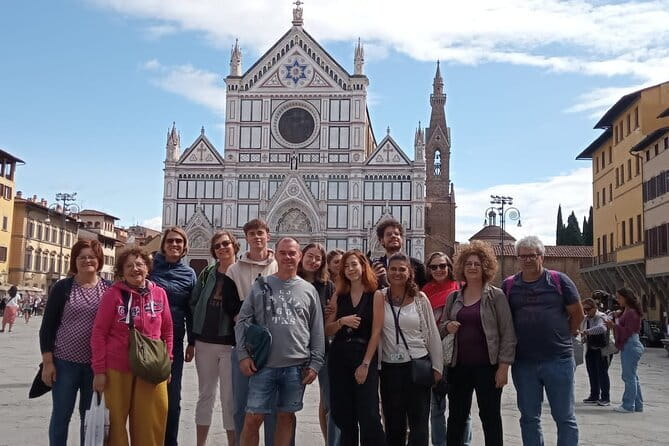
The walk finishes around Piazza Santa Croce, a fitting ending because the square offers another major view of Florence’s religious and civic identity. Santa Croce Church is a significant sight, but again, the experience is described as a walking tour with free admission. Arrange a separate entry if you want to go inside.
The activity ends at a different location from the starting point. The supplied information does not give a precise end address, so check the final meeting details before setting up a restaurant booking or train connection immediately afterward.
Guides who add useful local detail
The guide can make or break a walking tour, and the strongest pattern here is clear: the best guides combine facts with personal advice. Armando is especially often praised for humor, patience, clear explanations, and practical help. He has pointed out restaurants, opening and closing times, public restrooms, and ways to get around.
Alessandro brings long-term local familiarity and has been praised for lively storytelling and food suggestions. Gino is described as friendly, passionate about Florence, and generous with both historical detail and restaurant advice. Simone, Barbara, Deb, Elizabeth, Manuel, and Samona are also praised for making the walk engaging and easy to follow.
That range matters because the guide is not fixed in the information provided. You may get a different personality and presentation style depending on the date. Some guides may tell more local stories, while others may focus more on dates, architecture, or practical planning.
There is one communication issue to keep in mind. One person found the microphone and speaker system garbled, while another found a guide’s accent and quick delivery hard to follow. This is not a reason to dismiss the tour, but it is a good reason to stay near the guide and ask for a repeat when a detail matters.
Is $3.63 really good value?
Yes, provided you understand the payment model. The listed price is only $3.63 per person, and you are expected to leave a voluntary tip at the end if you feel the tour was worthwhile. That makes the financial risk low, especially for a first-day orientation.
The value comes from saving planning time. In two and a half hours, you can see where the Duomo, Uffizi, Ponte Vecchio, San Lorenzo, and Santa Croce sit in relation to one another. You also get a chance to ask about food and sightseeing before spending money on separate tickets.
The tour is not a bargain if you expect interior access. No museum or church admission is included, and you still need to pay for the places you choose to visit later. It is best viewed as a low-cost introduction that helps you spend your main sightseeing budget wisely.
With a 4.8 rating from 621 ratings and 95 percent of people recommending it, the overall record is strong. Still, the one serious complaint involved a time change that was missed, leaving the person unable to find the group. Check your confirmation and any updates carefully, especially if your schedule is tight.
Who should book this Florence walk?
I would recommend it to first-time visitors, couples, solo visitors, and small groups who want a quick sense of direction. It also suits anyone arriving in Florence and wanting a gentle first look before tackling the Uffizi, cathedral complex, or other paid sights.
It is a good fit if you like history in manageable portions and want restaurant tips from someone who works in the city. It is also useful if you prefer asking questions rather than reading a guidebook while walking.
You may want something else if you need a slow art-focused tour, guaranteed museum entry, or a fully private experience with a longer stop at each landmark. The itinerary moves through many sights, so comfortable walking shoes and attention to the guide will make the experience more rewarding.
The tour requires good weather and a minimum number of participants. If poor weather or low numbers cancel it, you are offered another date or a full refund. You can cancel for a full refund up to 24 hours before the start time, but changes or cancellations inside that window are not accepted.
Should you book this Florence walking tour?
Book it if you want a cheap, compact orientation and plan to take it early in your stay. The route covers the landmarks most people want to see, while the best guides add the details you need for the rest of your visit: where to eat, what to reserve, when places close, and which sights deserve a return visit.
Skip it if you want to spend your limited time inside museums or need a tour with guaranteed interior access. For everyone else, the price, four-person limit, central route, and practical guidance make this a sensible first step in Florence.
FAQ
How long is the Florence walking tour?
The tour lasts approximately 2 hours and 30 minutes.
How much does the tour cost?
The listed price is $3.63 per person. A voluntary tip is requested at the end.
What language is the tour offered in?
The tour is offered in English.
Where does the tour start?
It starts at Piazza dell’Unità Italiana, 50123 Florence, Italy.
Where does the tour end?
The activity ends at a different location from the starting point. The exact end location should be checked in the booking details.
Which Florence sights are included?
The route includes the Medici Chapel, San Lorenzo Market, Medici Riccardi Palace, San Lorenzo Church, the Duomo Cathedral, the Baptistery, Piazza della Repubblica, Orsanmichele Church, the Porcellino, Piazza della Signoria, the exterior of the Uffizi, Ponte Vecchio, and Piazza Santa Croce.
Are admission tickets included?
The itinerary shows free admission for the walking tour. It does not include admission to museums, churches, or other paid attractions along the route.
What happens if the weather is poor?
The experience may be canceled in poor weather. You will be offered a different date or a full refund.
Recently added around Florence
- Accademia and Uffizi Small-group Guided Tour★ 4.5 · 8 reviews
- The David from Michelangelo.★ 5.0 · 3 reviews
- Combo: Accademia + walking + Uffizi Galleries Guided Tour★ 3.5 · 6 reviews
- The Complete Wine Tour Brunello, Nobile, Chianti wine experience★ 4.0 · 7 reviews
- The Best of Tuscany in 3 Days★ 4.5 · 13 reviews
- The Cooking Lab – Authentic Food Experience★ 5.0 · 113 reviews
- Florence Central Market Food Tour – Private Tour★ 4.0 · 7 reviews
- Family Friendly Florence Private City Tour★ 5.0 · 47 reviews
Florence Walking Tours, compared.
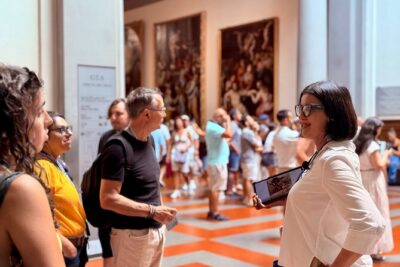
Skip the line: Uffizi and Accademia Small Group Walking Tour
Read our review →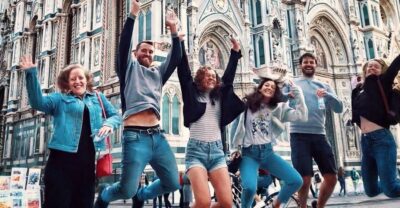
Renaissance and Medici Tales Guided Walking Tour
Read our review →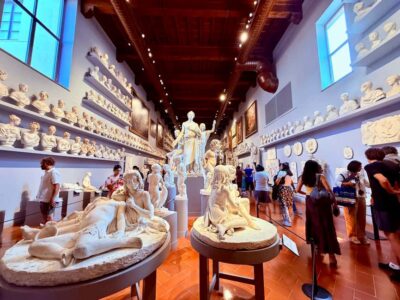
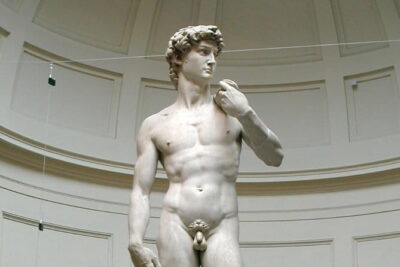
Skip-the-Line Florence Highlights and David Walking Tour
Read our review →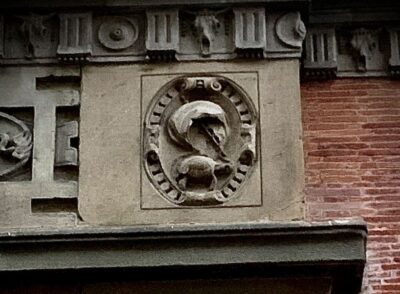
Dark Mysteries and Legends Guided Walking Tour
Read our review →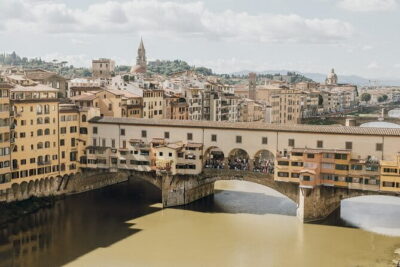
Florence in a Day: Michelangelo’s David, Uffizi and Guided City Walking Tour
Read our review →Browse the lists this tour appears in