
Reviewed · FLORENCE WINE TASTINGS
Florence Foodies Tour: Savor Tuscan Flavors & Fine Wine
Florence makes a fine first course, but this tour serves the whole meal. In 2.5 hours, you move from Tuscan salumi and pecorino to ribollita, lampredotto, gelato, cookies, Chianti, and Vin Santo, with a guide explaining how humble cucina povera became a key part of local cooking.
I like the small size, capped at 12 people, and the stops in modest neighborhood eateries rather than only famous tourist addresses. I also like the generous food plan: this is not a nibble-and-move-on outing. The main drawback is its fixed menu and age limit. It is for adults 18 and older, and some food stops may not handle every dietary need.
Key points
- Five food stops make this a full meal: Expect cold cuts, traditional Tuscan dishes, fettunta, gelato, biscotti, and wine.
- Cucina povera is the central idea: You learn how bread, vegetables, beans, and leftovers shape classic Florentine food.
- The walk covers about 1.6 kilometers: The route is easy to fit into a day of sightseeing, though comfortable shoes still matter.
- Wine is part of nearly every stage: Four glasses of wine plus a glass of Vin Santo are included.
- Mara has earned warm praise as a guide: Her tours combine food explanations, Florence history, and practical restaurant advice.
- The tour is best for curious adults: It suits people who want local flavors and conversation more than a formal cooking class.
A Florentine food tour that doubles as a first-day orientation
The tour begins in Piazza della Repubblica, one of central Florence’s useful reference points. Meet in front of the tall marble column near Gill Cafe and the Rinascente department store, then set off on foot through the historic center.
I like this starting point because it puts you close to major sights without making the tour feel like a standard monuments walk. You will pass through streets and squares that connect the city’s grand public spaces with smaller food businesses. Along the way, the guide adds context about Florence and Tuscan eating habits.
The route covers about 1.6 kilometers, or one mile. That is not a strenuous walk, but the tour does involve standing, walking on city streets, and moving between several stops. Wear comfortable shoes and arrive ready to eat. The included food is intended to equal a full meal.
The tour is conducted in English, and the group size is limited to 12. That limit matters. A food tour works better when you can hear the guide, ask questions, and fit into small restaurants without turning the visit into a parade.
More wine tastings in Florence:
- Tuscany Day Trip from Florence: Siena, San Gimignano, Pisa and Lunch at a Winery
★ 5.0 · 21,634 reviews - Florence: Pasta Cooking Class with Unlimited Wine
★ 4.9 · 10,285 reviews - Florence: Chianti Wineries Tour with Wine Tasting
★ 4.5 · 8,301 reviews
Salumi, pecorino, olive oil, and the taste of the countryside
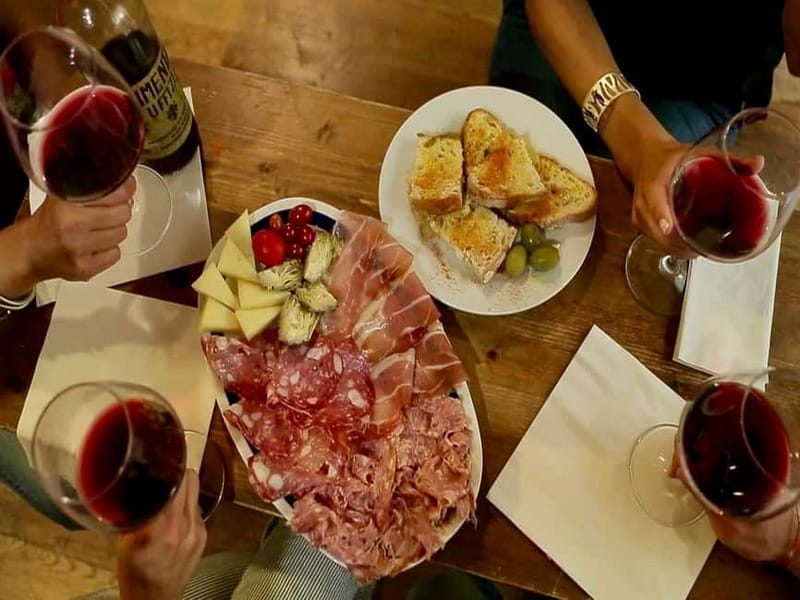
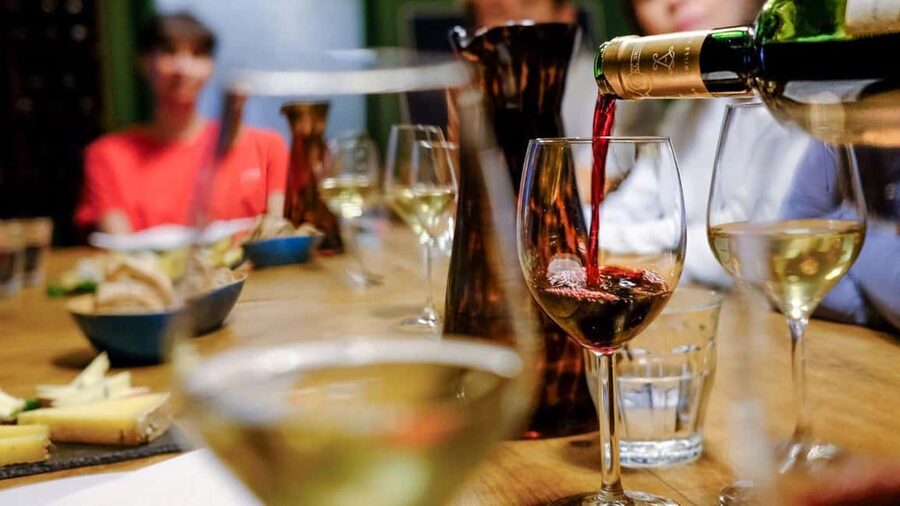
The first food stop introduces several basic Tuscan flavors at once. You taste prosciutto and other salumi from a local organic farm, along with extra virgin olive oil, pecorino cheese, and Chianti.
This is a useful opening because Tuscan food often depends on good ingredients more than elaborate preparation. Salumi gives you the salty, cured side of the region. Pecorino brings sheep’s milk and a firmer texture than many familiar cow’s milk cheeses. Olive oil supplies the grassy, peppery note that appears again later with fettunta.
Chianti is not treated as a separate lecture or a precious tasting ritual. It is part of the meal. That is a better fit for understanding how wine works in Tuscany, where a glass often arrives beside simple food rather than as an isolated luxury.
The organic farm connection also gives this stop a sense of place. You are not simply sampling generic Italian meats and cheese. The emphasis is on products associated with Tuscany and on the way they are served in ordinary local eating.
The Il Porcellino area and Florence’s working food culture
One of the walking stops is the Il Porcellino statue, a well-known Florentine landmark. The guide provides commentary here while leading the group through the surrounding streets.
The statue itself is a popular city sight, but its value on this tour comes from what happens around it. You get a familiar point of orientation, then move toward less obvious food addresses. Several stops are in small or tucked-away establishments, the kind of places you might pass without knowing what to order.
This combination is one of the tour’s strongest features. You get recognizable Florence without spending the entire afternoon at major monuments. The food gives the walk a purpose, and the walk helps connect the dishes to the city around you.
A group of 11 was described as comfortable for navigating the streets and still feeling personal. Since the maximum is 12, you should expect a similar scale, though the exact number on your date can vary.
Ribollita, panzanella, pappa al pomodoro, and lampredotto
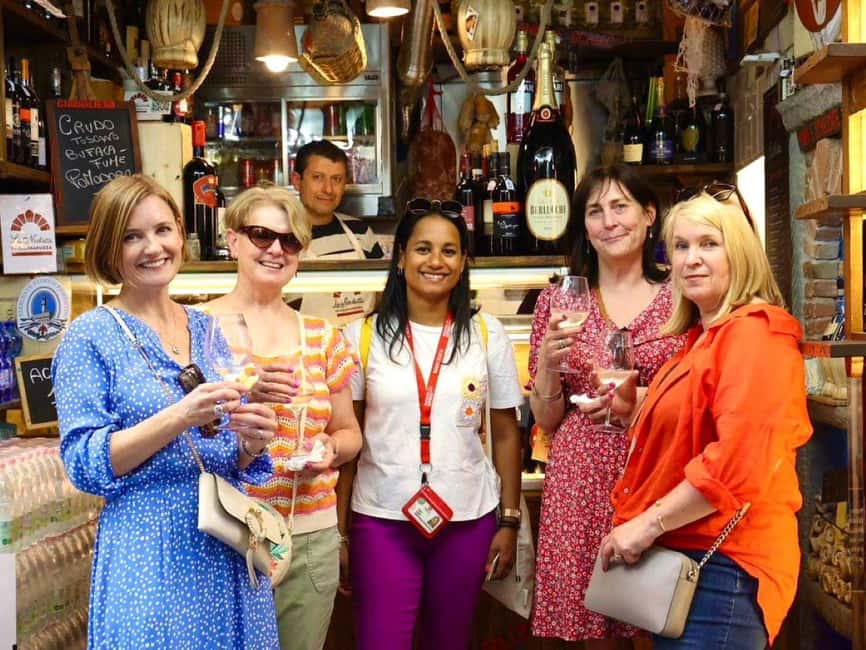
The next major stop is a cozy eatery serving traditional Tuscan dishes. The menu can include ribollita, panzanella, pappa al pomodoro, and lampredotto, with local wine alongside the food.
These dishes tell you more about Tuscany than a plate of pasta alone would. Ribollita is a thick bread and vegetable soup linked to the cucina povera tradition. Panzanella uses bread with vegetables and dressing. Pappa al pomodoro turns bread, tomato, and seasoning into a soft, hearty dish.
Lampredotto is the more adventurous item. It is a traditional Florentine preparation made from beef stomach, and it is one reason this tour suits curious eaters. You do not need to love every dish, but you should be willing to try food that may be outside your normal order.
Cucina povera means the cooking of thrift and necessity. In practice, that means making satisfying food from bread, vegetables, beans, inexpensive cuts, and leftovers. The idea is not poverty as a gimmick. It is a way to understand why Tuscan cooking can feel plain at first glance but have plenty of character at the table.
This is also where the tour becomes more than a tasting crawl. The guide can explain how these foods fit into Florentine life, and the owners of some small establishments may be available to discuss what they serve. The experience is informal rather than a formal cooking demonstration.
A completely different way to spend an afternoon in Florence:
- Florence: Skip-The-Line Uffizi Gallery Timed Entry Ticket
★ 4.5 · 27,832 reviews - Florence: Timed Entrance Ticket to Michelangelo’s David
★ 4.6 · 16,983 reviews - Florence: Michelangelo’s David Skip-the-Line Entry Ticket
★ 4.5 · 12,764 reviews - The Best tour in Florence: Renaissance & Medici Tales – guided by a STORYTELLER
★ 5.0 · 12,316 reviews
Historic towers, grand squares, and a short dose of art
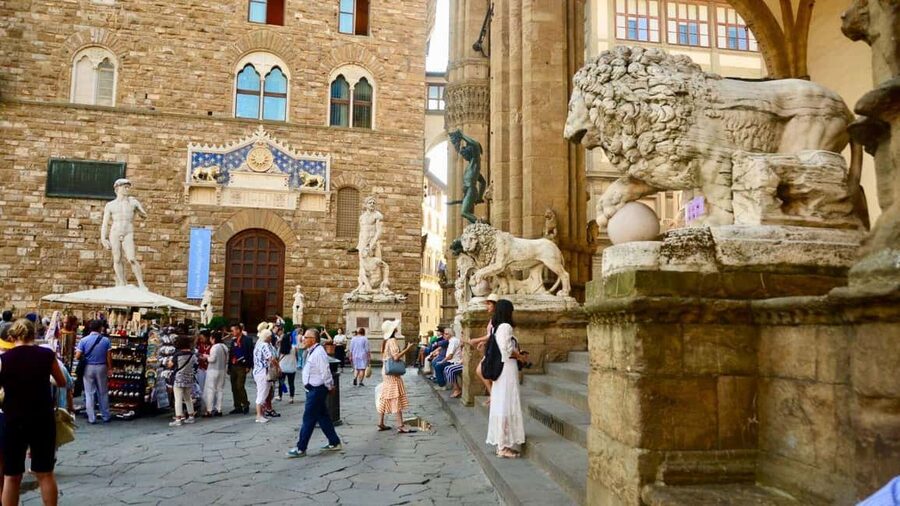
Between food stops, the route passes Torre dei Belfredelli, a 12th-century tower, Piazza della Signoria, and Casa Martelli. These are guided walking stops, not long museum visits.
Piazza della Signoria gives you one of Florence’s most impressive public spaces and helps place the food stops within the city’s civic center. Casa Martelli adds another historic reference point, while the Belfredelli tower points to the medieval city still visible among later buildings.
The sightseeing is intentionally brief. If you want detailed art history, book a dedicated museum or architecture tour. Here, the landmarks serve as pauses between tastings and give your guide opportunities to explain Florence’s past without taking the focus away from food.
I like this balance. You can see several central landmarks while learning where Florentines eat, rather than spending two and a half hours indoors or on a purely historical route.
Fettunta, olive oil, and an old-style enoteca
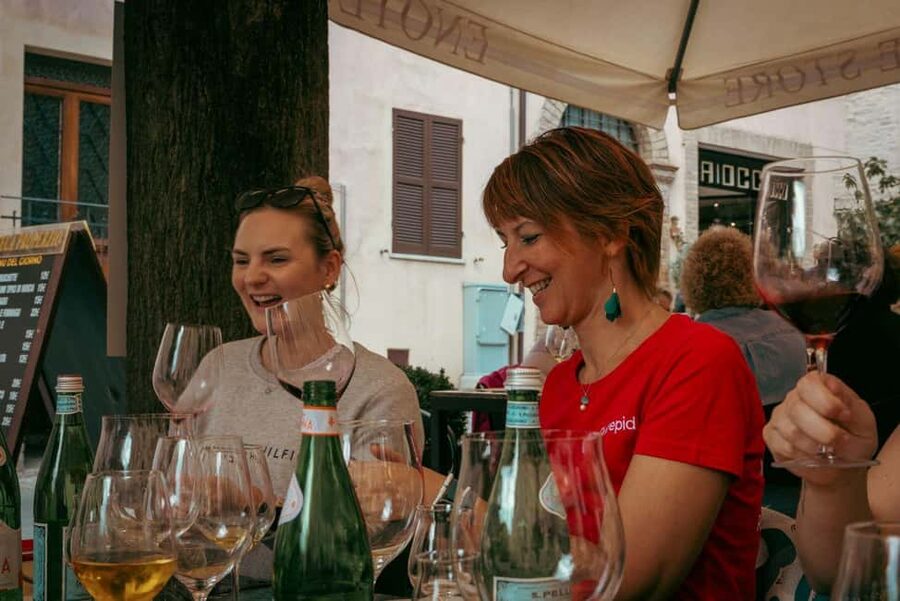
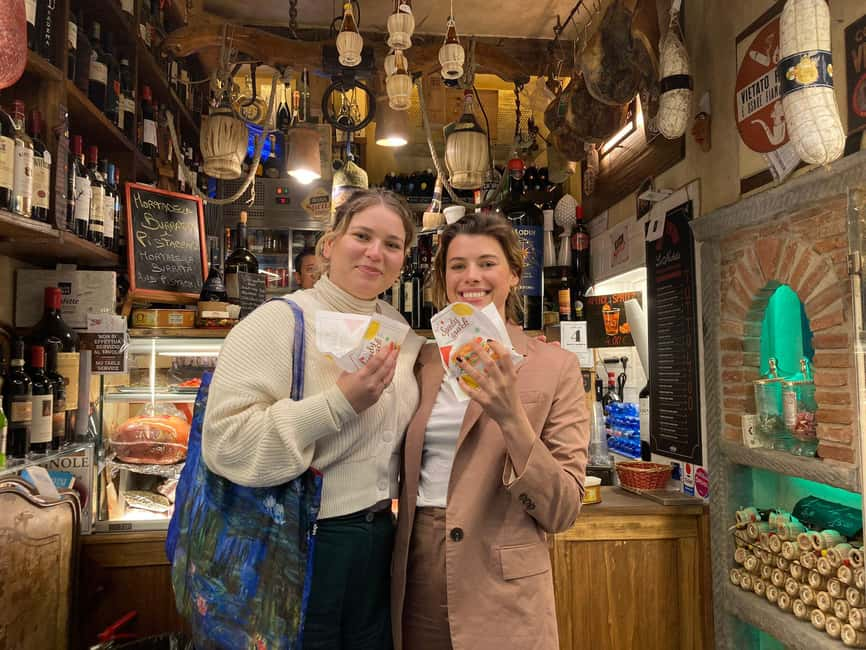
The route then reaches an iconic enoteca, where you taste two glasses of wine with fettunta and olive oil. Fettunta is toasted bread rubbed with garlic and finished with olive oil, a simple dish that depends heavily on the quality of the ingredients.
This stop gives the olive oil from the opening tasting a second role. You can compare it with the bread and see why Tuscan food often treats oil as a finishing ingredient rather than something hidden in the background.
Two glasses of wine make this a substantial tasting, especially after Chianti at the earlier stops. Pace yourself. Four glasses are included across the tour, followed by Vin Santo, so this is not the place to drink quickly simply because the pours are small.
The enoteca setting also gives you a feel for an Italian wine bar. You are not only tasting wine in a classroom. You are pairing it with bread and taking a short break from the walk.
Gelato near a Florentine landmark
At another point on the route, the guide stops at a gelateria for authentic Italian gelato. The exact flavor selection is not specified, so you should expect the choice to depend on what is available at the shop.
Gelato is a predictable stop on a Florence food tour, but it earns its place here as a change of pace. After salty meats, cheese, soup, bread, and wine, something cold and sweet resets your palate.
The stop also comes while passing an iconic Florentine landmark. That means you get a photo opportunity and a quick city reference without losing much time. It is a practical way to combine sightseeing with dessert.
Keep in mind that the tour is not designed for people who only want sweets or only want wine. The gelato is one part of a long progression, and the food before it is substantial.
Tuscan cookies and Vin Santo to finish
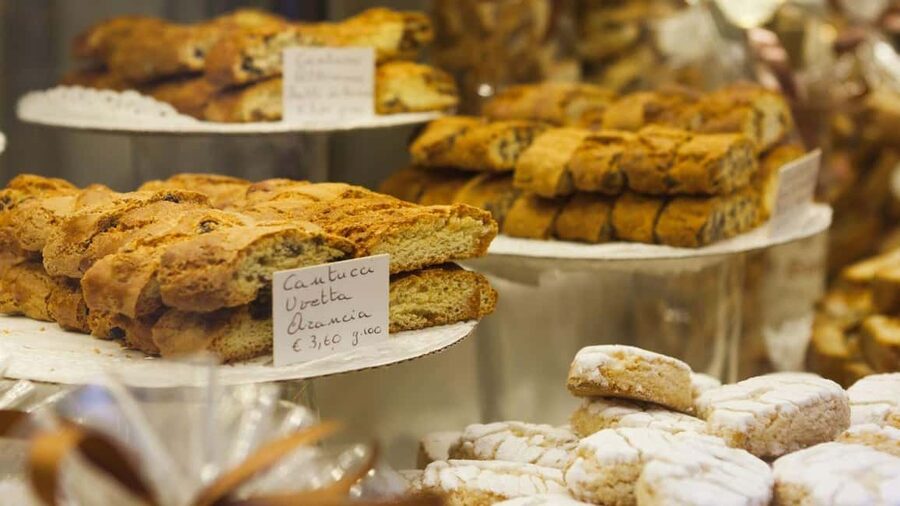
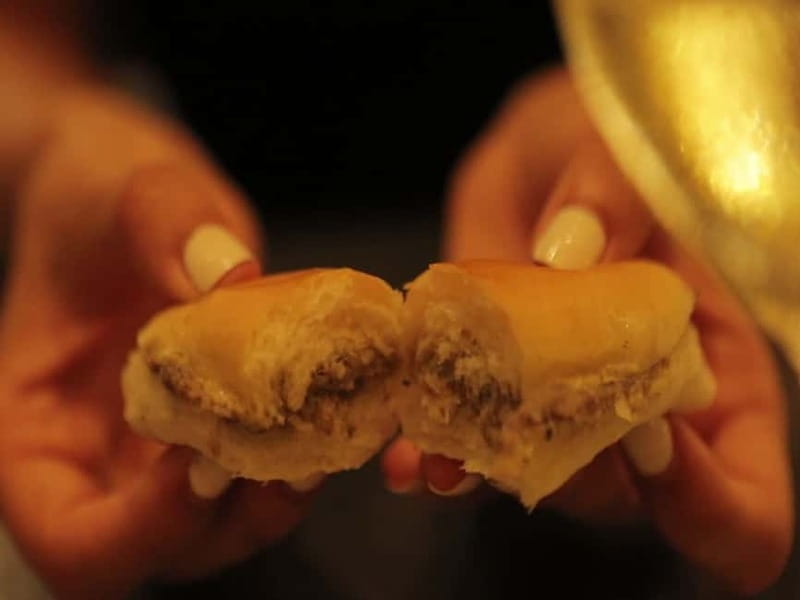
The final food setting is unusual: a place that combines theater, bookstore, and bar, with a wine window. Here you taste Tuscan cookies, then finish with a glass of Vin Santo.
Vin Santo is a traditional sweet wine often paired with biscuits. Ending with the two together gives the tour a clear Tuscan finish rather than simply stopping after gelato.
The theater and bookstore setting also feels different from the earlier eateries and enoteca. It adds character to the final stop without requiring another formal attraction. You get one last food story, one last drink, and the chance to ask the guide where to continue eating after the tour.
The tour finishes in Piazza Strozzi according to the route details. The meeting information also describes the activity as ending back at the meeting point, so check the final directions attached to your booking for the exact end instructions.
What the $89.50 price really covers
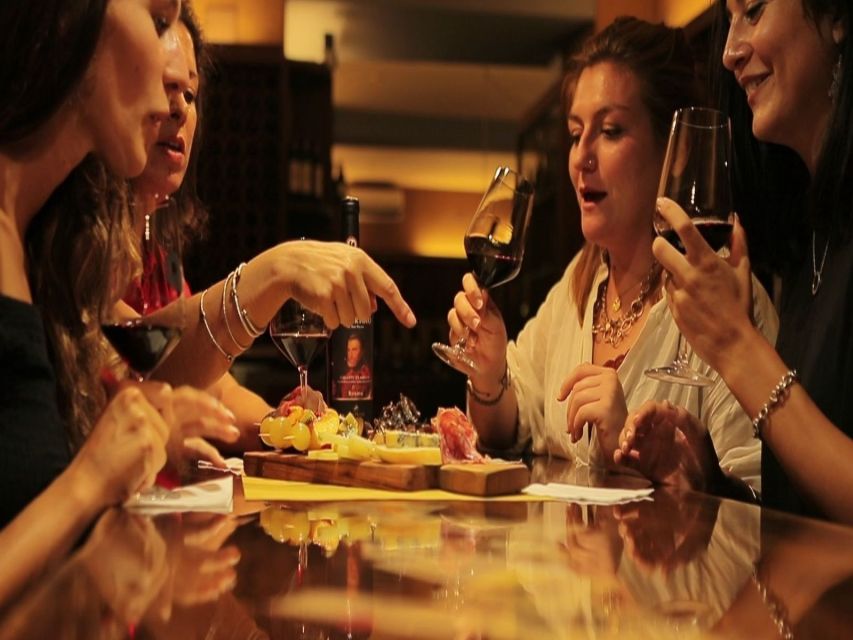
At $89.50 per person, the price is reasonable if you treat the tour as lunch or dinner plus a guided walking experience. You receive five food stops, four glasses of wine, a glass of Vin Santo, a local English-speaking guide, and a route through central Florence.
The value is strongest for a first visit. You are paying for more than individual samples. You are also getting help choosing dishes, an explanation of cucina povera, a small-group format, and restaurant suggestions for later in your stay.
It is less attractive if you already know Florence’s food scene and prefer to choose every dish yourself. You also pay for the fixed structure, so anyone with a strict diet should confirm suitability before booking.
Additional food and drinks are not included. Since the included portions equal a full meal, you should not need to buy extra food during the tour, but you may want to budget for drinks beyond the stated tastings.
Dietary needs, age rules, and the pace of the walk
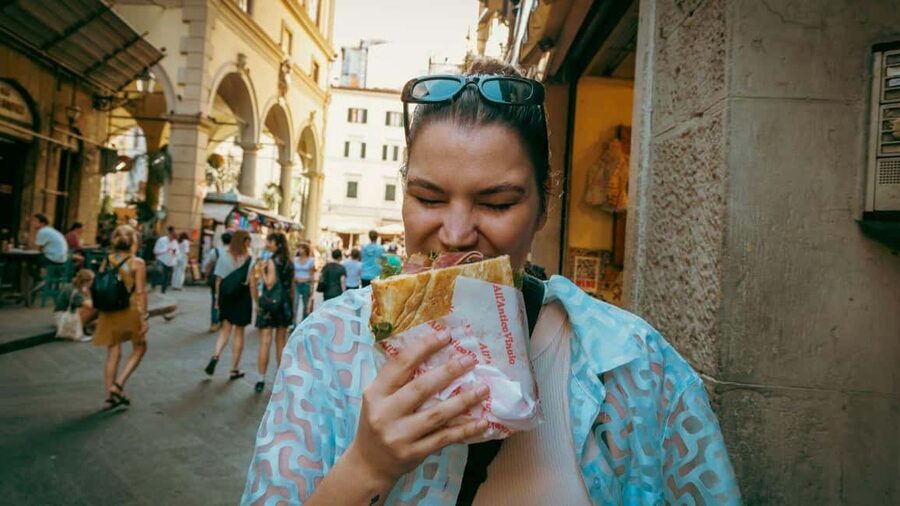
The tour is for adults 18 and older. Children under 18 cannot join, so this is not a family food outing.
The experience can suit vegetarians, lactose-free diners, and people following a gluten-free diet who are not celiac. Still, the stops are not always able to handle every dietary requirement. Tell the operator about your needs before booking, and do not assume that every dish can be replaced.
The route is on foot and covers about one mile. There is no listed transport between stops. Comfortable shoes are specifically recommended, and that advice is worth following on Florence’s streets.
The tour is carbon neutral and operated by a B Corp certified company. That does not change the food or route, but it may matter to you when comparing similar activities.
The guide can make or break the experience
The guide is central to this tour because the food itself is only half the point. You need someone who can explain unfamiliar dishes, keep the group moving, and connect the stops to Florence.
Mara received especially warm praise for being welcoming, informative, and fun. Her approach included Florence history, explanations at the food stops, and practical advice about places to eat and drink after the tour. If Mara is leading your departure, you can expect a guide who adds plenty of local pointers. Guide assignments can vary, so do not assume she will lead every date.
The small group helps here. You have a better chance of asking about lampredotto, olive oil, wine, or later restaurant choices than you would in a large coach group. The guide can also keep the pace relaxed enough for the group to meet owners and learn about the food.
Who should book this Florence food tour?
I would choose this tour for a first or second day in Florence, especially if you want food to help you get your bearings. The route shows you central landmarks, introduces local dishes, and gives you restaurant ideas for the rest of your visit.
It is a good fit if you:
- Want a full meal rather than tiny samples
- Enjoy trying traditional dishes, including lampredotto
- Like wine with food
- Prefer small groups to large scheduled tours
- Want food stops outside the most obvious tourist routine
- Are comfortable walking and standing for 2.5 hours
I would think twice if you dislike cured meats, bread-based dishes, wine, or unfamiliar cuts of meat. It is also not the right choice for anyone under 18 or for diners with serious dietary restrictions unless the operator confirms that the menu can be handled safely.
Free cancellation is available up to 24 hours before the tour for a full refund, and you can reserve now and pay later. Those terms make it easier to place the tour early in your Florence schedule while keeping plans flexible.
Should you book it?
Book this tour if you want Florence explained through its food rather than only through its monuments. The best parts are the full meal of Tuscan staples, the small group, the less obvious eateries, and the practical advice you can use afterward.
Skip it if you want a formal cooking class, a museum-heavy walk, or complete control over every dish. For most adult food lovers, especially first-time visitors, the mix of salumi, cucina povera, wine, gelato, and Vin Santo offers solid value at $89.50.
FAQ
How long does the Florence food tour last?
The tour lasts 2.5 hours. Starting times vary, so check availability for the date you want.
Where does the tour start?
The meeting point is Piazza della Repubblica, in front of the tall marble column near Gill Cafe and the Rinascente department store.
Where does the tour finish?
The route details list Piazza Strozzi as the finish. The meeting information also says the activity ends back at the meeting point, so confirm the final end instructions with your booking details.
How much walking is involved?
The tour covers about 1.6 kilometers, or one mile, on foot. Comfortable shoes are recommended.
How many people can join?
The small-group tour has a maximum of 12 passengers. A private group option is also available.
What food is included?
Included food can include a cold-cuts platter, pecorino, extra virgin olive oil, cucina povera dishes such as ribollita, panzanella, pappa al pomodoro, and lampredotto, plus fettunta, gelato, traditional biscotti, and other Tuscan cookies.
How much wine is included?
The tour includes four glasses of wine and one glass of Vin Santo.
Is the tour suitable for dietary restrictions?
It is suitable for vegetarians, lactose-free diners, and gluten-free diners who are not celiac. Some establishments may not be able to handle all dietary requirements, so confirm your needs before booking.
Can children join the tour?
No. The minimum age is 18, and the tour is not suitable for children under 18.
Recently added around Florence
- Accademia and Uffizi Small-group Guided Tour★ 4.5 · 8 reviews
- The David from Michelangelo.★ 5.0 · 3 reviews
- Combo: Accademia + walking + Uffizi Galleries Guided Tour★ 3.5 · 6 reviews
- The Complete Wine Tour Brunello, Nobile, Chianti wine experience★ 4.0 · 7 reviews
- The Best of Tuscany in 3 Days★ 4.5 · 13 reviews
- The Cooking Lab – Authentic Food Experience★ 5.0 · 113 reviews
- Florence Central Market Food Tour – Private Tour★ 4.0 · 7 reviews
- Family Friendly Florence Private City Tour★ 5.0 · 47 reviews
Florence Wine Tastings, compared.
Tuscany Day Trip from Florence: Siena, San Gimignano, Pisa and Lunch at a Winery
Read our review →
Small-Group Wine Tasting Experience in the Tuscan Countryside
Read our review →
Pasta & Tiramisu Cooking Class with Unlimited Wine
Read our review →
Pisa, Siena and San Gimignano Day Trip with Lunch & Wine Pairing
Read our review →
SMALL-GROUP Wine Safaris: Tuscan Wine Tasting Tours from Florence
Read our review →Browse the lists this tour appears in