
Reviewed · WORKSHOPS
Florence: Artisanal Crafts and Workshops Guided Tour
Florence’s best craft stories are found away from the big museum halls. This three-hour private tour takes you into working workshops where leather, gold, semi-precious stone, perfume, books, and carved frames are still made by hand. Martina Cappello shapes the route around your interests and explains how these trades fit into Florentine life.
I like two things here. First, you get access to places such as the Lastrucci family workshop, one of the few places still using the Florentine commesso stone technique. Second, Santa Maria Novella gives the tour a memorable scent stop, with roots reaching back to Dominican friars in 1221. The drawback is the walking: historic workshops often mean stairs, narrow entrances, and uneven surfaces, so this is not suitable for wheelchair users or people with mobility problems.
Key points at a glance
- See working crafts, not just finished souvenirs: Watch artisans handle leather, gold, stone, perfume, books, and carved wood or frames.
- Visit Santa Maria Novella: Enter one of Florence’s oldest apothecary institutions, where perfume making is tied to Catherine de’ Medici’s court.
- Step inside Santa Croce’s Scuola del Cuoio: Learn how Florence’s famous leather tradition is kept alive in a historic setting.
- Explore Florentine commesso: The Lastrucci family workshop shows a rare inlay method using carefully fitted pieces of colored stone.
- Enjoy a private pace: Martina can ask about your interests before meeting and adjust the emphasis within the three-hour visit.
- Plan for purchases, not included extras: Food and drinks are not part of the tour, and anything you buy at the shops is your own expense.
Why Florence’s workshops are worth your time
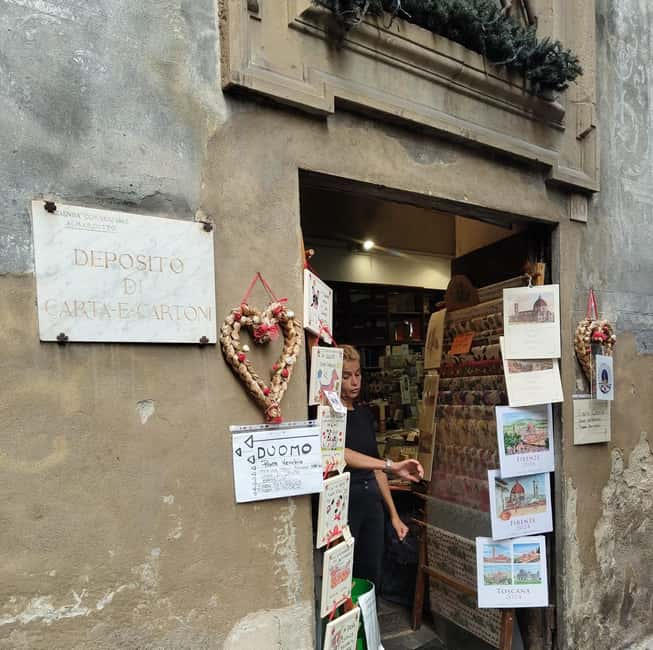
Florence is often treated as a city of paintings, domes, and museum masterpieces. That is only half the story. The city’s artistic culture also lives in small rooms where a craftsperson may spend days shaping a frame, fitting leather, or setting tiny pieces of stone.
This tour helps you connect the famous art with the work needed to present and preserve it. A Renaissance painting needed a fine frame. A noblewoman’s clothing called for carefully made jewelry. A church or palace required carving, gilding, bookbinding, and decorative objects.
I find that context useful because it changes the way you look at Florence’s grand buildings. You begin to notice the handwork around the art, not just the art itself. The guide’s job is important here. Martina has been praised for asking about interests before the meeting, keeping a comfortable pace, and explaining both the older traditions and the way artisans work today.
The group is private, which matters in workshops. You are not being pushed through with a large crowd, and the guide can spend more time on the crafts that catch your eye. Still, private does not mean slow or leisurely in the usual sightseeing sense. Three hours passes quickly, especially if you stop to ask questions or browse products.
More artisan workshops in Florence:
- Florence: Pasta Cooking Class with Unlimited Wine
★ 4.9 · 10,285 reviews - Florence Pizza or Pasta Class with Gelato Making at a Tuscan Farm
★ 5.0 · 6,801 reviews - Florence: Pasta & Tiramisu Cooking Class with Unlimited Wine
★ 4.9 · 6,708 reviews
Goldsmithing and stonework in small Florentine workshops
Goldsmithing has a long Tuscan tradition, reaching back to the Etruscan age. On this tour, you may visit Arlo Haisek’s small workshop and the Lastrucci family workshop, where goldsmithing and semi-precious stones take center stage.
The appeal of a small workshop is the closeness. Instead of seeing a display case from several feet away, you can watch the tools, materials, and careful handwork involved. The scale also makes the craft feel less like a showroom presentation and more like a working practice.
The Lastrucci visit is especially distinctive. The family is among the very few still working with Florentine commesso, an inlay method in which pieces of colored stone are fitted together to create a picture or pattern. The result can look like a painting at first glance, but the surface is made from stone rather than brushstrokes.
This is a place to slow down and look closely. Tiny joins and changes in color matter. The process helps explain why decorative stonework was prized in aristocratic interiors and religious buildings.
One practical point: the route can include different workshops depending on arrangements and availability. The supplied details name the Lastrucci family workshop as included, while other goldsmithing stops are described as possible visits. Ask Martina at the start which craft stops are confirmed for your date.
Leather at Scuola del Cuoio inside Santa Croce
Florentine leather is one of the city’s most familiar crafts, but a workshop visit gives you more than a chance to admire wallets and bags. At the Scuola del Cuoio, inside the Santa Croce complex, you can see the tradition in a setting closely tied to Florence’s religious and artistic past.
The school is known for leatherwork, and the visit is included. You may also see leather work connected with the Il Bisonte shop or Stefano Bemer’s refined boutique, depending on the route.
The important distinction is between buying leather and understanding leather. A shop window tells you what a finished product costs. A craft visit shows why the work takes time, what details signal quality, and how hand finishing changes the feel of an object.
I would pay close attention to the practical explanation here. Ask about the leather itself, the finishing process, and which parts are done by hand. Since personal shopping is not included, you can look without feeling that you need to buy. If something catches your eye, remember to treat the purchase as a separate expense.
Santa Croce’s historic setting also means the stop may not be easy for everyone. This tour is not designed for wheelchair users or people with mobility impairments, and comfortable walking shoes are essential.
Santa Maria Novella and the story of Florentine perfume
Santa Maria Novella is one of the tour’s most atmospheric stops. Founded in 1221 by Dominican friars, it is described as the oldest pharmacy in the world. The place connects religious herbal knowledge, apothecary work, and Florence’s long interest in fragrance.
The story becomes more memorable through Renato Bianco, a master perfumer associated with Catherine de’ Medici. He reportedly left for the French court with Aqua della Regina, a fragrance created to recall the elegance of Florence.
You do not need to be a perfume expert to enjoy this stop. The point is to understand how scent moved from a practical or medicinal setting into courtly life and eventually into the modern fragrance trade. Santa Maria Novella makes that transition easy to grasp because the institution itself links old formulas and present-day products.
This is also one of the places where your senses do some of the work. After several visual craft stops, perfume gives the tour a different texture. You can smell products, compare room fragrances, and consider how a city’s identity can be carried in a bottle.
Keep the shopping boundary in mind. The visit is included, but anything you purchase is not. The tour also lists a stop at Aquaflor, where you can buy room fragrances. That makes the visit useful for shoppers, but less appealing if you want a strict museum-style tour with no retail element.
More guided tours in Florence:
- The Best tour in Florence: Renaissance & Medici Tales – guided by a STORYTELLER
★ 5.0 · 12,316 reviews - Florence: Duomo Cathedral Guided Tour
★ 3.9 · 5,970 reviews - Uffizi Gallery Small Group Tour with Guide
★ 4.5 · 4,923 reviews - Florence: Accademia Gallery Guided Tour
★ 4.6 · 4,156 reviews
Bookbinding, carving, and the art around famous paintings
Bookbinding receives less attention than leather or perfume, yet it fits perfectly into Florence’s craft story. Before modern mass production, a book was an object made of many skilled parts. Its cover, stitching, paper, decoration, and presentation all mattered.
The tour introduces you to bookbinding as part of Florence’s wider tradition of useful objects made with care. You may find this stop quieter than the gold and leather workshops, but it offers a good counterpoint. Not every craft is about display. Some are about touch, durability, and the private pleasure of owning a beautifully made book.
Carving comes into focus at Bottega d’Arte Maselli, known for its frames. The workshop has had the honor of framing works by Leonardo da Vinci and Rosso Fiorentino, which gives the stop extra weight without turning it into another painting tour.
A frame is easy to ignore when you are focused on the picture inside it. Here, you get a reason to look again. Proportion, carving, surface treatment, and the relationship between frame and artwork all affect how a painting is seen.
The Maselli stop should appeal to anyone interested in restoration, interiors, architecture, or decorative art. It is also a good reminder that Florence’s artistic achievements depended on many trades working alongside painters and sculptors.
A three-hour route with a human pace
The meeting point is Piazza della Repubblica, next to the obelisk. Hotel pickup and drop-off are included, so confirm the arrangements when booking, especially if you prefer to start from your accommodation rather than walk to the central meeting point.
Three hours is long enough to build a connected story but not long enough to linger at every shop. That is both a benefit and a limit. You get a concentrated introduction to several crafts, but each stop may feel like a sample rather than a full workshop course.
The private format helps. Martina can ask what interests you before the meeting, then give more attention to leather, perfume, jewelry, stone, or frames. Her Spanish and English language options make the tour accessible to a wider range of visitors.
The pace has been described as comfortable, which is welcome in Florence. Even so, plan for a moderate amount of walking. Wear shoes you can use on city streets for several hours, and do not count on pausing for a meal during the visit. Food and drinks are not allowed inside the workshops.
Photography is usually allowed, but ask before taking pictures of people, tools, or work in progress. A working artisan’s bench is not the same as a public monument, and a little courtesy goes a long way.
What the $116 price means
At $116 per person, this is not a budget walking tour. The price makes more sense if you value access, a private group, and a guide who can explain the connection between separate craft traditions.
You are paying for three hours of guided interpretation, entry to the Scuola del Cuoio and Lastrucci family workshop, a visit to Santa Maria Novella, and hotel pickup and drop-off. Food, drinks, and purchases are extra, so budget for those separately if you plan to shop.
The tour offers better value for a first-time visitor who wants a side of Florence beyond the headline sights. It is also a sensible choice for repeat visitors who have already seen the major museums and want to understand how the city’s artistic identity continues in working studios.
The value is weaker if you want hands-on instruction, a long visit at one single workshop, or a tour centered on buying leather and perfume. This is an introduction and guided interpretation, not a craft class. You see artisans at work, but the supplied details do not promise that you will make anything yourself.
Who should book this Florence craft tour
I would recommend this experience to people who enjoy design, handmade goods, historic trades, decorative art, or thoughtful shopping. It suits couples, families with older children, and small private groups who want a guide to connect the stops.
It is especially useful if you are curious about the other Florence, the city of workshops, family businesses, and specialized skills. Martina’s ability to ask about interests before the meeting can make the route feel more personal than a fixed sightseeing circuit.
You should think twice if you have mobility limitations. The workshop locations are historic, and the tour is specifically not suitable for wheelchair users or people with mobility impairments. The route also involves enough walking that comfortable shoes are not optional.
Language is another practical factor. The tour is offered in English and Spanish. If you need another language, this experience may not be the right fit.
Cancellation is flexible up to 24 hours before the tour for a full refund, and you can reserve now and pay later. Those terms help if your Florence schedule is still shifting, but they do not change the need to choose a walking activity you can comfortably manage.
My call: a smart choice for craft-minded visitors
Book this tour if you want Florence explained through the hands of its makers. The combination of Santa Maria Novella, Scuola del Cuoio, Lastrucci’s stone inlay, goldsmithing, bookbinding, perfume, and carved frames gives you a broad look at the city’s working arts.
I especially like the rare access to the Lastrucci workshop and the way Santa Maria Novella adds a sense of place through fragrance. Martina’s personal approach, including asking about your interests and keeping a manageable pace, is another strong reason to choose it.
Skip it if your priority is a major museum, a cooking lesson, or a single craft taught in depth. At $116, the tour earns its price through private guiding and access to specialist locations, not through quantity alone. For the right visitor, it offers a useful and memorable view of Florence that you could not get from a standard monument walk.
FAQ
How long does the Florence artisanal crafts tour last?
The tour lasts three hours.
Where does the tour meet?
The meeting point is Piazza della Repubblica, next to the obelisk.
Is hotel pickup and drop-off included?
Yes. Hotel pickup and drop-off are included.
Which languages are available?
The live tour guide is available in English and Spanish.
Is the tour private?
Yes. It is offered for a private group.
Is the tour suitable for wheelchair users?
No. The tour is not suitable for wheelchair users or people with mobility impairments because of the historic workshop locations. Comfortable walking shoes are recommended.
Recently added around Florence
- Accademia and Uffizi Small-group Guided Tour★ 4.5 · 8 reviews
- The David from Michelangelo.★ 5.0 · 3 reviews
- Combo: Accademia + walking + Uffizi Galleries Guided Tour★ 3.5 · 6 reviews
- The Complete Wine Tour Brunello, Nobile, Chianti wine experience★ 4.0 · 7 reviews
- The Best of Tuscany in 3 Days★ 4.5 · 13 reviews
- The Cooking Lab – Authentic Food Experience★ 5.0 · 113 reviews
- Florence Central Market Food Tour – Private Tour★ 4.0 · 7 reviews
- Family Friendly Florence Private City Tour★ 5.0 · 47 reviews
Workshops, compared.
Florence Pizza or Pasta Class with Gelato Making at a Tuscan Farm
Read our review →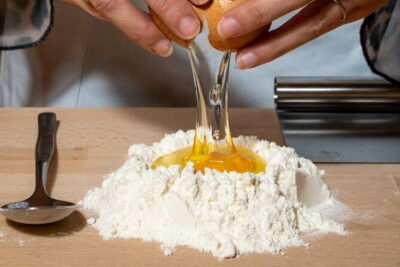
Pasta & Tiramisu Cooking Class with Unlimited Wine
Read our review →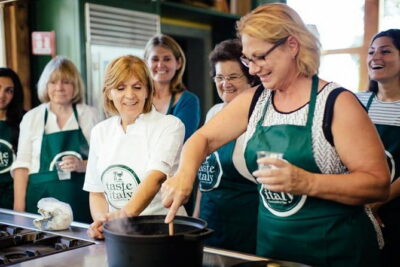
Cooking Class and Lunch at a Tuscan Farmhouse with Local Market Tour from Florence
Read our review →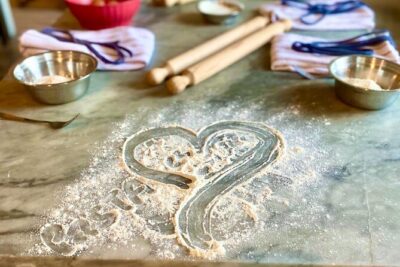
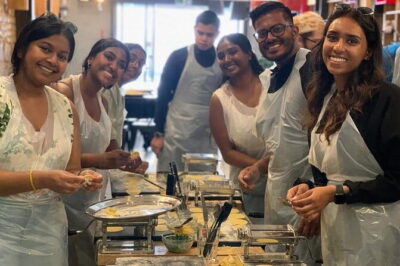
Cooking Class Pasta & Tiramisu Making Unlimited Wine
Read our review →
Florence Cooking Class The Art of Making Gelato & Authentic Pizza
Read our review →Browse the lists this tour appears in