
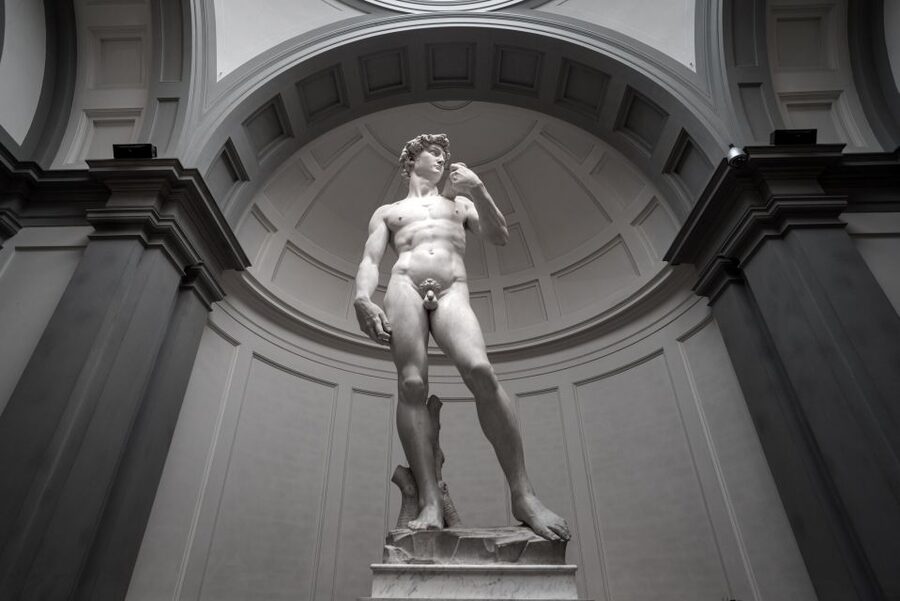
Reviewed · ACCADEMIA GALLERY AND DAVID TOURS
Afternoon Access to Accademia Gallery: David & Stradivarius
The surprise here is not only Michelangelo’s David. This short Accademia visit also takes you to a 1690 Stradivarius violin and the first modern piano, both easy to miss if you rush straight toward the famous statue. That unusual music collection gives the tour more range than a standard David visit.
I like the skip-the-line entry, especially for a fixed afternoon appointment in busy Florence. I also like the small group, limited to nine people, since it gives you a better chance to hear the guide and ask a question. The main consideration is time: 70 minutes goes quickly, and this is an introduction rather than a slow, free-ranging museum visit.
Key points
- A 1690 Stradivarius adds a rare musical stop to the usual Accademia visit.
- Michelangelo’s David remains the main event, with time to understand the statue rather than simply photograph it.
- The group is limited to nine people, a useful size for a guided museum visit.
- English-speaking guides include Elisabetta and Leonardo, both praised for lively, personal commentary.
- The 3:15 PM start works well for fitting the museum into a full day in Florence.
- The $80 price pays for guidance and convenience, not just entry, so it suits visitors who want context and a smoother arrival.
Why this Accademia visit is different
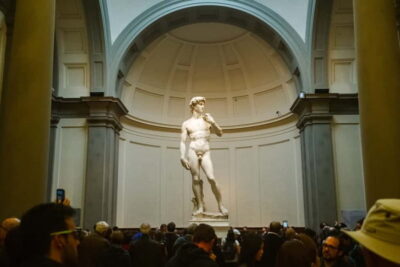
Most first-time visits to the Accademia Gallery have one clear goal: seeing David. That is sensible. Michelangelo’s marble figure is the museum’s symbol and one of Florence’s great sights.
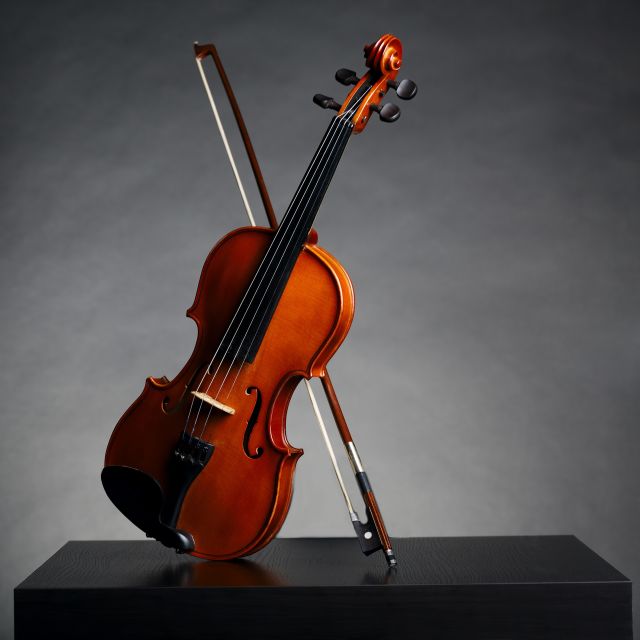
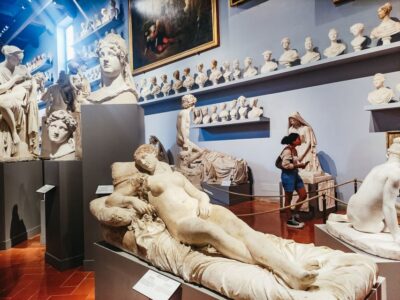
This tour gives you a second reason to pay attention. Before reaching the major sculpture rooms, you visit the musical instrument collection connected with the Conservatorio Luigi Cherubini. The collection includes an original Stradivarius violin made by Antonio Stradivari in 1690 for the Great Prince. You also see the first modern piano, invented in Florence.
That pairing changes the shape of the visit. You are not only looking at monumental sculpture. You are also seeing objects tied to the development of musical instruments and Florentine craftsmanship. If you have already seen plenty of famous paintings and statues, this is a welcome change of pace.
The tour is designed with help from art history specialists, and its route gives extra attention to the instruments that many people overlook. That does not mean the music collection takes over the visit. David is still the centerpiece, but the violin and piano give you more to remember than the usual quick stop.
More ways to see the David at the Accademia:
- Florence: Timed Entrance Ticket to Michelangelo’s David
★ 4.6 · 16,983 reviews - Florence: Michelangelo’s David Skip-the-Line Entry Ticket
★ 4.5 · 12,764 reviews - Florence Accademia Gallery Tour with Entrance Ticket Included
★ 4.5 · 6,148 reviews
Meeting at 3:00 PM for a 3:15 start
You meet at 3:00 PM in front of the Accademia’s main entrance, beside the ticket office at building number 47, marked in blue. Look for the guide holding a Keys of Italy sign. The tour begins sharply at 3:15 PM.
That fifteen-minute meeting window matters. Florence’s center can be confusing, and the Accademia entrance area can feel crowded. Arrive with enough time to identify the building and locate the sign without making a last-minute dash across the street.
The afternoon schedule is useful if you want to spend the morning at another Florence sight, take lunch at a relaxed pace, or walk through the historic center first. It also gives you a clear appointment at a popular museum instead of leaving entry to chance.
The first Sunday of each month requires special care. Admission to the Accademia is free that day, but tickets cannot be reserved in advance and entry is not guaranteed. The paid tour may make less sense if you are willing to gamble on a free place, but the free-entry situation also means you cannot count on getting inside.
The musical instruments most people miss
The Conservatorio Luigi Cherubini collection is the most distinctive part of this experience. Many visitors enter the Accademia with David in mind and move quickly toward Michelangelo’s works. A guide gives you a reason to slow down before you reach them.
The 1690 Stradivarius is not simply an old violin in a case. It connects the museum to Antonio Stradivari, one of the most famous instrument makers in European history. The tour identifies it as an original instrument made for the Great Prince, giving you a clear story to attach to the object.
You also see the first modern piano, invented in Florence. That detail is especially useful because it ties the object to the city itself. Florence is often presented through Renaissance painting, sculpture, and architecture. This stop reminds you that the city also helped shape musical life and instrument design.
The collection may appeal most to anyone interested in music, design, craftsmanship, or unusual museum pieces. You do not need to be a violin player or a piano expert. The value comes from seeing objects that explain a different side of Florence.
Since the tour lasts only about 70 minutes, you should not expect a long examination of every instrument. The guide’s job is to point out the important pieces and give them meaning before moving on to the museum’s better-known works.
Meeting Michelangelo’s David
The tour then moves to the rooms devoted to Michelangelo’s work. This is where the visit becomes familiar in subject but more useful in detail.
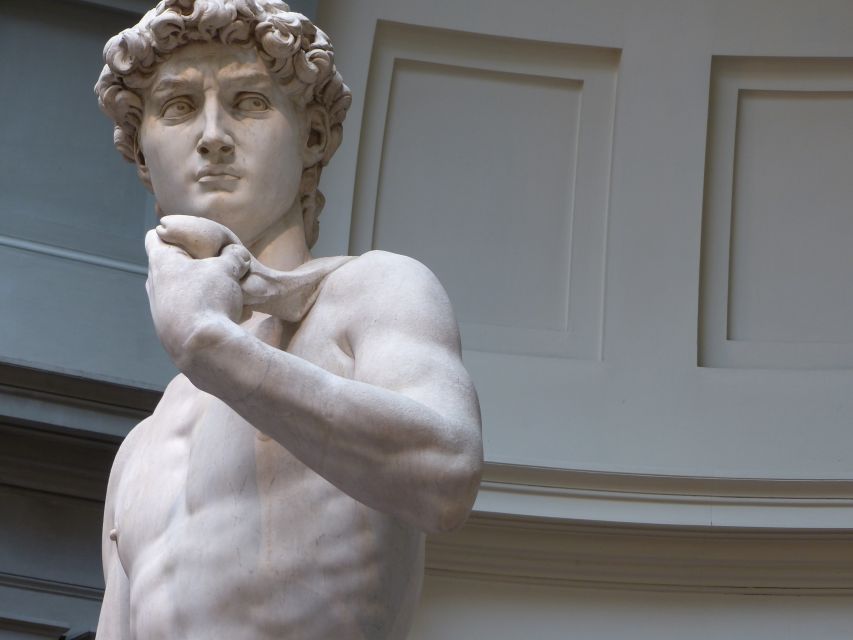
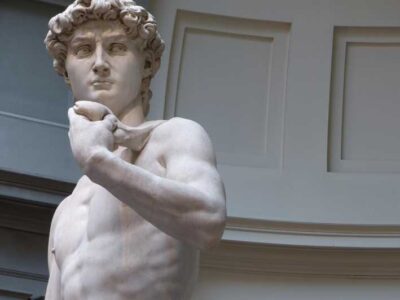
David is often reduced to a single fact: it is a famous statue. In person, the sculpture rewards closer attention. Your guide can direct you toward the artistic choices, the details, and the stories behind the work. The supplied experience promises secrets and entertaining anecdotes, so the tone is meant to be more lively than a formal lecture.
That matters because the Accademia’s main room can be overwhelming. You may have only a short time with David before the crowd shifts around you. A guide helps you focus on what deserves your attention instead of trying to take in every part of the figure at once.
The statue also carries a special local meaning. David is described as the symbol of Florence, not simply as a masterpiece displayed in the city. A good explanation connects the work to Florence’s identity and helps you understand why the sculpture has such weight here.
You should keep your expectations realistic. A 70-minute tour cannot cover every detail of Michelangelo’s career or give you extended quiet time in front of the statue. If David is one of your main reasons for coming to Florence, you may want to return to the museum independently after the guided visit, if your ticket conditions allow it. The provided details do not promise extra time or reentry, so treat the tour as a focused visit rather than a full afternoon at the Accademia.
More museums and galleries in Florence:
- Florence: Skip-The-Line Uffizi Gallery Timed Entry Ticket
★ 4.5 · 27,832 reviews - Florence: Leonardo Interactive Museum Entry Ticket
★ 4.5 · 11,763 reviews - Uffizi Gallery Small Group Tour with Guide
★ 4.5 · 4,923 reviews - Florence: Accademia Gallery Guided Tour
★ 4.6 · 4,156 reviews
What the guides add to the visit
The guide is central to the value of this experience. Without the commentary, the Stradivarius and first modern piano could be easy to pass by, and David could become a quick photo stop.
Elisabetta received especially strong praise for keeping the group engaged and bringing history to life. That points to a guide who does more than recite dates. Her role is to make the objects feel connected to people, place, and artistic choices.
Leonardo was praised for his passion for Florence and for drawing attention to interesting details in the exhibits. His local connection gave the tour a personal feel, and he was also willing to take a group photo when asked. That last point is small but practical. You can ask your guide for a picture rather than trying to manage a selfie near a crowded display.
Another guide was described as a fountain of information who offered almost nonstop commentary and small insights. That may suit you if you enjoy a steady stream of facts. It could feel like a lot if you prefer long periods of silence, so keep in mind that this is a commentary-led visit.
The strongest pattern is clear: the guides are valued for energy, personal connection, and detail. The experience works best when you want help interpreting what you see, not when you want to wander at your own speed.
A small group of no more than nine
The group limit is one of the tour’s practical strengths. Nine people is small enough for the guide’s voice to remain useful in museum rooms, while still allowing the tour to operate as a shared experience.
A smaller group also makes questions easier. If you want to ask about Michelangelo’s technique, the violin’s maker, or the history of the piano, you are less likely to feel lost in a large crowd. The guide can also respond to the group’s interests instead of delivering a completely fixed talk.
The tradeoff is that a small-group tour may sell out more easily than a large scheduled visit. The details provided do not state how often it runs or how many departures are offered, so check the date you want before building the rest of your Florence plans around it.
The tour is offered in English only. That is useful if you want a fully English commentary, but it will not suit you if you need another language.
Is $80 good value?
At $80 per person, this is not the cheapest way to see the Accademia. The price covers admission with skip-the-line entry and a professional certified guide. You are paying for a smoother arrival, a planned route, and explanations that connect the instruments and sculptures.
I think the price is easiest to justify during a busy period, when avoiding the ticket line saves valuable time. It is also more appealing if you are visiting Florence for a short stay and do not want to spend part of the day working out how to enter the museum or which rooms deserve attention.
The value is less clear if you already know the Accademia well, prefer to read museum labels on your own, or want several hours with the collection. In that case, the guided structure may feel restrictive, and the 70-minute format may be too brief for the money.
For a first visit, the unusual music collection improves the calculation. You are not paying only for a direct route to David. You are getting an explanation of pieces that are easy to overlook, followed by the museum’s most important Michelangelo works.
The booking terms also reduce some risk. You can cancel up to 24 hours before the activity for a full refund, and you can reserve now while paying later. Those options help if your Florence schedule is still shifting.
Timing, pace, and what to expect
The stated duration is 70 minutes. The tour description also refers to a 1.5-hour small-group tour, so you should confirm the exact duration shown for your selected date when booking. Either way, plan for a compact museum visit rather than an open-ended stay.
The pace should be steady. You will begin with the musical instruments, then move toward the Michelangelo rooms and David. The guide will provide commentary and direct your attention to selected works rather than stopping at every object.
Wear comfortable shoes, as you will be standing and walking through the museum. The supplied details do not provide a specific accessibility statement, so contact the operator directly if you need confirmed information about step-free access, seating, or mobility arrangements.
The starting time is 3:15 PM, with a 3:00 PM meeting. Do not arrive at the last minute. The meeting point is specific, but busy museum entrances can make a guide harder to spot if you are rushing.
Who should book this tour?
I would choose this experience if you are visiting the Accademia for the first time and want a clear, efficient introduction. It is especially suitable if you enjoy art but do not want to spend hours reading labels or planning your own route.
It also suits music lovers and repeat Florence visitors who have already seen David or want a different reason to return. The Stradivarius and early piano give the visit a fresh angle.
Families and mixed-interest groups may benefit from the guide’s stories and the variety of objects. One person can focus on sculpture, another on music, and both have something to follow.
You may want a different arrangement if you dislike fixed times, prefer solitude, or want to study Michelangelo’s works in detail. The tour is short, guided, and focused. That is its strength, but also its limit.
Should you book the Accademia and Stradivarius tour?
Book it if you want skip-the-line convenience, a small group, and a guide who can make the Accademia’s lesser-known musical instruments part of the story. The 1690 Stradivarius and Florence’s first modern piano are the details that make this more than a basic David visit.
At $80, the price is fair for a first-time visitor who values context and a planned route, especially on a crowded day. It is harder to justify if you only want a quick look at David or hope to wander through the museum for several hours.
The best reason to choose it is balance: you get the statue everyone comes to see, plus two unusual objects that many people miss. Just arrive at the 3:00 PM meeting point, allow for the sharp 3:15 PM start, and confirm the exact duration before booking.
FAQ
Where does the tour meet?
Meet in front of the main entrance to the Accademia Gallery, beside the ticket office at building number 47, marked in blue.
What time should I arrive?
The meeting time is 3:00 PM. The tour starts sharply at 3:15 PM.
How do I find the guide?
Look for a guide holding a Keys of Italy sign.
How long does the tour last?
The activity information lists a duration of 70 minutes. The tour description also refers to a 1.5-hour visit, so check the duration shown for your chosen date.
What language is the tour offered in?
The live guided tour is offered in English.
How large is the group?
The group is limited to nine participants.
What does the ticket include?
The price includes admission to the Accademia with skip-the-line entry and a professional certified guide.
What happens on the first Sunday of the month?
Admission is free on the first Sunday, but tickets cannot be reserved in advance and entry is not guaranteed.
Recently added around Florence
- Accademia and Uffizi Small-group Guided Tour★ 4.5 · 8 reviews
- The David from Michelangelo.★ 5.0 · 3 reviews
- Combo: Accademia + walking + Uffizi Galleries Guided Tour★ 3.5 · 6 reviews
- The Complete Wine Tour Brunello, Nobile, Chianti wine experience★ 4.0 · 7 reviews
- The Best of Tuscany in 3 Days★ 4.5 · 13 reviews
- The Cooking Lab – Authentic Food Experience★ 5.0 · 113 reviews
- Florence Central Market Food Tour – Private Tour★ 4.0 · 7 reviews
- Family Friendly Florence Private City Tour★ 5.0 · 47 reviews
Accademia Gallery and David Tours, compared.
Timed Entrance Ticket to Michelangelo’s David
Read our review →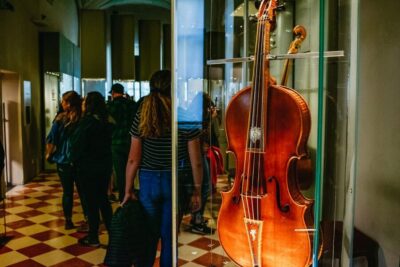
Michelangelo’s David Skip-the-Line Entry Ticket
Read our review →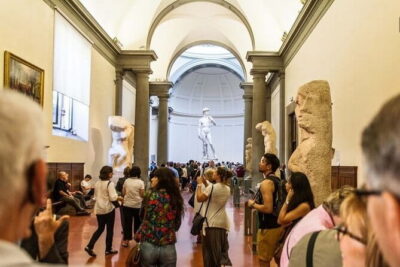
Florence Accademia Gallery Tour with Entrance Ticket Included
Read our review →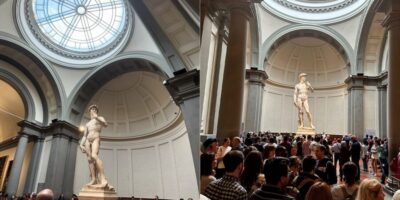
Timed Entry Ticket to Michelangelo’s David & eBook
Read our review →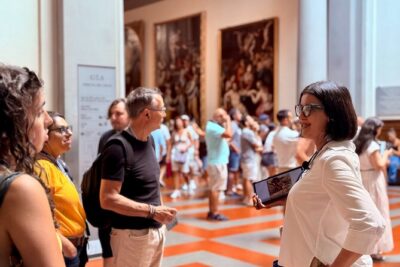
Skip the line: Uffizi and Accademia Small Group Walking Tour
Read our review →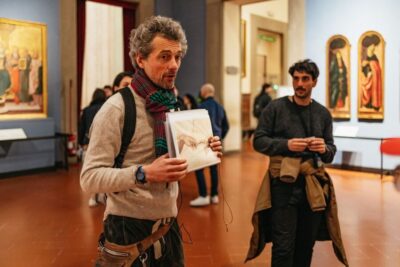
Accademia Gallery Guided Tour with Entry Ticket
Read our review →Browse the lists this tour appears in