
Reviewed · FLORENCE WINE TASTINGS
Wine Tasting Experience with Three Types of Tuscan Wine
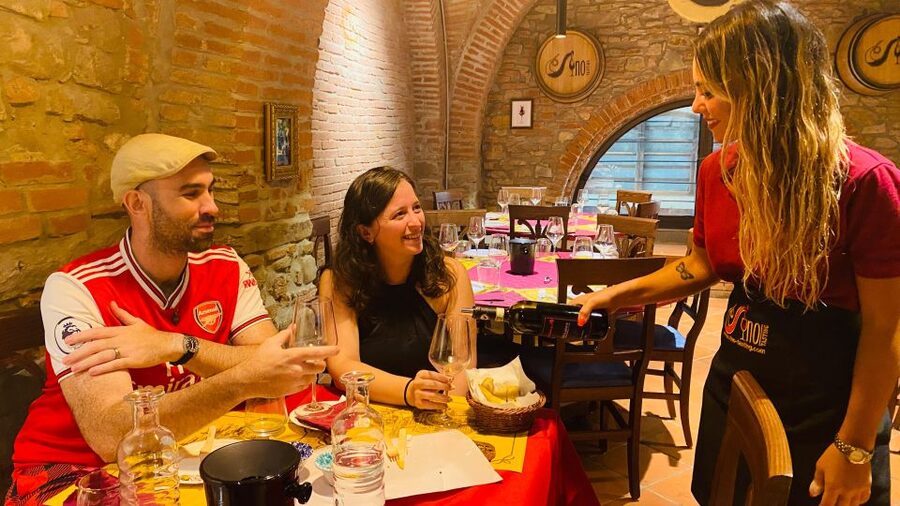
A crisp white, a bold coastal red, and an aged Chianti arrive with a generous plate of Tuscan bites in this one-hour Florence tasting. I like the smart lineup of wines, and I like that you can learn the basics without giving up half a day to a vineyard excursion. Guides including Francesca, Jessica, and Vinci have been praised for clear explanations and warm service.
The main drawback is the short running time. You get a useful introduction, not a slow cellar visit or a full Tuscan winery day. Also, the advertised guide language is Italian, so confirm that the teaching setup suits you before booking.
Key points at a glance
- Three distinct Tuscan styles: Taste Vernaccia or Vermentino, Bolgheri Rosso, and Chianti Classico Riserva.
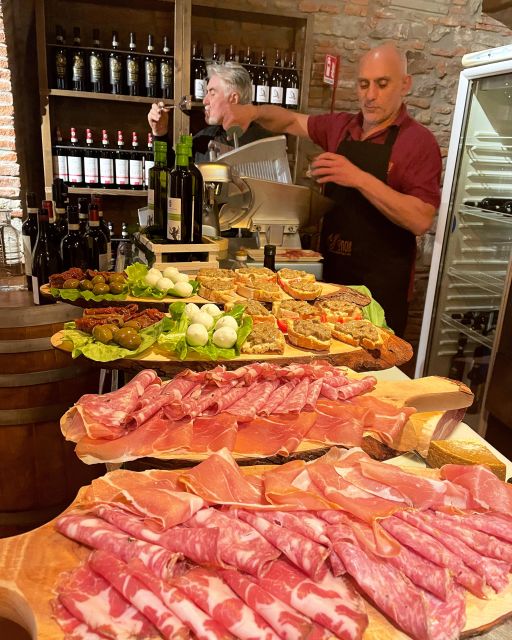
- A proper food pairing: The platter includes olives, bruschetta, salami, prosciutto, and cheese.
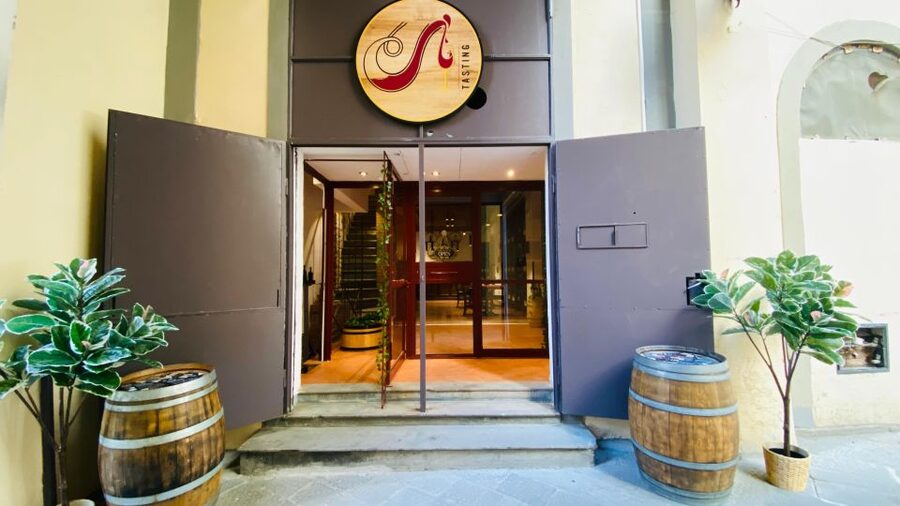
- A central Florence location: The tasting takes place at Vino Tasting Global on Via del Gomitolo dell’Oro, close to Mercato Centrale.
- A useful short format: One hour fits neatly between sightseeing, shopping, and dinner.
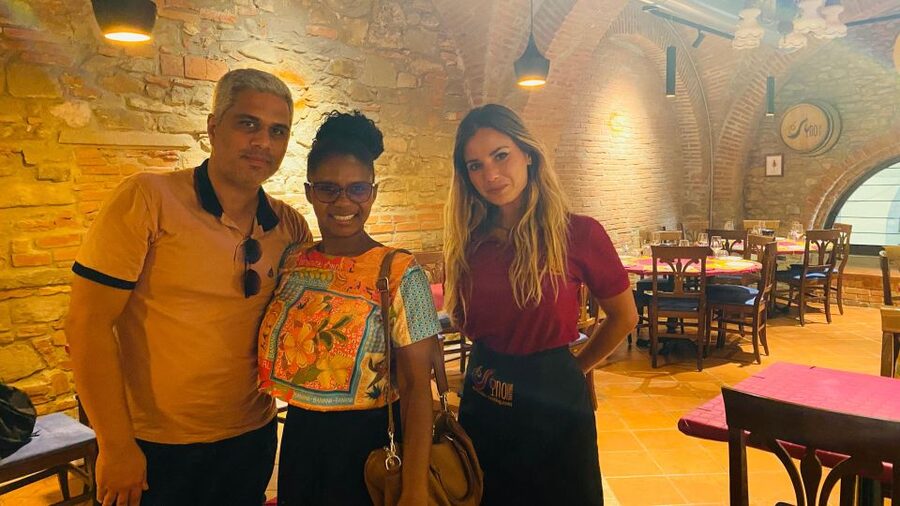
- Friendly individual attention: Guides such as Francesca, Jessica, and Vinci have been singled out for helpful explanations and personal service.
- Flexible booking: You can cancel up to 24 hours ahead for a full refund and reserve without paying immediately.
Three Tuscan wines in one Florence hour
This experience answers a common Florence problem: you want to understand Tuscan wine, but you do not want to spend a day on a bus. The tasting takes place in the city, at Vino Tasting Global, so you can fit it into a busy schedule with little disruption.
The plan is simple. You arrive at the meeting point, settle in, and work through three wines with a Tuscan antipasto platter. A guide explains the grapes, the places where the wines are made, and the foods that work best with each glass.
The exact white can be Vernaccia or Vermentino. That small variation matters, since the two wines offer different ways into Tuscan white wine. Vernaccia is known for mineral character and citrus notes. Vermentino is another fresh, coastal-minded choice. You should treat the white as the opening contrast to the heavier reds that follow.
Next comes Bolgheri Rosso. Bolgheri, on Tuscany’s western coast, is associated with red blends that often include Cabernet Sauvignon. Expect a fuller, more forceful style than the first wine, with the structure to stand up to cured meat and savory antipasti.
The final pour is Chianti Classico Riserva. The Riserva designation signals extra aging, giving the wine more developed flavors and smoother tannins than a young red. This is the most formal finish to the tasting, and it gives the guide a good chance to explain how time, grapes, and place affect what you taste.
More wine tastings in Florence:
- Tuscany Day Trip from Florence: Siena, San Gimignano, Pisa and Lunch at a Winery
★ 5.0 · 21,634 reviews - Florence: Pasta Cooking Class with Unlimited Wine
★ 4.9 · 10,285 reviews - Florence: Chianti Wineries Tour with Wine Tasting
★ 4.5 · 8,301 reviews
What happens when you arrive at Via del Gomitolo dell’Oro
The meeting point is Vino Tasting Global Srl at Via del Gomitolo dell’Oro, 11r, 50123 Firenze. The shop is near Mercato Centrale, a useful landmark and an easy pairing with your plans for Florence’s food market.
You should arrive early. The activity has a firm start time, and arriving after the session begins means you cannot join, receive a refund, or move the booking to another time. Bring a valid passport or identification document, since one is required.
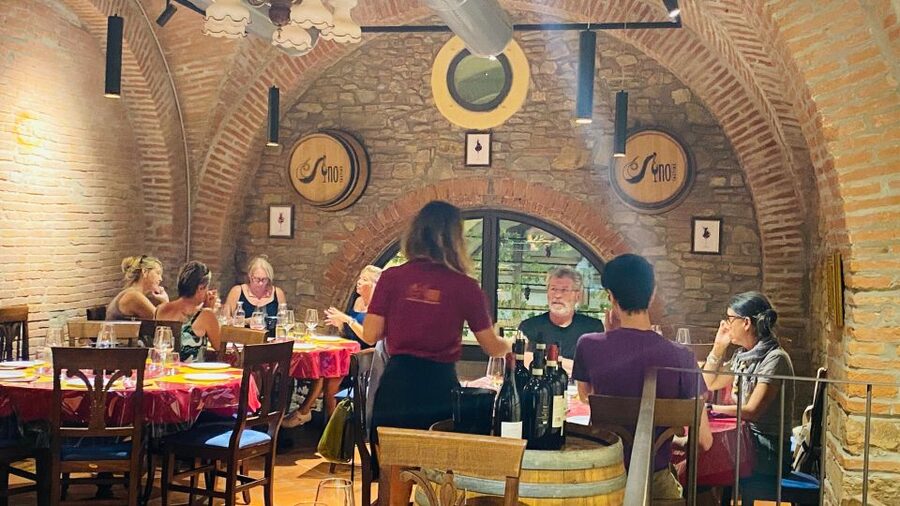
The setting has air conditioning, WiFi, and accessible facilities. That makes the room a practical refuge during Florence’s hot months. One tasting attendee specifically appreciated the cool interior and clean bathrooms in July, details that matter more than you might expect when the streets are baking.
The space has been described as intimate, and the format appears to work well for small groups. That is helpful if you want to ask questions instead of sitting through a large presentation. The exact group size is not stated, so do not book expecting a private tasting unless your confirmation says so.
The white wine opens the lesson
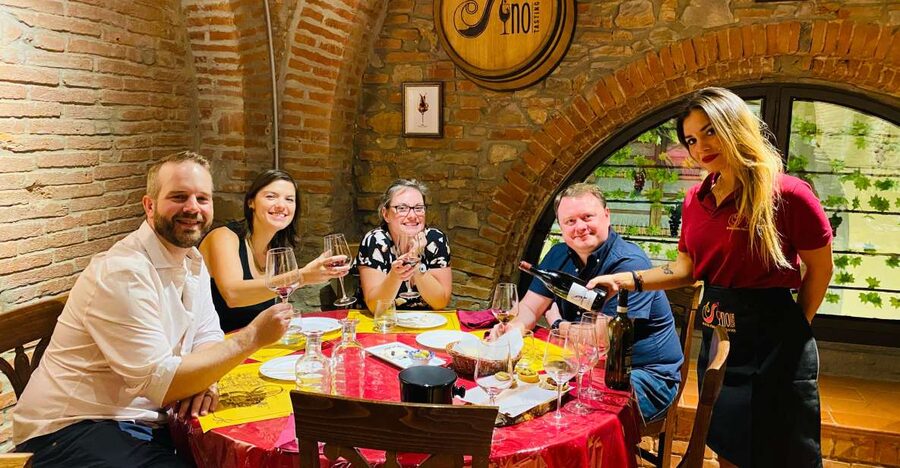
The first glass gives you a clean starting point. Vernaccia brings mineral notes and citrus, while Vermentino offers another fresh Tuscan direction. The point is not simply to identify flavors. You begin to see how white wine can change depending on grape and growing area.
This is where the guide’s teaching style matters. Francesca has been praised for answering many questions, even when she was working with a solo participant. Jessica has also been noted for giving clear detail without making the session feel like a lecture.
You can ask about the grape, the area, and the best foods to serve with it. The platter gives you a chance to test those ideas right away. Try the white with olives or bruschetta first, then notice how the salt and acidity alter the wine.
The tasting does not promise a formal sommelier examination, and that is part of its appeal. You do not need prior wine knowledge. The explanations are aimed at ordinary drinkers who want to order with more confidence at dinner.
Bolgheri Rosso brings the weight
The second wine changes the pace. Bolgheri Rosso is generally more robust and may include Cabernet Sauvignon, so it gives you a chance to compare a structured red with the lighter opening wine.
This is also the point where the food pairing becomes especially useful. Cured meats and prosciutto bring salt and fat. A fuller red can handle those flavors better than a delicate white. The guide can show you how a pairing is not just a matter of matching red wine with meat. The texture, salt, acidity, and strength of both the food and wine matter.
One of the pleasures of this format is that you do not have to accept a wine as your favorite simply because it is on the table. At one tasting, a guide noticed that a participant did not enjoy one wine and suggested another option that worked better. That kind of adjustment is valuable, especially for people who are still learning what styles they like.
The supplied details do not promise alternate bottles for every session, so do not count on a replacement pour. Still, the staff’s willingness to discuss preferences makes it worth speaking up politely if a wine is not for you.
More food and market tours in Florence:
- Small-Group Wine Tasting Experience in the Tuscan Countryside
★ 5.0 · 7,392 reviews - SMALL-GROUP Wine Safaris: Tuscan Wine Tasting Tours from Florence
★ 5.0 · 5,088 reviews - Winner 2025 Florence Sunset Food & Wine Tour by Eating Europe
★ 5.0 · 5,015 reviews - San Gimignano, Siena, Monteriggioni, Chianti Day Trip with Lunch & Wine Tasting
★ 4.5 · 4,432 reviews
Chianti Classico Riserva finishes with age
The last wine is Chianti Classico Riserva, presented as the most developed bottle of the three. Extended aging can soften tannins and bring more complex flavors, making this a useful comparison with the younger, bolder Bolgheri Rosso.
For someone who knows Chianti only as a basic red served with pasta, this is a chance to see a more refined side of the region. The guide can explain the difference between a broad Chianti reference and the Chianti Classico area, as well as why a Riserva may taste more rounded and layered.
Do not expect a complete lesson on every Tuscan appellation in one hour. The strength of this session is its focus. You receive three reference points, then leave with a better sense of the difference between a fresh white, a strong red blend, and an aged Chianti.
The wines served can vary. One account describes a white and two reds similar to each other, while another describes one white, one rosé, and one red. The stated program centers on Vernaccia or Vermentino, Bolgheri Rosso, and Chianti Classico Riserva, but the precise pours may change. If a particular bottle is essential to you, ask when booking.
The antipasto plate is more than a snack
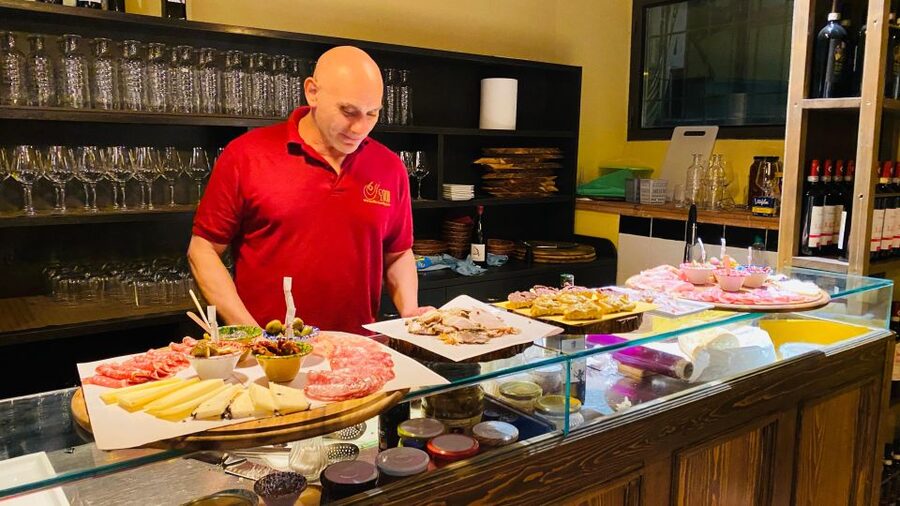
The food portion adds real value to the $41 price. You receive a platter of Tuscan appetizers, including Italian olives, bruschetta, salami, prosciutto, and cheese. This is not a full meal, but it is more substantial than a few crackers placed beside the glasses.
The food also turns the tasting into a practical lesson. You can see why a white works with bruschetta, why a red handles salami, and how prosciutto changes the finish of a wine. The guide may offer more of a favorite item, depending on the session and the available food.
If you eat vegetarian or gluten-free, request that menu when booking. Allergies and intolerances should be reported both during booking and before the tasting. The experience is not recommended for people with food allergies, so anyone with a serious allergy should weigh the risk carefully rather than relying on a last-minute request.
Children can receive Coca-Cola, Fanta, or Sprite instead of alcoholic drinks. The stated drinking-age rule says alcoholic beverages are available only to participants aged 17 and above. Bring identification if your age may need to be checked.
What the guides add to the hour
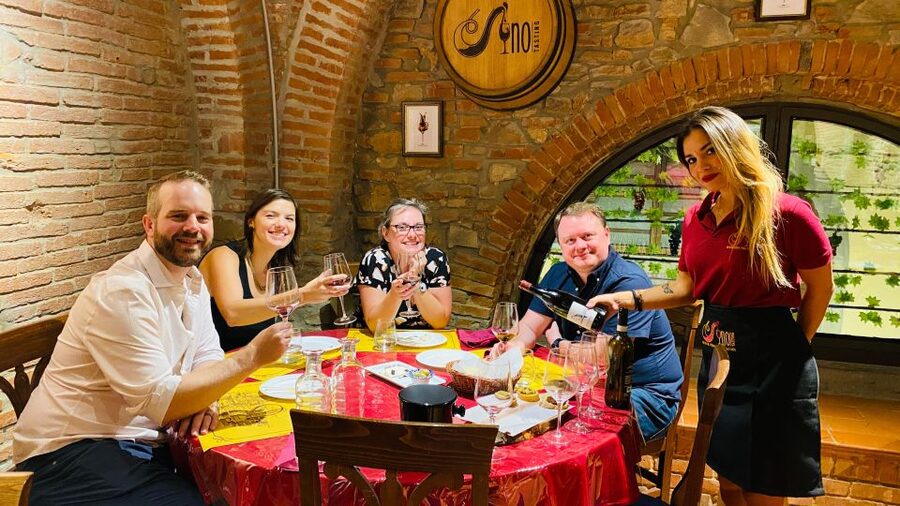
A short tasting succeeds or fails on the guide. The wine itself is only part of the value. Francesca, Jessica, and Vinci are the names most often associated with this experience, and each has been praised for warmth, clear explanations, and attention to individual tastes.
Francesca has been described as especially good at answering questions and making a solo participant feel included. Jessica’s strength is giving useful detail without making the session dull. Vinci has been praised for explaining wine with enthusiasm and for making a last-minute booking feel worthwhile.
The activity information lists Italian as the guide language. That is the practical point to clarify before you pay. The available details do not promise English guiding, even though several English-speaking participants clearly received useful service. Ask the provider what language will be used for your date.
You may also hear about olive oil and Florence during the session. One account included explanations of wine, olive oil, and local history. These additions can make the hour feel broader than a simple three-glass tasting, but they should be treated as possible extras rather than guaranteed parts of every booking.
Why the $41 price can make sense
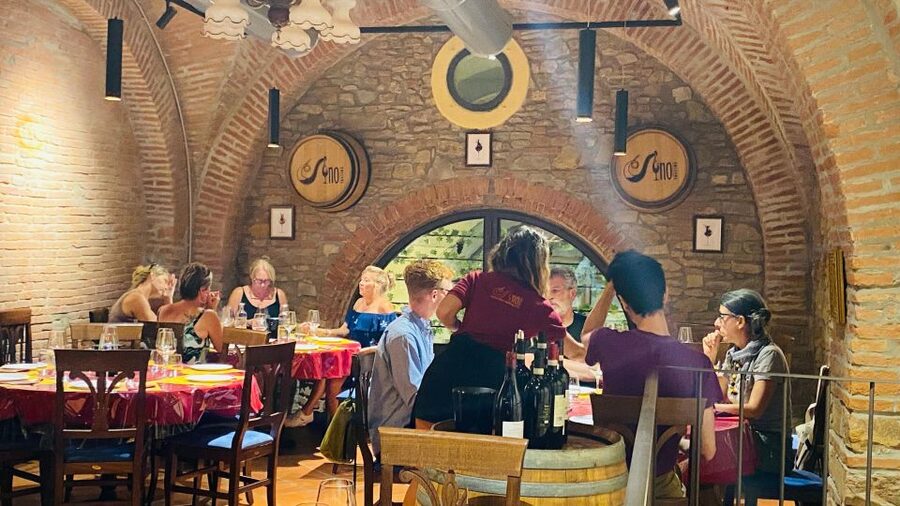
At $41 per person, this is not the cheapest way to drink wine in Florence. You could order a glass at a bar for less. That comparison misses the main value, though. Here you receive three wines, a food platter, a guide-led class, and a central location without paying for transport to the countryside.
The price makes the most sense for a first visit to Tuscany. You get enough explanation to understand a restaurant wine list and enough food to make the hour feel like an activity, not a sales pitch. The convenience is important. You avoid a long transfer and keep the rest of your day open.
It is also a good choice after missing a larger Chianti excursion. One participant booked at the last minute after missing a planned wine tour and still found the city tasting satisfying. That is the role this experience fills: not a replacement for vineyard visits, but a compact introduction with solid local flavor.
If you already know Tuscan wine well, the hour may feel basic. You will not visit a vineyard, walk through cellars, or study several producers in depth. For experienced wine collectors, the appeal is more likely to be the selection, setting, and easy schedule than new technical information.
When to fit it into your Florence plans
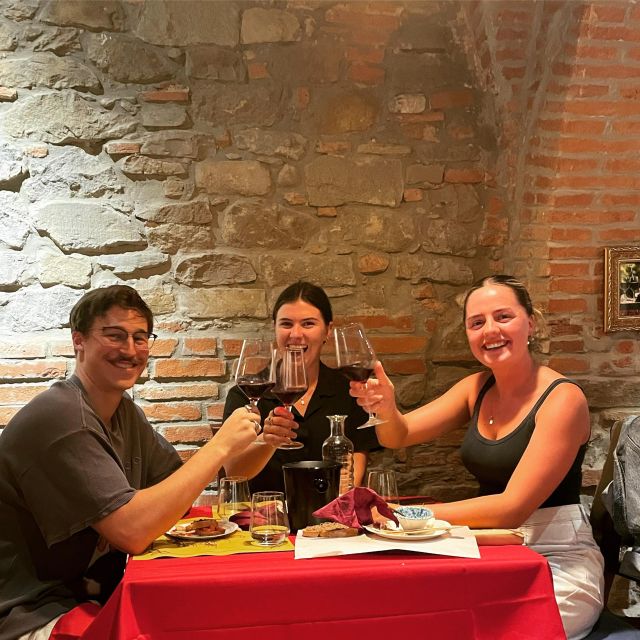
The one-hour length gives you several good options. Book it before dinner if you want the antipasti to lead naturally into a meal. Put it near a visit to Mercato Centrale if you are already exploring the market area. In summer, an afternoon slot offers an air-conditioned break from the heat.
The session returns to the same Vino Tasting Global location, so you do not need to arrange transport between stops. Hotel pickup and drop-off are not included. Plan your own route and leave enough time to find the address.
This is not a countryside tour. You will not see vineyards outside Florence, and no transport to a winery is included. You are paying for access to Tuscan wine and guidance in the city, which is exactly why the experience works for a tight itinerary.
The activity is wheelchair accessible, and the space has air conditioning and WiFi. Pregnant participants should not book, since wine is central to the experience. The provider also lists people with food allergies among those for whom the activity is not suitable.
Who should book this tasting
I would point first-time Florence visitors toward this tasting if they want a quick introduction to regional wine. It also suits solo participants, couples, and small groups who prefer conversation and questions over a large coach excursion.
Non-specialty wine drinkers should feel comfortable here. The lesson starts with familiar ideas, then builds through three different styles. You do not need to know grape names in advance.
Food-focused visitors will also get good use from the platter, especially if you plan to continue to Mercato Centrale afterward. The chance to taste wine with olives, bruschetta, salami, prosciutto, and cheese gives the experience a clear Tuscan identity.
I would choose a longer vineyard tour instead if you want rural scenery, cellar visits, or a full-day look at production. This tasting is about efficiency and education in central Florence, not countryside atmosphere.
Practical details to know before booking
The activity costs $41 per person and lasts one hour. It begins and ends at Vino Tasting Global Srl, Via del Gomitolo dell’Oro, 11r, Florence.
A certified guide, the tasting class, three types of Tuscan wine, and the antipasto platter are included. Other food and drinks are not included, although children can receive Coca-Cola, Fanta, or Sprite.
The experience needs a minimum number of participants to operate. Confirmation is provided at booking, and the reserve-now, pay-later option can help if your schedule is still moving. You can cancel up to 24 hours before the start time for a full refund.
Most important, arrive before the start time and carry your passport or ID. A late arrival cannot join the session and will not receive a refund or rescheduled booking.
Should you book it?
Book this experience if you want three useful Tuscan wine reference points, a generous antipasto plate, and clear guidance without surrendering a day to transport. The $41 price is fair for Florence, particularly because the food and instruction are included.
Skip it if you are looking for vineyards, countryside views, or a long technical tasting. Also confirm the guide language and any menu needs before booking. For a short, central, food-friendly introduction to Tuscan wine, this is an efficient choice with very little schedule risk.
FAQ
Where does the wine tasting take place?
It takes place at Vino Tasting Global Srl, Via del Gomitolo dell’Oro, 11r, 50123 Firenze FI, Italy. The session returns to the same location.
How long does the experience last?
The tasting lasts one hour.
Which wines are included?
The stated tasting includes Vernaccia or Vermentino, Bolgheri Rosso, and Chianti Classico Riserva. The exact selection may vary, so ask the provider if one specific wine is important to you.
What food is served?
You receive a Tuscan appetizer platter with Italian olives, bruschetta, salami, prosciutto, and cheese. Vegetarian and gluten-free menus are available on request.
Is the tasting suitable for children?
Children can receive Coca-Cola, Fanta, or Sprite. Alcoholic drinks are available only to participants aged 17 and above, according to the provided activity information.
What happens if I arrive late?
If you arrive after the start time, you cannot join the tasting and will not receive a refund or have the booking rescheduled. Bring a valid passport or ID document.
Recently added around Florence
- Accademia and Uffizi Small-group Guided Tour★ 4.5 · 8 reviews
- The David from Michelangelo.★ 5.0 · 3 reviews
- Combo: Accademia + walking + Uffizi Galleries Guided Tour★ 3.5 · 6 reviews
- The Complete Wine Tour Brunello, Nobile, Chianti wine experience★ 4.0 · 7 reviews
- The Best of Tuscany in 3 Days★ 4.5 · 13 reviews
- The Cooking Lab – Authentic Food Experience★ 5.0 · 113 reviews
- Florence Central Market Food Tour – Private Tour★ 4.0 · 7 reviews
- Family Friendly Florence Private City Tour★ 5.0 · 47 reviews
Florence Wine Tastings, compared.
Tuscany Day Trip from Florence: Siena, San Gimignano, Pisa and Lunch at a Winery
Read our review →
Small-Group Wine Tasting Experience in the Tuscan Countryside
Read our review →
Pasta & Tiramisu Cooking Class with Unlimited Wine
Read our review →
Pisa, Siena and San Gimignano Day Trip with Lunch & Wine Pairing
Read our review →
SMALL-GROUP Wine Safaris: Tuscan Wine Tasting Tours from Florence
Read our review →Browse the lists this tour appears in