
Reviewed · FLORENCE ARTISAN WORKSHOPS
Palette Knife Painting Class Florence
Palette-knife painting turns a quiet Florence afternoon into hands-on creative time. At Geko Art Studio, you’ll work with oil paints, spread color directly onto canvas, and build texture with a metal blade rather than a brush. I like the small groups of up to eight and the patient, personal teaching described by students, including instructors such as Katerina and host Rosanna.
I also like that the class welcomes complete beginners while still giving experienced artists room to experiment. The main consideration is practical: oil paint dries slowly, so your finished work may need to be shipped home rather than carried straight onto your flight.
Key points at a glance
- Three hours in a local Florence atelier: You get focused studio time instead of a quick tourist craft session.
- Palette knife rather than brush: Learn to spread, layer, scrape, and shape oil paint for a textured result.
- Small class size: With no more than eight participants, you can ask questions and receive individual help.
- Patient instruction: Katerina and other local artists guide beginners step by step while allowing experienced painters to follow their own style.
- A 20-by-20-centimeter canvas is included: Oil paints, tools, and a snack with water, juice, or coffee are also provided.
- Plan for the wet painting: Shipping costs extra, and you may need delivery if you want to take the artwork home safely.
A creative afternoon across the Arno
This class gives you a different way to experience Florence. Instead of spending another few hours moving through churches and museums, you cross the Arno and settle into a working art studio. The setting is part of the appeal: this is a small atelier, not a large production workshop built around a quick photo and a souvenir.
Geko Art Studio is described as easy to find, and one participant reached it by bus number 23. The exact meeting point and transport arrangements should still be checked after booking, since getting to and from the atelier is not included.
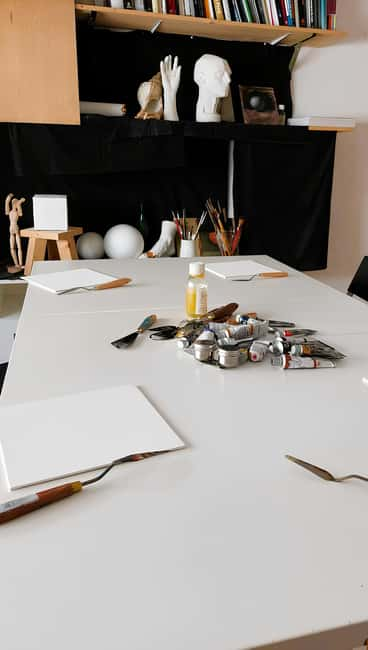
The studio itself has received strong praise for being quiet, well equipped, and well lit. One class takes place in a small upper-floor room with good natural light, a useful feature when you are trying to judge subtle changes in color and texture. The room may feel intimate rather than spacious, but that suits a lesson where the instructor needs to watch your hand and respond to your work.
The class lasts three hours. That is long enough to learn the basic motions, work through a painting, and make changes without feeling rushed. It is also short enough to fit neatly into a Florence itinerary. You can usually choose a morning session from 10 a.m. to 1 p.m. or an afternoon session from 2 p.m. to 5 p.m. A 5:30 p.m. to 8:30 p.m. class is sometimes available.
The time is arranged personally with the studio after booking. If your schedule is tight, contact Geko Art Studio promptly rather than assuming the time shown during booking is final.
More artisan workshops in Florence:
- Florence: Perfume Masterclass and Sensory Experience
★ 4.7 · 463 reviews - Perfume Masterclass in Florence: Make your Own Personal Fragrance
★ 4.5 · 253 reviews - Handmade Tuscan Ceramics Masterclass in Montelupo
★ 5.0 · 205 reviews
What palette-knife painting feels like
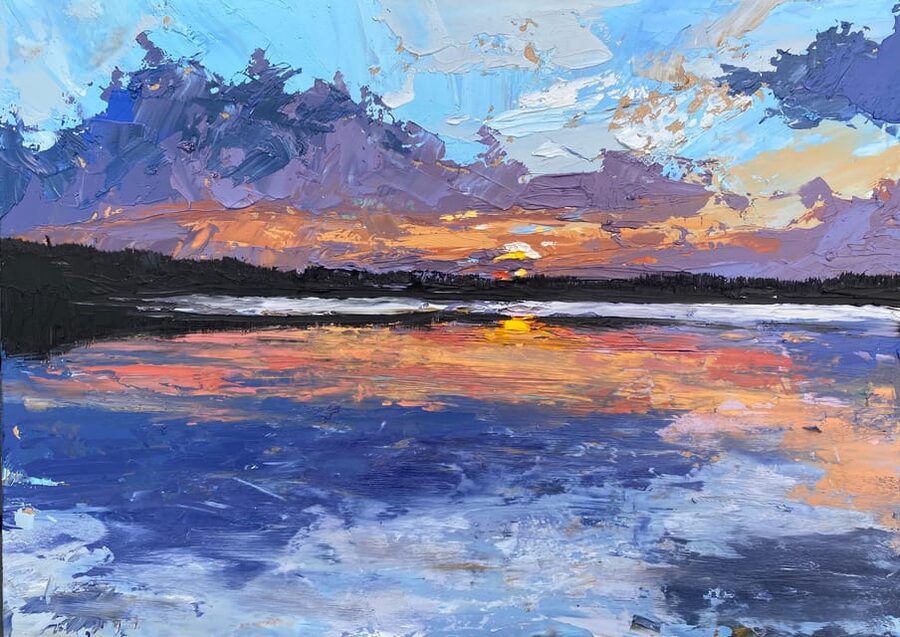
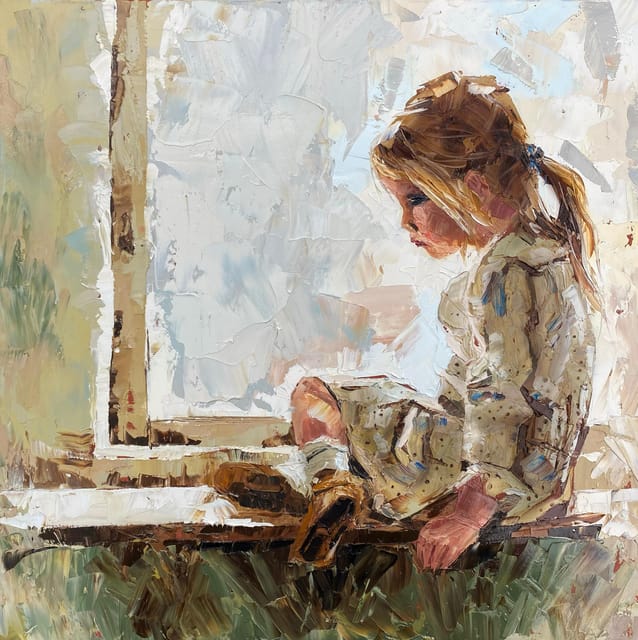
A palette knife gives you a different relationship with paint. Instead of brushing color into smooth areas, you press, drag, scrape, and layer it across the canvas. The result can show the marks of the tool, with raised ridges and broken patches of color that give the painting a strong physical quality.
You will learn how to mix oil colors and use them to create depth and dimension. The aim is not simply to copy a picture. You are learning how paint behaves when it is placed in thicker layers and shaped with the edge or flat side of a knife.
For a first-time painter, this can be less intimidating than it sounds. You do not need to arrive knowing how to draw or mix colors. The instructor guides you through the process, and the small canvas keeps the project manageable.
Still, palette-knife work has a learning curve. One participant wished for more practice strokes on paper before beginning the first canvas, along with a fuller explanation of different ways to hold the knife. That is useful advice. If you are new to the tool, ask for a few test marks before committing paint to the canvas.
This is also a good class for someone with prior training. An experienced painter used the session to ask specific questions about personal style and painting problems, and left with new skills. You are not locked into a single polished result. The technique allows you to keep a recognizable subject or push the work toward abstraction.
A typical three-hour class
The exact lesson can vary with the instructor and your pace, but the supplied details and class experiences point to a clear structure.
Getting settled with the materials
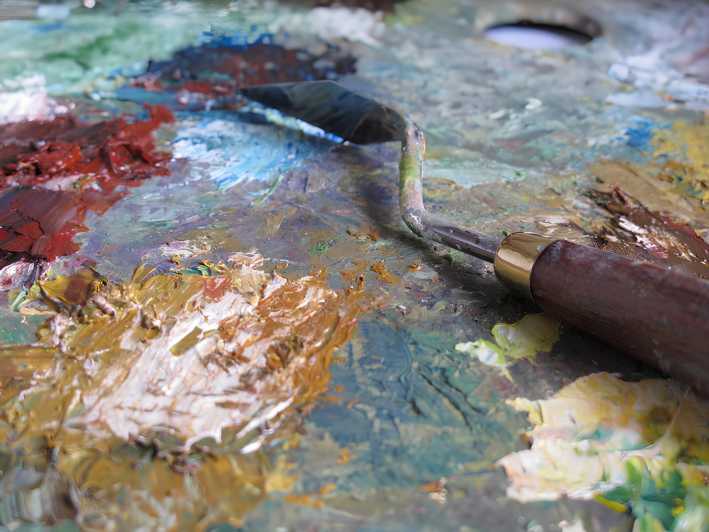
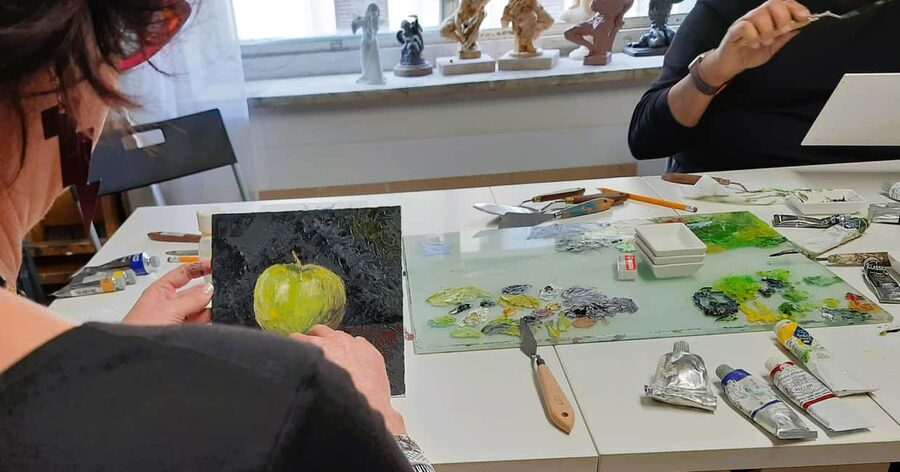
The studio supplies oil paints, a palette knife, and a 20-by-20-centimeter canvas panel. The instructor introduces the tools and explains how to handle the paint. You will likely spend part of this opening period looking at color choices and learning how much paint to place on the knife.
A passport or identity card is required, so keep one with you. Children under 12 cannot take the class. The group limit of eight helps keep the opening explanation from becoming a one-way lecture. You can ask about your own painting rather than waiting for help in a crowded room.
A completely different way to spend an afternoon in Florence:
- Florence: Skip-The-Line Uffizi Gallery Timed Entry Ticket
★ 4.5 · 27,832 reviews - Tuscany Day Trip from Florence: Siena, San Gimignano, Pisa and Lunch at a Winery
★ 5.0 · 21,634 reviews - Florence: Timed Entrance Ticket to Michelangelo’s David
★ 4.6 · 16,983 reviews - Florence: Michelangelo’s David Skip-the-Line Entry Ticket
★ 4.5 · 12,764 reviews
Learning to mix and apply color
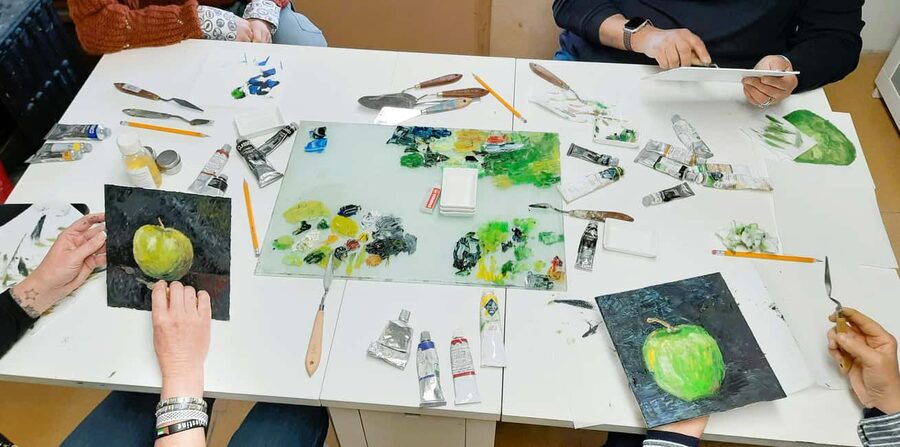
The central lesson is practical. You will mix oil colors, place paint on the canvas, and use the knife to spread and shape it. The instructor can help you create darker and lighter areas, build layers, and suggest ways to make the subject feel less flat.
One particularly useful detail from the class experience is that the instructor may anticipate which colors you need and prepare them on the palette board. That lets you spend more time painting and less time searching for a workable mixture.
If you are a beginner, pay close attention to the pressure of your hand. A light touch can leave a thin broken mark, while a heavier pass deposits more paint and creates a raised ridge. Asking the instructor to demonstrate the same motion several times is sensible, especially if you have never used a palette knife.
Working from a still life
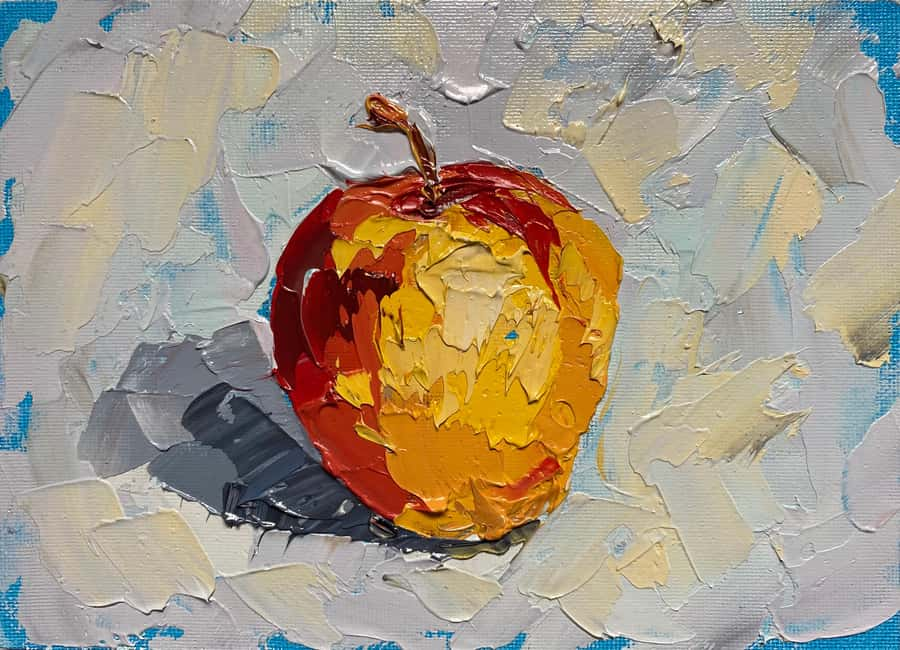
A still life has been used as the subject, with a small canvas for sketching before the painting begins. This gives you a clear target without requiring you to invent a scene from nothing.
The modest canvas size is a practical choice. At 20 by 20 centimeters, it can be completed within the session and is easier to pack than a large framed work. The tradeoff is that you have less room for broad gestures and large compositions. If you like working big, ask about purchasing an additional canvas panel. Extra panels are not included.
Some sessions have included a second still life and a second canvas. Treat that as a possible teaching variation, not a guaranteed part of every booking. The most dependable expectation is one included canvas and a guided oil-painting lesson.
A pause for coffee and something sweet
A break is included, with water, juice, or coffee and a snack. One memorable version of the break involved stepping into a bakery next door for coffee and a sweet treat. That adds a pleasant local touch and gives your eyes a rest before you return to the canvas.
The pause also helps the class feel like an afternoon in Florence rather than a strict technical workshop. Still, the main value remains the instruction and studio time, not the snack. If you have dietary needs, ask the provider before the session because no special options are specified.
Refining the painting
The final part is where the process becomes personal. You can adjust edges, add darker passages, strengthen color, or allow the original subject to become more abstract. The instructors are described as calm and encouraging, with room for individual style rather than insisting that every canvas look the same.
This matters for beginners. You may arrive expecting a perfect copy of the example and discover that your marks look different. That is normal with palette-knife painting. Ask for help with specific areas, but allow some of your own decisions to remain visible.
The instructor can also help you judge when to stop. Oil paint makes it easy to keep adding layers, but more paint is not always better. A good lesson should leave you with a finished study and a clearer sense of how to continue at home.
The teachers and the small-group advantage
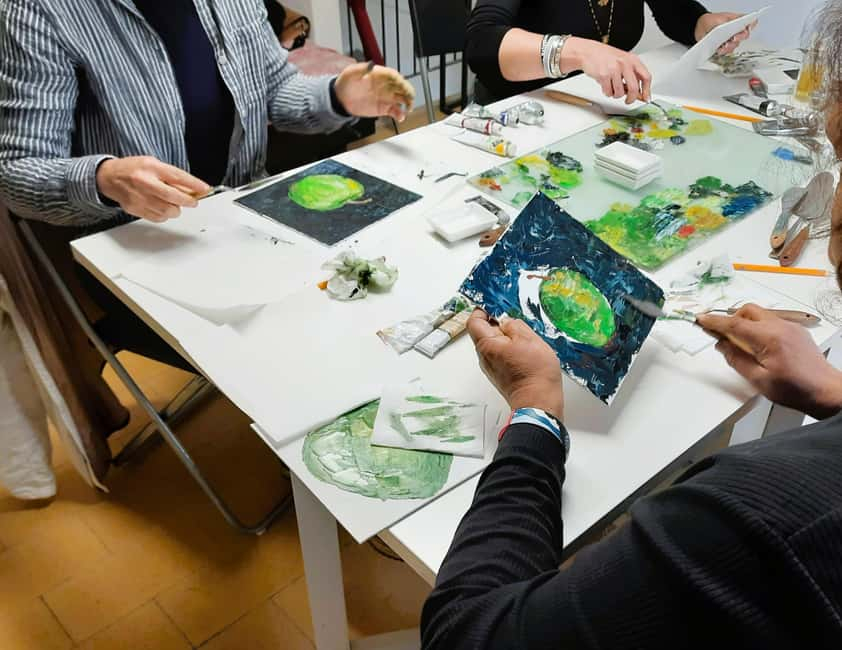
The class uses English and Italian, with Spanish, Greek, and Chinese available when the right teacher is free. The language choice is not guaranteed automatically, so book at least three days ahead if instruction in Spanish, Greek, or Chinese matters to you.
Katerina is named as an instructor, and her approach is described as clear, intentional, patient, and open to personal style. Rosanna is associated with the warm welcome and studio hosting. Other artists may teach as well, so your exact instructor can vary.
The group limit is eight, but some sessions may feel close to one-on-one instruction. That is especially valuable when you are learning hand pressure, paint thickness, and color mixing. You can ask a precise question about your own canvas instead of receiving only a general demonstration.
The class also works well as a gift. A parent who arranged the workshop for her daughter returned to the studio for a second annual gift, suggesting that the atmosphere suits a special occasion as well as a casual holiday activity.
Is $182 a fair price?
At $182 per person, this is not a cheap drop-in craft class. The price makes more sense if you value personal guidance, a small group, a local studio setting, and all the basic materials supplied.
You are paying for three hours of instruction, oil paints, a palette knife, a canvas panel, and a drink or snack. The class also gives you a finished piece to keep, though shipping is extra and the painting may still be wet. Compared with buying materials and arranging a private lesson on your own, the package is reasonably complete.
The value is weaker if you only want a quick souvenir activity or a simple painting to carry home immediately. A 20-by-20-centimeter panel is modest, and the artwork may need several days to dry. Shipping can add to the final cost, especially if you do not want to risk packing wet oil paint.
I would view the price as worthwhile for someone who wants a real introduction to oil painting, not just a Florence-themed keepsake. Experienced artists may also find value in the focused advice, but they should ask in advance how much the lesson can be tailored to their existing level.
Practical details that affect your choice
The class is open to beginners, but the technique is not entirely effortless. If you want a carefully finished painting with no trial and error, this may feel demanding. If you enjoy learning through marks, adjustments, and a little uncertainty, the format is a good match.
Wear clothing you can relax in around oil paint, although no formal clothing rule is provided. Bring your passport or ID card. Transport is not included, and you need to make your own way to the atelier.
The class has a free cancellation policy up to 24 hours before the activity for a full refund. You can also reserve and pay later, which helps if your Florence schedule is still changing.
The studio does not accept children under 12. Language availability can affect the experience, so confirm your preferred language early. English and Italian are listed, while Spanish, Greek, and Chinese depend on teacher availability.
Finally, decide what you will do with the painting. Shipping is not included. If you have a later flight or a long journey ahead, ask the studio about packing and delivery. An instructor has packed paintings for participants to take home, but the paint may remain wet for days.
Who should book this Florence art class?
I would choose this for a solo visitor, couple, or small group looking for a slower, hands-on break from sightseeing. It suits a first-time painter because the instructor leads you through the process and the canvas is small enough to finish.
It also suits an experienced artist who wants to test palette-knife work with a local teacher. The class leaves room for abstraction and personal style, so you do not have to produce a standard copy.
Families with children under 12 need another activity. You should also think twice if you have no room in your luggage or budget for possible shipping. Wet oil paint is part of the medium, not a minor inconvenience.
Should you book the Palette Knife Painting Class?
Book it if you want personal instruction, a quiet studio, and a creative souvenir that you actually make yourself. The strongest reasons are the small class size, patient teaching, and freedom to work at different skill levels.
Skip it if you want a fast, inexpensive craft or a dry painting ready for your suitcase that evening. For most people who enjoy making things, though, three hours at Geko Art Studio offers a welcome change of pace in Florence and a useful introduction to a distinctive painting method.
FAQ
How long does the palette-knife painting class last?
The class lasts three hours.
How much does the experience cost?
The price is $182 per person.
Where does the class take place?
It takes place at Geko Art Studio, a local art atelier in Florence, Tuscany.
What materials are included?
Oil paint colors, a palette knife, and a 20-by-20-centimeter canvas panel are included.
Is food or drink included?
Yes. The class includes a snack with water, juice, or coffee.
Do I need previous painting experience?
No. The instructor guides beginners step by step, and the class also welcomes experienced artists.
What languages may be available?
Instruction is listed in English, Italian, Spanish, Greek, and Chinese. Spanish, Greek, and Chinese depend on teacher availability.
How large is the class?
The group is limited to eight participants.
Can children join the class?
Children under 12 are not permitted to take part.
Can I take my painting home immediately?
The painting may take several days to dry. Shipping is not included, and you may need to arrange delivery if you do not want to carry the wet artwork.
Recently added around Florence
- Accademia and Uffizi Small-group Guided Tour★ 4.5 · 8 reviews
- The David from Michelangelo.★ 5.0 · 3 reviews
- Combo: Accademia + walking + Uffizi Galleries Guided Tour★ 3.5 · 6 reviews
- The Complete Wine Tour Brunello, Nobile, Chianti wine experience★ 4.0 · 7 reviews
- Florence Central Market Food Tour – Private Tour★ 4.0 · 7 reviews
- The Best of Tuscany in 3 Days★ 4.5 · 13 reviews
- The Cooking Lab – Authentic Food Experience★ 5.0 · 113 reviews
- Family Friendly Florence Private City Tour★ 5.0 · 47 reviews
Florence Artisan Workshops, compared.
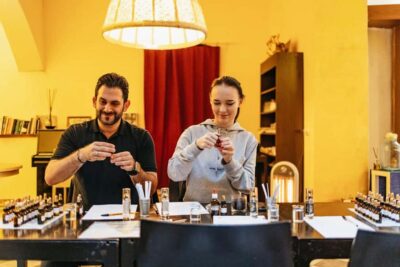
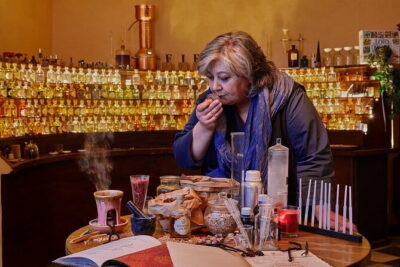
Perfume Masterclass in Florence: Make your Own Personal Fragrance
Read our review →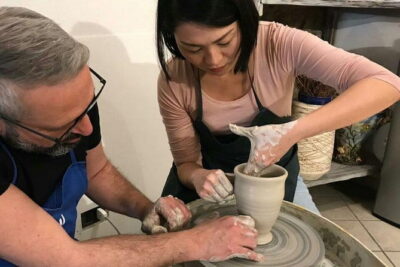
Handmade Tuscan Ceramics Masterclass in Montelupo
Read our review →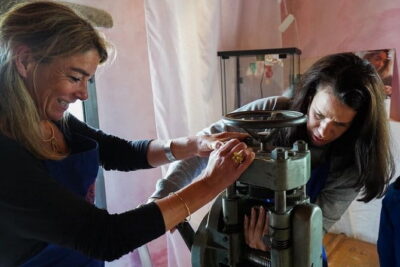
Private jewelry class in Florence, Tuscany, Italy (4 hours)
Read our review →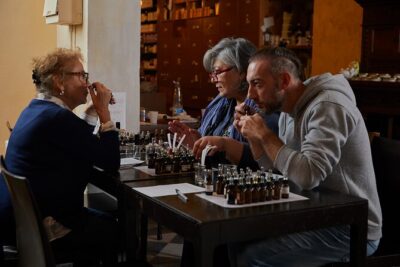
Perfume Making Workshop in the Heart of Florence
Read our review →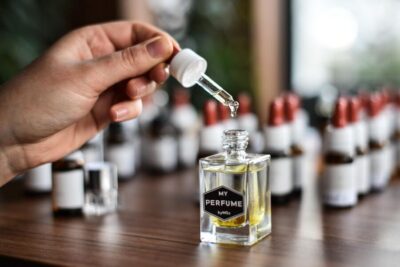
Learn to Sculpt or Paint in a Private Florence Art Studio
Read our review →Browse the lists this tour appears in