
Reviewed · FLORENCE ARTISAN WORKSHOPS
Leather and Passion: A Tour of Florentine Craftsmanship
Florence’s best shopping stories are found behind workshop doors, where leather, ceramics, paintings, and jewelry take shape by hand. This walking tour gives you a look at that working side of the city, not just its famous museums and churches. You may see works connected with Fontana and De Chirico, then watch artisans turn raw materials into finished pieces.
I like the family-run workshops and the chance to see techniques rather than simply browse finished goods. I also like the flexible format: the four-hour option visits four to six workshops, while the two-hour version focuses on two or three. The tradeoff is that specific studios depend on the day and artisan availability, so you cannot count on seeing every craft listed.
Key Points
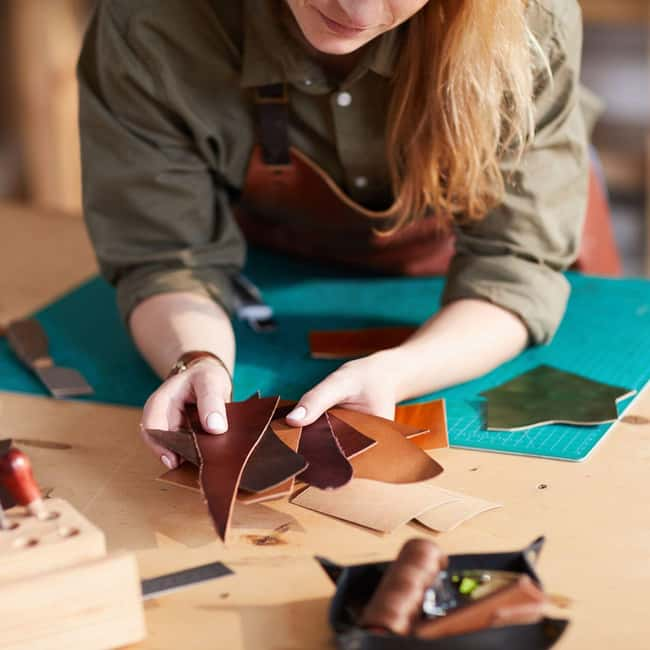
- Leather takes center stage: See artisans create bags, jackets, and accessories in a traditional Florentine workshop.
- The route begins with modern art: Works by artists such as Lucio Fontana and Giorgio de Chirico provide a strong artistic opening.
- Workshop visits vary: The four-hour tour includes four to six stops, while the two-hour tour includes two to three.
- Guides add local context: Vanessa and Enrico have led guests through artisan streets, neighborhood history, food advice, and practical orientation.
- Gelato is included: A sweet stop gives the walking tour an easy finish.
- Plan for city walking: Sneakers are recommended, and the meeting point is the Local Guides Tour agency.
Florence Beyond the Famous Museums
Florence is easy to reduce to a short list: the Uffizi, the Duomo, Michelangelo’s David, and perhaps a leather market. This tour takes a different route through the city’s creative life. You still get an art-focused experience, but the emphasis shifts from famous finished works to the people and processes behind handmade objects.
That change matters. A museum shows you the result. A workshop can show you the tools, materials, mistakes, and patient work that make the result possible. You might watch a leatherworker shape an accessory, a painter work across a canvas, or a jeweler handle gold and other precious metals.
The walk is guided in English or Italian. Guides Vanessa and Enrico are specifically associated with warm, personal tours. Vanessa adds suggestions for food and ice cream, while Enrico has helped a solo participant understand the area well enough to find the way around later. That kind of local orientation can be useful if this is one of your first days in Florence.
More artisan workshops in Florence:
- Florence: Perfume Masterclass and Sensory Experience
★ 4.7 · 463 reviews - Perfume Masterclass in Florence: Make your Own Personal Fragrance
★ 4.5 · 253 reviews - Handmade Tuscan Ceramics Masterclass in Montelupo
★ 5.0 · 205 reviews
Starting With Fontana and De Chirico
The first scheduled stop is a gallery of modern and contemporary art. Works by Lucio Fontana and Giorgio de Chirico set the tone, placing Florentine craft in a wider Italian art story.
This is a smart beginning. It reminds you that Florence is not frozen in the Renaissance. The city has an active relationship with modern creativity, and the gallery gives you a visual reference before you enter the smaller working studios.
Do not expect a full museum visit here. The experience is built around a sequence of stops, not a long, detailed gallery lecture. If you want a focused study of modern Italian art, you will need more time elsewhere. Here, the gallery serves as an artistic introduction before the route turns toward hands-on craft.
A Painter’s Studio in Working Mode
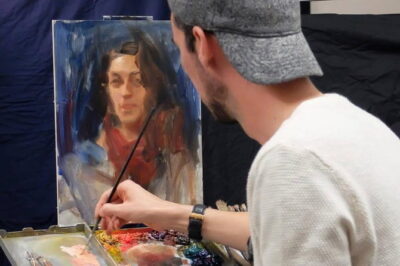
The next part takes you to a painter’s studio. The description centers on the act of painting, with brushwork and inspiration still visible in the setting. That makes the stop more immediate than looking at a painting on a museum wall.
I find this kind of visit useful because it connects a finished image to the person making it. You may gain a better sense of how a Florentine artist uses color, shape, and surface. The precise painter and studio can vary, so keep your expectations open rather than arriving with one named artist in mind.
For anyone who enjoys art but does not want a formal lecture, this can be one of the more approachable sections. You are seeing a working creative space, and the guide can help explain how it fits into the neighborhood and the city’s artistic traditions.
Why the Leather Workshop Matters
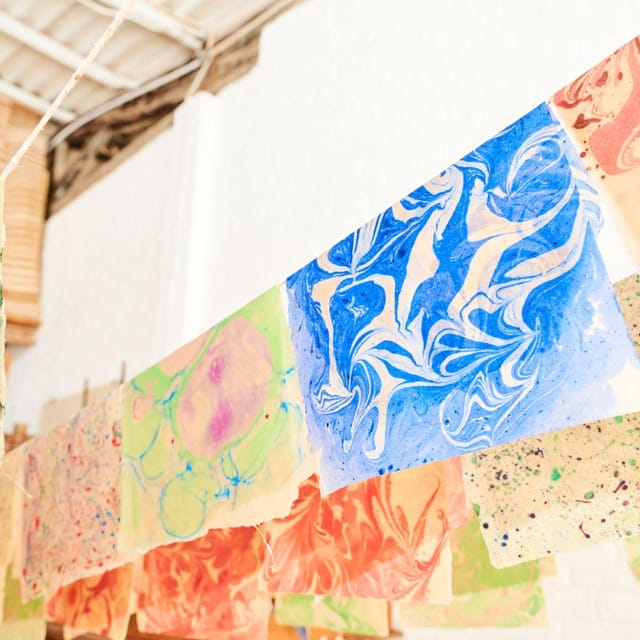
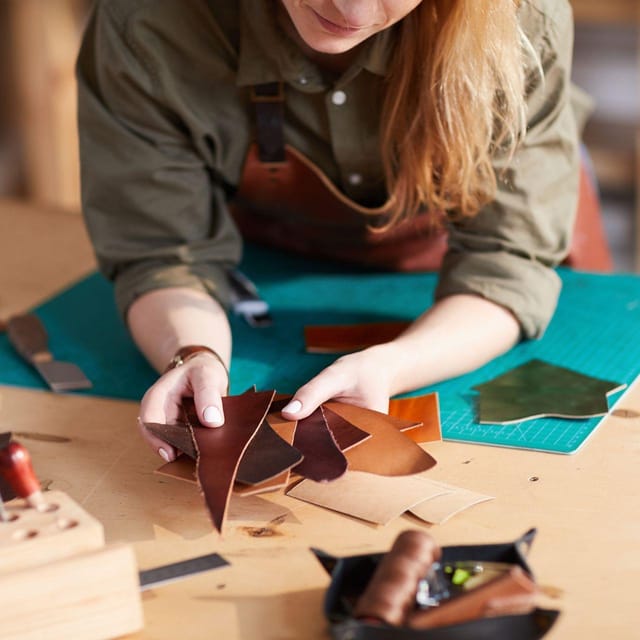
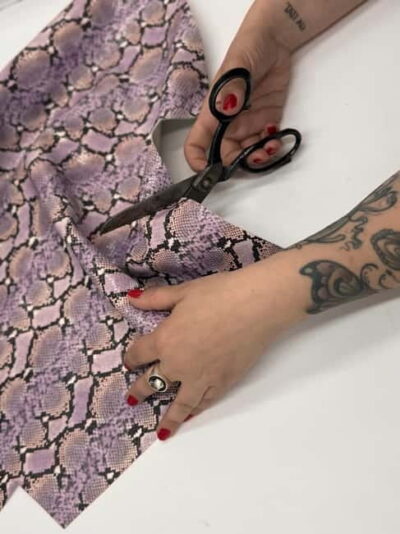
Leather is the strongest draw for many people booking this experience. Florence has a long reputation for leather goods, but a shop full of finished belts and handbags tells you little about how the objects are made. A working leather studio gives you a closer look at the transformation from material to product.
You may see bags, jackets, and accessories being shaped and finished. The point is not only the finished item. It is the handwork, attention to detail, and knowledge of the material.
This stop also has practical value. Florence has plenty of leather for sale, with quality and price varying widely. Seeing an artisan at work can help you understand why one item costs more than another. It will not turn you into an expert buyer in two hours, but it gives you better questions to ask when shopping later.
The leather workshop was the most memorable stop for one participant, and that makes sense. Leather is closely linked with Florence’s commercial identity, yet this visit puts the craft before the sales pitch. The experience is especially useful if you are considering buying a leather item but want more context first.
A completely different way to spend an afternoon in Florence:
- Florence: Skip-The-Line Uffizi Gallery Timed Entry Ticket
★ 4.5 · 27,832 reviews - Tuscany Day Trip from Florence: Siena, San Gimignano, Pisa and Lunch at a Winery
★ 5.0 · 21,634 reviews - Florence: Timed Entrance Ticket to Michelangelo’s David
★ 4.6 · 16,983 reviews - Florence: Michelangelo’s David Skip-the-Line Entry Ticket
★ 4.5 · 12,764 reviews
Ceramics With Old Techniques and New Ideas
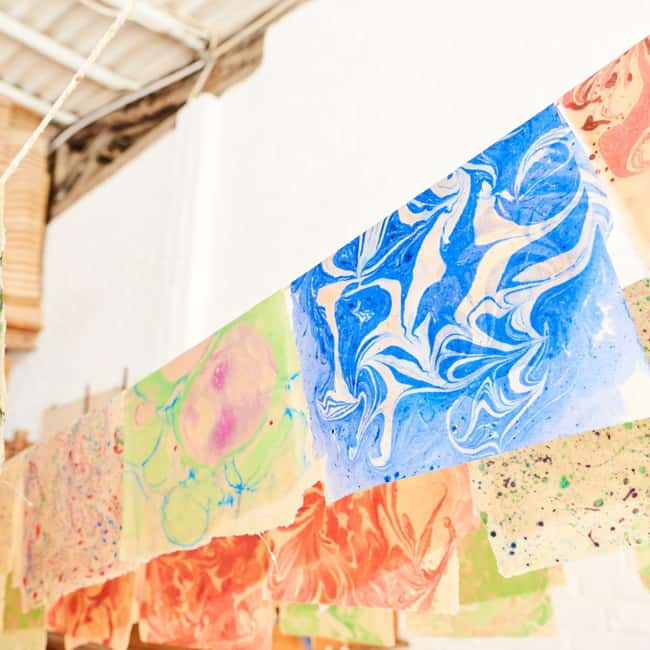
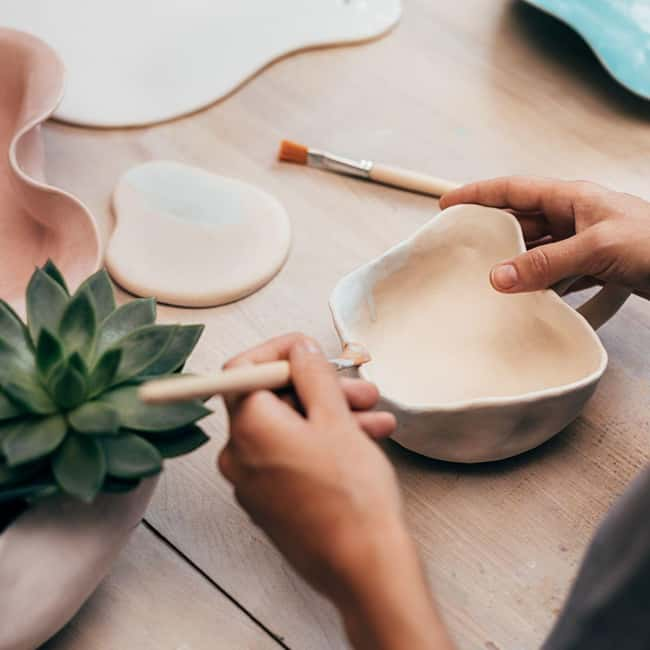
The ceramics workshop adds color and form to the route. Here, traditional methods meet newer ideas, producing pieces that are both useful and decorative.
Ceramics can be easy to overlook when compared with Florence’s major paintings and sculptures. I would not skip this stop, though. Clay shows craft in a very direct way. You can understand the process through the shape, surface, and finish of the object, even if you know little about ceramics.
The workshop format also gives the guide room to explain how older methods continue in a modern setting. Since the exact studio may change, the level of demonstration can vary. Still, the stop offers a useful contrast to leather: one craft works with a flexible natural material, while the other begins with clay and depends on shaping, drying, and finishing.
Goldsmith Work and Florentine Jewelry
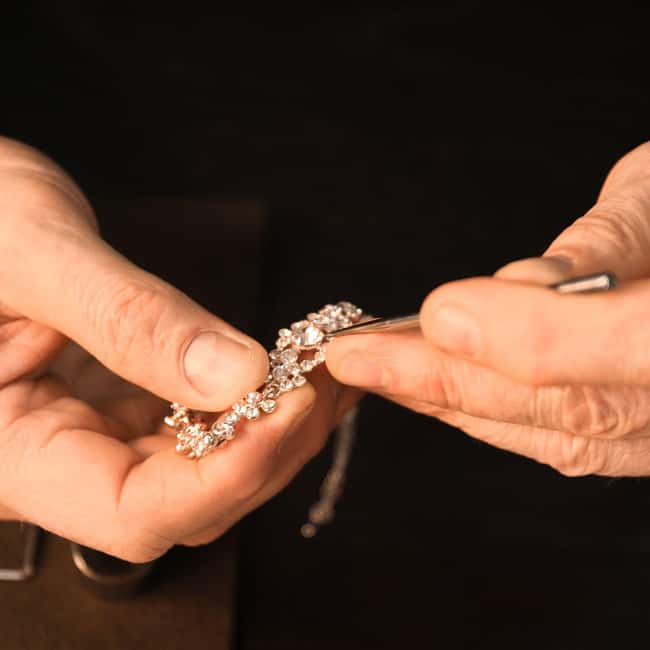
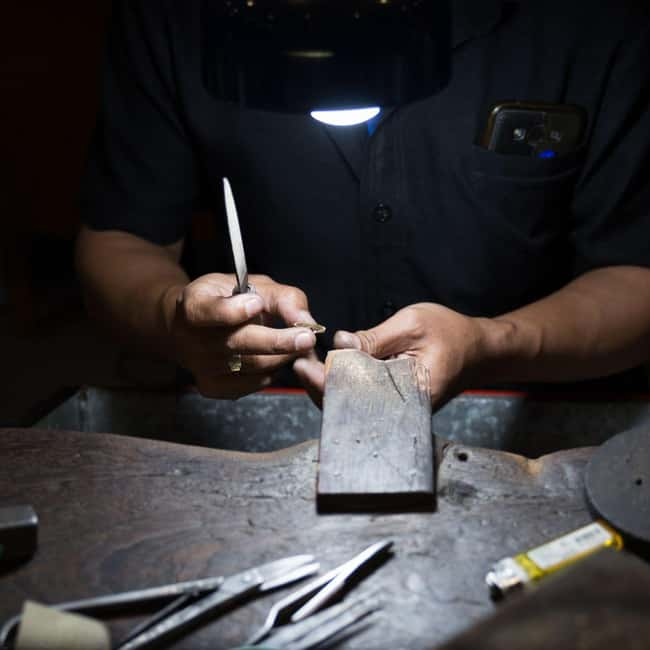
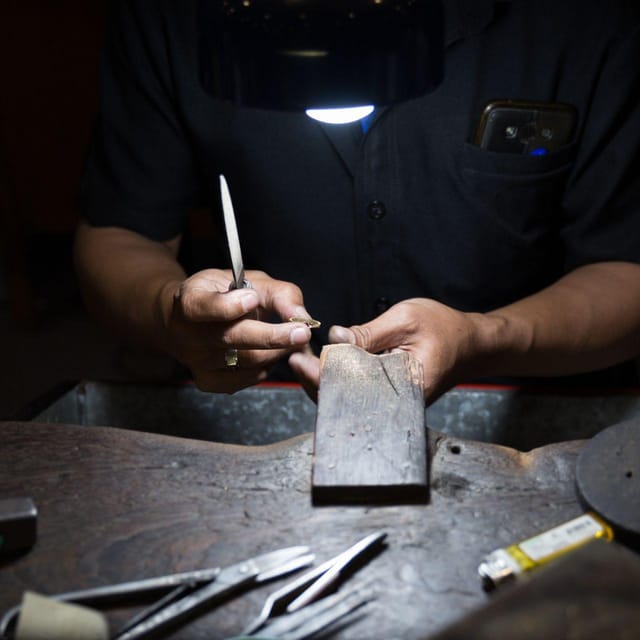
The jewelry workshop brings the route to smaller, finer work. Gold and other precious metals are shaped into jewelry, carrying on a local tradition of careful design.
This is likely to appeal to anyone who enjoys detail. A leather bag is a practical object you can see from across a room. Jewelry asks you to look closer at scale, surface, and finish. You may find the goldsmith visit quieter and more focused than the larger workshop stops.
Again, the exact studios depend on availability. The tour promises exposure to the craft, not a guaranteed private demonstration by a specific jeweler. If jewelry is your main reason for booking, confirm what is expected on the day with the local guide agency.
A Gelato Stop That Fits the Route
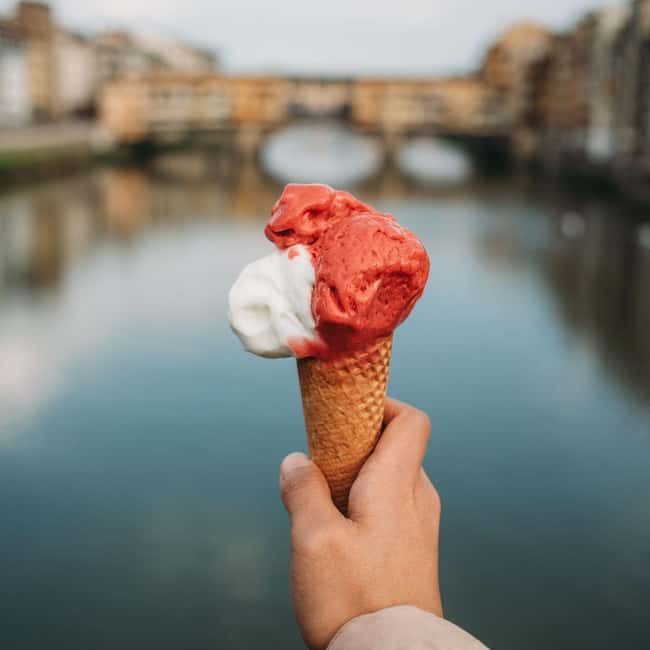
Gelato is included, and it is more than a decorative extra on a walking tour. A sweet break gives you a pause between workshops and a chance to ask the guide about Florence’s food scene.
Vanessa has been especially helpful with suggestions for food and ice cream. That sort of advice is useful because good eating in Florence often depends on knowing where to go near the area you are already exploring. The gelato stop also keeps the experience from feeling like a chain of demonstrations with no breathing room.
The gelato is included in the $77 price, so you do not need to budget separately for that part. It is a small inclusion, but a welcome one, particularly during a long walking route.
Choosing Two Hours or Four
The length you choose changes the character of the experience.
The two-hour tour visits two to three workshops. It suits you if you want an introduction to Florentine craft without giving up most of an afternoon. It is also a sensible choice if you have a packed sightseeing schedule or are traveling with someone who prefers shorter activities.
The four-hour tour visits four to six workshops. It provides a fuller look at the mix of painting, leather, ceramics, jewelry, and other artisan work. You get more variety, but also more walking and more time spent moving between studios.
Do not assume that the longer option guarantees every highlight. The studios are selected according to the day and artisan availability. A four-hour route might include a particularly strong leather visit, while another day may place more emphasis on painting or ceramics.
The shorter option also should not be dismissed as a quick shopping walk. Two or three workshops can still give you a meaningful look at local craft, especially if the guide spends time explaining the people and methods involved.
The Value of $77
At $77 per person, this is not the cheapest way to spend two to four hours in Florence. You can walk through markets and admire shop windows for free. You can also visit major museums for less than the tour price, depending on admission and booking costs.
The value here comes from access and interpretation. The guide connects several small studios, gives you context for what you are seeing, and helps you navigate the area. You are paying for a planned route, live explanations, artisan encounters, and gelato, not only for entry into one attraction.
The price makes the most sense for someone who would otherwise wander through Florence’s craft districts without knowing which doors lead to genuine working studios. It is less compelling for a confident shopper who already understands leather and wants only to buy a particular item.
The personal nature of the tour also affects the value. Enrico once guided a solo participant, taking time to explain the area and how to find the way back later. If your group is small on the day, you may get more direct conversation and more room for questions. The available information does not promise a fixed group size, so do not book on the assumption that the tour will be private.
What the Walking Is Like
This is a walking tour through Florence, so wear sneakers. The activity lasts two to four hours, and the route includes several stops rather than one central venue.
You should allow time to stand, listen, and look closely at objects in progress. This is not a bus tour or a seated museum presentation. Comfortable shoes matter more than dressed-up footwear, especially on a longer route.
The meeting point is the Local Guides Tour agency. Starting times depend on availability, so check the selected date carefully. The tour is offered in English and Italian, which makes it practical for international visitors who want a live guide rather than a written audio tour.
The exact location of each workshop may change. That is not necessarily a weakness. Working artisans have schedules, and a flexible route can make it possible to visit studios that are active on that particular day. It does mean you should treat the listed crafts as the expected range, not a rigid guarantee.
Who Will Enjoy This Most
I would recommend the tour to you if you like seeing how things are made, want a more personal side of Florence, or are considering buying local craftwork. It also suits repeat visitors who have already seen the major Renaissance sights and want a different afternoon.
Art students, design-minded visitors, and curious shoppers should get plenty from the route. Families may also like the variety, though the two-hour option is the safer choice for younger children or anyone who does not enjoy long walks.
Solo visitors can benefit from the guide’s help with orientation. Enrico’s approach, as described, includes explaining where you are in the area and how to navigate back later. That is a practical touch that can make the tour useful beyond its official end.
You may want to skip it if your main goal is a structured history lecture, a guaranteed visit to one named artisan, or a dedicated shopping trip. The tour is about seeing several forms of craft, and the stops can change.
Booking Details That Matter
The activity allows cancellation up to 24 hours before the start for a full refund. You can also reserve now and pay later, which helps if your Florence schedule is still taking shape.
Check availability for the starting time and confirm whether you are choosing the two-hour or four-hour format. If you have a strong preference for leather, ceramics, painting, or jewelry, ask the agency what is likely to be included on your date. The tour promises a range of workshops, but specific locations depend on artisan availability.
English and Italian are the available guide languages. Bring comfortable shoes, keep some room in your day for walking, and remember that this is a craft-focused experience rather than a standard Florence highlights tour.
Should You Book This Florentine Craft Tour?
Book it if you want to meet the working side of Florence and understand what you are seeing when you shop for leather, ceramics, jewelry, or art. The leather workshop is the clearest reason to choose it, while the gallery, painter, ceramics studio, goldsmith, and gelato give the route useful variety.
Choose four hours if artisan craft is a major interest and you want the broadest selection of stops. Choose two hours if you need a compact introduction. The changing workshop lineup is the main point to consider, but it also keeps the experience connected to real working studios rather than a fixed showroom script.
At $77, the tour is best value when you want a guide to connect the pieces. If that sounds like your kind of Florence, it is a worthwhile addition to the Duomo and museum circuit.
FAQ
Where does the tour meet?
The meeting point is the Local Guides Tour agency.
How long does the tour last?
You can choose a two-hour or four-hour version, depending on availability.
How many workshops are included?
The two-hour tour includes two to three workshops. The four-hour tour includes four to six workshops.
Which types of craft might I see?
Possible stops include a leather workshop, painting studio, ceramics workshop, and goldsmith or jewelry workshop. The exact locations depend on the day and artisan availability.
Is a modern art gallery included?
The experience begins at a gallery of modern and contemporary art, with works by artists such as Fontana and De Chirico.
Is gelato included?
Yes. Artisanal gelato is included in the tour.
What languages are available?
The live tour guide is available in English or Italian.
What should I wear?
Sneakers are recommended because this is a walking tour through Florence.
Recently added around Florence
- Accademia and Uffizi Small-group Guided Tour★ 4.5 · 8 reviews
- The David from Michelangelo.★ 5.0 · 3 reviews
- Combo: Accademia + walking + Uffizi Galleries Guided Tour★ 3.5 · 6 reviews
- The Complete Wine Tour Brunello, Nobile, Chianti wine experience★ 4.0 · 7 reviews
- The Best of Tuscany in 3 Days★ 4.5 · 13 reviews
- The Cooking Lab – Authentic Food Experience★ 5.0 · 113 reviews
- Florence Central Market Food Tour – Private Tour★ 4.0 · 7 reviews
- Family Friendly Florence Private City Tour★ 5.0 · 47 reviews
Florence Artisan Workshops, compared.
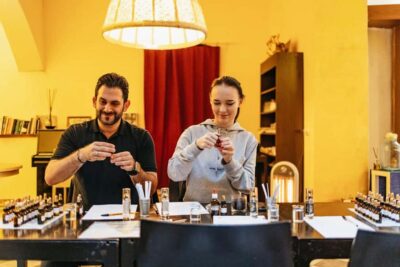
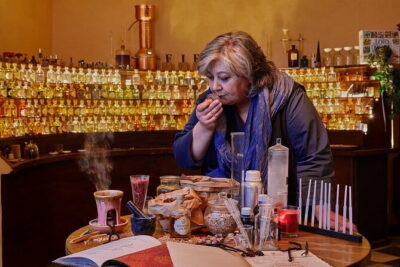
Perfume Masterclass in Florence: Make your Own Personal Fragrance
Read our review →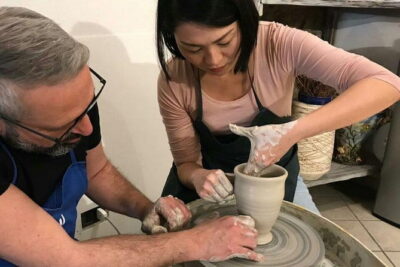
Handmade Tuscan Ceramics Masterclass in Montelupo
Read our review →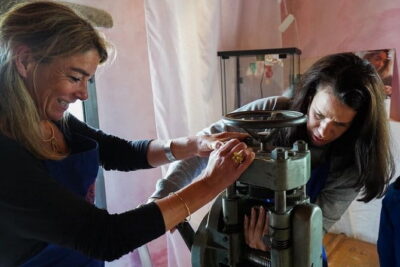
Private jewelry class in Florence, Tuscany, Italy (4 hours)
Read our review →
Perfume Making Workshop in the Heart of Florence
Read our review →
Learn to Sculpt or Paint in a Private Florence Art Studio
Read our review →Browse the lists this tour appears in