
Reviewed · FLORENCE WINE TASTINGS
Florence Wine Tasting Experience with Seven Types of Tuscan Wine
Seven Tuscan wines, a generous board of local food, and a sommelier who adjusts the tasting to your preferences make this more than a quick glass of Chianti. You move from Vernaccia di San Gimignano to Brunello di Montalcino, with Bolgheri, Chianti Classico, Nobile, and Supertuscan wines in between. The range is the main attraction.
I like the practical tasting lesson, especially the help with describing flavors without needing fancy wine vocabulary. I also like the food pairings: Tuscan cheeses, cured meats, bruschetta, olives, and prosciutto turn the session into a light meal rather than a string of small sips. The main caution is the pace, since seven wines in 90 minutes can feel quick, and the venue may accommodate up to 70 people.
Key points at a glance
- Seven distinct Tuscan styles: Compare Vernaccia, Chianti Classico, Brunello, Bolgheri Rosso, Nobile, and Supertuscan wine in one sitting.
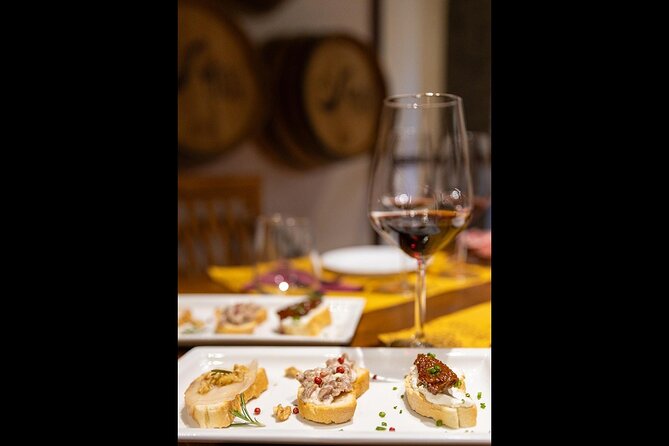
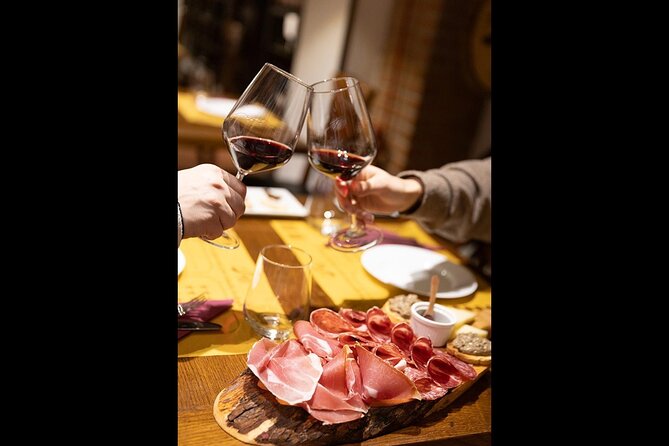
- Food is part of the lesson: Pair wines with cheeses, salami, bruschetta, olives, prosciutto, bread, and other local accompaniments.
- Sommelier-led and approachable: Guides including Giorgio, Vinci, Francesca, Lorenzo, Jessica, and Hesu have been praised for explaining wine in plain terms.
- Central Florentine setting: The tasting takes place at Vino Tasting Global Srl on Via del Gomitolo dell’Oro, in a historic venue near the center.
- Good value for a short activity: At $70.70 per person, seven pours and a substantial snack platter can replace an expensive aperitivo or light meal.
- Plan carefully: Arrive early, bring valid identification, and report allergies or dietary needs when booking.
Seven Tuscan wines in one Florence sitting
The clever part of this tasting is its sweep across Tuscany. Instead of focusing only on Chianti, you get a quick lesson in how different grapes, places, and aging styles can produce very different wines.
The tasting includes Vernaccia di San Gimignano, Bolgheri Rosso, Chianti Classico, Nobile di Montepulciano, Chianti Classico Riserva, Brunello di Montalcino, and a Supertuscan called Miraia. That list gives you both familiar names and useful contrasts.
Vernaccia usually begins the journey with a lighter, fresher style. It gives you a reference point before the tasting moves into deeper reds. Bolgheri brings a different Tuscan identity, while Chianti Classico offers the region’s best-known traditional style.
You then reach Nobile di Montepulciano and Chianti Classico Riserva, which help show how place and aging affect a wine. Brunello di Montalcino is the prestigious finish for many tasters, followed by the luxurious Supertuscan selection. The order may vary, but the purpose is clear: compare, notice, and learn.
This lineup is especially useful if you are visiting Tuscany without time for a vineyard excursion. You will not see the countryside or walk through a cellar, but you can sample wines from several major areas without leaving Florence.
More wine tastings in Florence:
- Tuscany Day Trip from Florence: Siena, San Gimignano, Pisa and Lunch at a Winery
★ 5.0 · 21,634 reviews - Florence: Pasta Cooking Class with Unlimited Wine
★ 4.9 · 10,285 reviews - Florence: Chianti Wineries Tour with Wine Tasting
★ 4.5 · 8,301 reviews
What the 90-minute tasting actually teaches you
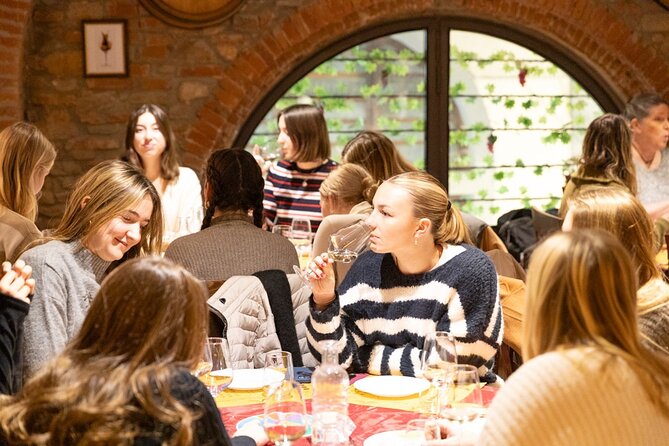
The guide begins with the basics of tasting, then uses the wines to make those basics practical. You learn how to look at a wine, smell it, taste it, and describe what you notice. The point is not to turn you into a wine professional. It is to help you feel more comfortable ordering a bottle or choosing a glass at dinner.
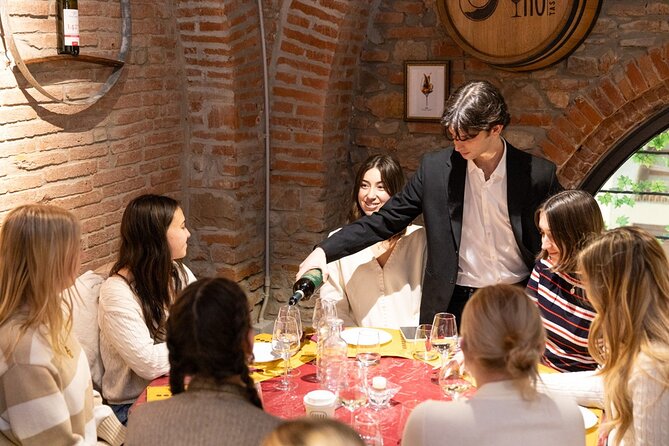
That makes the lesson useful for beginners. You do not need to arrive with a trained palate. The sommeliers are described as friendly and willing to answer small, specific questions, which matters more than a formal lecture if you are still learning the difference between acidity, body, tannin, and fruit flavor.
The food pairing element adds another layer. You can taste a wine alone, then try it with salty prosciutto, creamy cheese, bruschetta, olives, or salami. Food changes how wine feels, and this gives you a simple way to understand why one bottle works better with a certain dish.
I particularly like the reports of guides adjusting the next wine to match personal preferences. If you prefer softer reds, drier whites, or fuller-bodied bottles, tell the sommelier early. The tasting is structured, but it is not presented as a one-size-fits-all script.
From Vernaccia to Brunello: the tasting progression
The first pour, Vernaccia di San Gimignano, introduces one of Tuscany’s best-known white wines. It is a useful opening because the lighter style gives your palate a clear starting point before the red wines arrive.
Bolgheri Rosso follows with a red from the Tuscan coast. This is a chance to compare a coastal wine with the more traditional inland styles. You may notice a different balance of fruit, structure, and finish, though the exact impression depends on the bottle being served.
The Chianti Classico Base brings you into the heart of classic Tuscan red wine. This is the wine many people associate with the region, but tasting it beside Chianti Classico Riserva later makes the comparison more useful than trying either one alone.
Nobile di Montepulciano adds another major Tuscan name. The tasting does not require you to memorize appellation rules, but the guide can explain why these places matter and how the wines differ.
Chianti Classico Riserva gives the traditional style a more developed expression. The point is not simply that one bottle is better than another. It is to notice how aging and winemaking choices alter aroma, texture, and finish.
Brunello di Montalcino is the heavyweight of the session. It is a prestigious Tuscan wine and often the bottle people most want to understand before buying it. Here, you get context rather than a shop shelf and a price tag.
The final Supertuscan, Miraia, brings a modern side of Tuscany into the lineup. Supertuscans are useful for showing that Tuscan winemaking is not limited to old regional formulas. This wine rounds out the session with a different expression of the region.
A substantial Tuscan board, not just a few nibbles
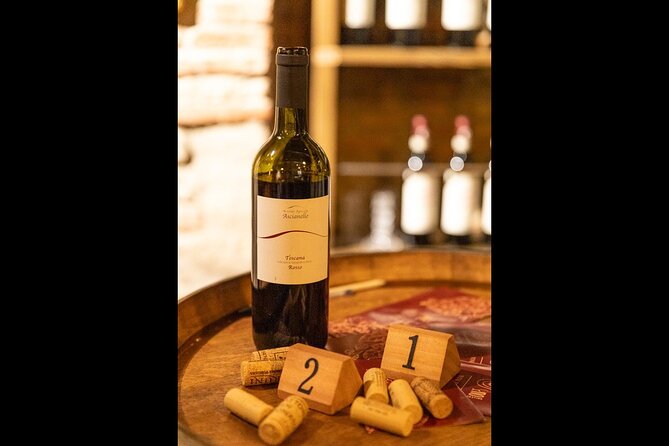
The food is one of the strongest parts of the value. The listed platter includes Tuscan cheeses, salami, bruschetta, Italian olives, and prosciutto. Additional food described with the tasting includes bread, local olive oil, and pickled vegetables.
Portions appear generous enough for many people to treat the tasting as a light lunch or early dinner. One account describes having so much food that a later dinner was hardly necessary. That will depend on your appetite and the amount served on your visit, but you should not think of the platter as a token garnish.
The pairing also helps pace the alcohol. A piece of cheese or prosciutto gives you something to eat between pours, while bruschetta and bread make the tasting feel more grounded in Tuscan food culture.
Vegetarian and gluten-free menus are available on request. A vegetarian platter has also been prepared for a mixed group, so state your needs when booking and remind the staff before the tasting begins. For allergies or intolerances, advance notice is important.
Children can receive Coca-Cola, Fanta, or Sprite instead of alcoholic drinks. Keep in mind that the stated minimum age for alcoholic beverages is 17, and everyone should carry a valid identification document.
More food and market tours in Florence:
- Small-Group Wine Tasting Experience in the Tuscan Countryside
★ 5.0 · 7,392 reviews - SMALL-GROUP Wine Safaris: Tuscan Wine Tasting Tours from Florence
★ 5.0 · 5,088 reviews - Winner 2025 Florence Sunset Food & Wine Tour by Eating Europe
★ 5.0 · 5,015 reviews - San Gimignano, Siena, Monteriggioni, Chianti Day Trip with Lunch & Wine Tasting
★ 4.5 · 4,432 reviews
The medieval venue in central Florence
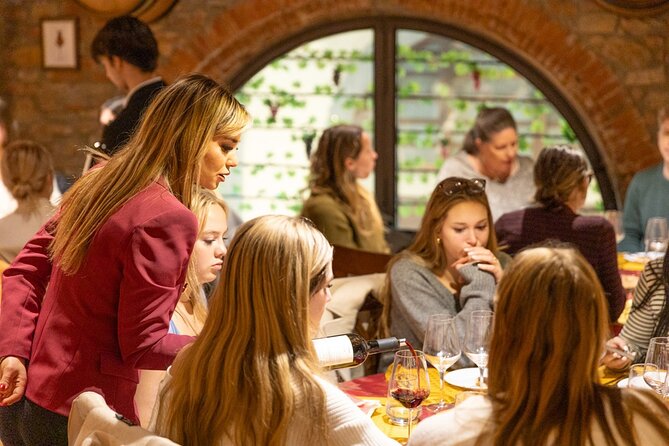
The meeting point is Vino Tasting Global Srl, Via del Gomitolo dell’Oro, 11r, 50123 Firenze. The setting is described as a charming medieval venue and a clean, inviting shop in the heart of Florence.
That location makes the tasting easy to add between sightseeing stops. You do not need a bus, taxi, or countryside transfer, and the activity finishes back at the same meeting point. Hotel pickup and drop-off are not included, so you arrange your own way there.
The room may feel intimate, but the official maximum is 70 participants. That is a wide possible range. Some sessions may feel personal, particularly when the sommelier works around your preferences, while a larger booking could feel more like a group class.
The guides named in the feedback include Giorgio, Vinci, Francesca, Lorenzo, Jessica, and Hesu. Their approaches may differ, but the common thread is clear: expect explanations, questions, and help connecting the wine to food. The best use of your time is to speak up about what you like instead of waiting for the guide to guess.
Is $70.70 a fair price?
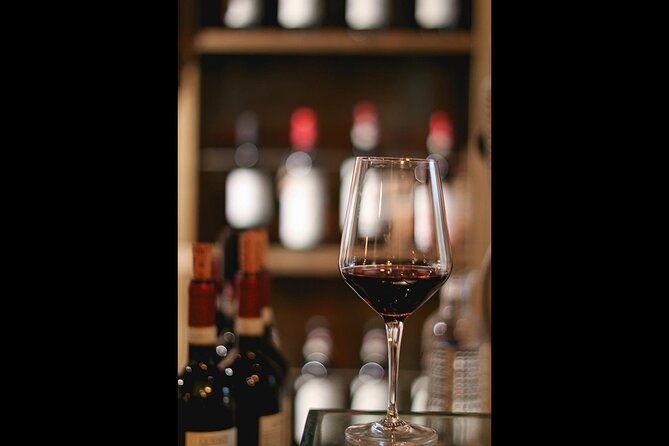
At $70.70 per person, this is not the cheapest way to have a glass of wine in Florence. It is also not simply a drink at a bar. The price covers seven Tuscan wines, a sommelier-led class, and a food platter that can be substantial.
If you bought seven separate glasses in central Florence, the total could quickly approach or exceed the tour price, especially for wines such as Brunello and high-end Supertuscans. You also pay for the guidance, the comparison between styles, and the chance to ask questions in one place.
The value is strongest for people who want to learn while tasting. If you already know Tuscan wine well and mainly want a quiet glass, this may feel too structured. If you are planning winery visits later in your trip, it can work as a useful introduction to the names you are likely to see.
A few people have also chosen to buy bottles after tasting. That can be helpful because you sample before committing, but do not feel obliged to purchase anything. The tasting is worthwhile even if you leave with only a better idea of what to order at dinner.
Timing, group size, and practical cautions
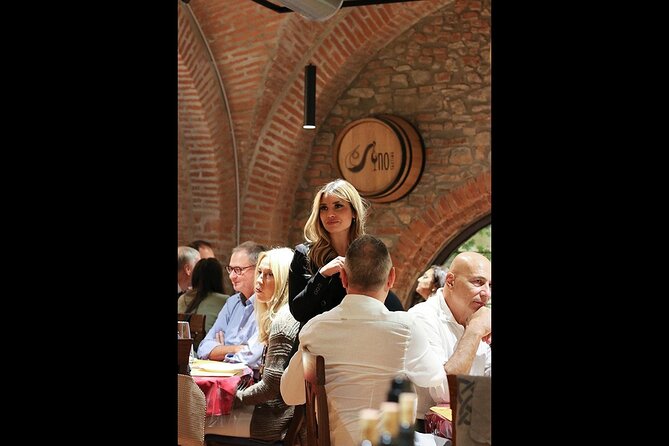
The activity lasts about 90 minutes. That is long enough to cover seven wines and food, but short enough to fit neatly into a day of sightseeing. I would avoid scheduling it immediately before a train, museum entry, or other fixed appointment.
Arrive before the start time. Late arrivals cannot join, receive a refund, or reschedule. This rule matters because the tasting moves through a planned sequence and the first wine may already be poured when the session begins.
The activity requires a minimum number of participants to run. Confirmation is provided at booking, but it is still sensible to avoid building an entire day around this one appointment if your plans are very tight.
You can cancel for a full refund up to 24 hours before the start time. Cancellations or changes made later are not refunded or accepted, and the cut-off follows local Florence time.
The tasting is offered in English and uses a mobile ticket. Bring your identification document, even if you have already confirmed your booking.
Who will enjoy this Florence wine tasting?
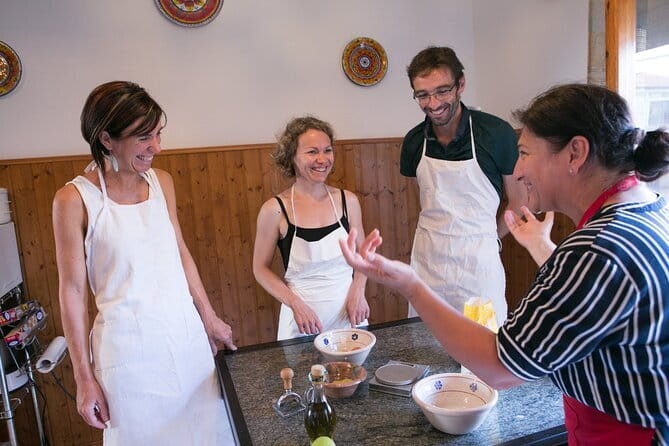
This works best for couples, friends, families with older children, and curious first-time wine drinkers. It is also a good choice if you want Tuscan food and wine but do not have time for a full-day trip outside Florence.
You will get the most from it if you ask questions and tell the guide what you normally enjoy. The session is not a silent formal tasting. The strongest moments come from the back-and-forth, especially when the sommelier explains a wine in simple terms or changes a pairing to suit your preferences.
It may be less suitable if you dislike alcohol, need a completely private appointment, or want a vineyard and countryside setting. Although some sessions feel private and personal, the official maximum of 70 means privacy is not guaranteed.
Should you book it?
Book this if you want a compact introduction to Tuscan wine, a generous local food board, and a central Florence location. The combination of seven varied wines and practical pairing advice gives you more than a standard aperitivo, while the 90-minute length keeps the commitment manageable.
I would especially recommend it early in your Florence stay. You can use what you learn when ordering wine for the rest of the trip. Just arrive early, disclose dietary needs, carry identification, and remember that seven pours can add up quickly. If that sounds like your kind of afternoon, $70.70 is a fair price for the lesson, food, and range of bottles.
FAQ
Where does the wine tasting take place?
It takes place at Vino Tasting Global Srl, Via del Gomitolo dell’Oro, 11r, 50123 Firenze FI, Italy.
How long does the activity last?
The tasting lasts approximately 1 hour and 30 minutes.
Which wines are included?
The tasting includes Vernaccia, Bolgheri Rosso, Chianti Classico Base, Nobile MP Base, Chianti Classico Riserva, Brunello di Montalcino, and Miraia.
What food is served?
The platter includes Tuscan cheeses, salami, bruschetta, Italian olives, and prosciutto. Bread, olive oil, and pickled vegetables may also be included with the food pairings.
Are vegetarian or gluten-free options available?
Yes. Vegetarian and gluten-free menus are available on request. You should report allergies or intolerances when booking and again before the tasting.
Can children attend?
Children can receive Coca-Cola, Fanta, or Sprite instead of alcoholic drinks. Alcoholic beverages are available only to participants aged 17 and above, according to the stated tour policy.
What happens if I need to cancel?
You can cancel at least 24 hours before the start time for a full refund. Cancellations or changes made less than 24 hours before the start time are not accepted or refunded.
Recently added around Florence
- Accademia and Uffizi Small-group Guided Tour★ 4.5 · 8 reviews
- The David from Michelangelo.★ 5.0 · 3 reviews
- Combo: Accademia + walking + Uffizi Galleries Guided Tour★ 3.5 · 6 reviews
- The Complete Wine Tour Brunello, Nobile, Chianti wine experience★ 4.0 · 7 reviews
- The Best of Tuscany in 3 Days★ 4.5 · 13 reviews
- The Cooking Lab – Authentic Food Experience★ 5.0 · 113 reviews
- Florence Central Market Food Tour – Private Tour★ 4.0 · 7 reviews
- Family Friendly Florence Private City Tour★ 5.0 · 47 reviews
Florence Wine Tastings, compared.
Tuscany Day Trip from Florence: Siena, San Gimignano, Pisa and Lunch at a Winery
Read our review →
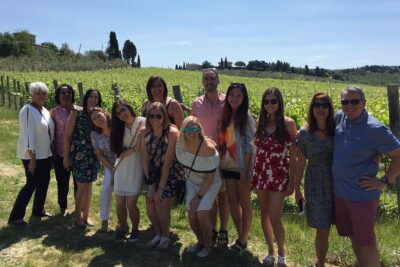
Small-Group Wine Tasting Experience in the Tuscan Countryside
Read our review →
Pasta & Tiramisu Cooking Class with Unlimited Wine
Read our review →
Pisa, Siena and San Gimignano Day Trip with Lunch & Wine Pairing
Read our review →
SMALL-GROUP Wine Safaris: Tuscan Wine Tasting Tours from Florence
Read our review →Browse the lists this tour appears in