
Reviewed · FLORENCE GELATO AND TIRAMISU CLASSES
The Real Italian Artisan Gelato
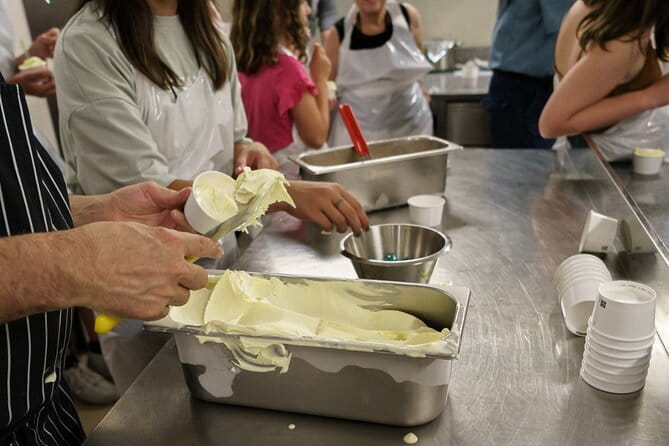
The best part of this Florence class is that you do not simply eat gelato, you help make it. In about 90 minutes at In Tavola, you prepare one creamy, milk-based flavor and one fresh fruit sorbetto, then taste both at the end.
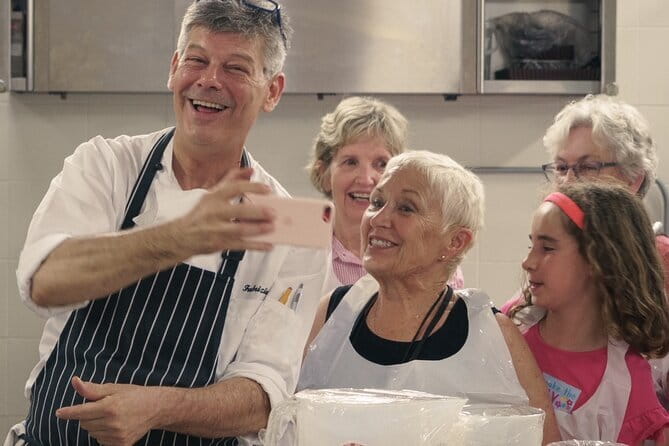
I like the small group of no more than 12 people, which gives children and adults a real role in the process. I also like the clear contrast between the two recipes: one shows how dairy gelato works, while the other reveals how fruit, water, and careful balance can make a powerful frozen dessert.
The main consideration is that this is a focused class, not a full cooking tour or a long Tuscan food experience. If you want several dishes, a market visit, or a broad lesson on Italian cuisine, you will need another activity to fill that gap.
Key points to know before booking
- Make two different frozen desserts: Prepare a milk-based gelato such as crema, pistachio, or chocolate, plus a fruit sorbetto such as strawberry, melon, or lemon.
- Expect hands-on work: You may whisk ingredients, help place the mixture into the gelato machine, and take part in the preparation.
- Good for families: Children from age 7 can join, and the class has been especially successful with kids ages 9 and 14.
- Small group setting: The maximum is 12 people, so you should have more personal attention than in a large demonstration.
- Taste what you make: The finished gelato and sorbetto are the class snack, with bottled water and recipes included.
- Plan for a central Florence meeting point: The class begins and ends at In Tavola, Via dei Velluti 20R, at 10:00 am.
Making gelato instead of just ordering it
Florence has no shortage of gelaterias. You can point at a tub, choose a flavor, and be eating within minutes. That is part of the fun, but this class gives you something a gelateria visit cannot: a practical look at how Italian gelato is built.
The lesson centers on two basic styles. First comes a dairy-based gelato, described as a milk-base flavor such as crema, pistachio, or chocolate. Then comes a water-based fruit sorbetto, with possible flavors including strawberry, melon, or lemon.
That pairing is smart. You are not making two versions of the same thing. The milk-based recipe lets you see how a smooth, creamy texture develops. The fruit sorbetto shows how the character of the fruit has to carry the dessert without a dairy base.
The class is led by a Maestro Gelataio, or gelato maker. A specific instructor’s name is not provided, so do not book this expecting a named chef or celebrity teacher. The useful point is the format: the instructor explains the ingredients and their purpose while guiding the group through the recipes.
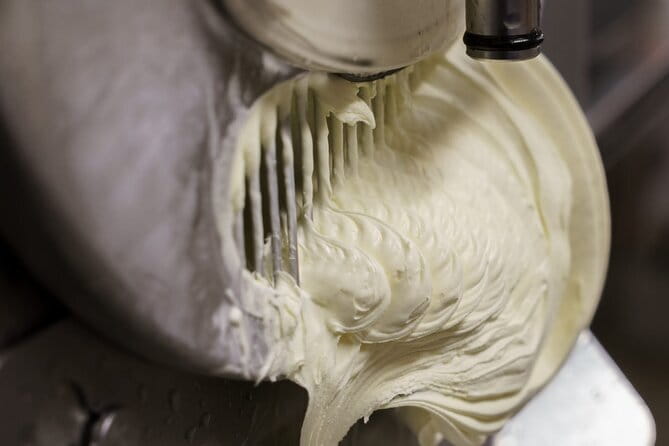
This makes the class more than a photo opportunity. You get a basic understanding of why ingredients are used, then see the mixture move through the working process. That is especially helpful if you want to try making gelato at home after returning from Italy.
More artisan workshops in Florence:
- Florence: Perfume Masterclass and Sensory Experience
★ 4.7 · 463 reviews - Perfume Masterclass in Florence: Make your Own Personal Fragrance
★ 4.5 · 253 reviews - Handmade Tuscan Ceramics Masterclass in Montelupo
★ 5.0 · 205 reviews
What happens at In Tavola
You meet at In Tavola, located at Via dei Velluti 20R in Florence. The start time is 10:00 am, and the activity lasts about one hour and 30 minutes. Since the class ends back at the same meeting point, it is easy to fit into a morning around other plans in central Florence.
The available details describe one stop, In Tavola, rather than a series of locations. There is no market walk, restaurant transfer, or separate sightseeing stop. That keeps the experience simple and focused, but it also means you should think of this as a food lesson rather than a city tour.
Once the class begins, the instructor introduces the two preparations. You work with a milk-based gelato and a fruit sorbetto. The exact flavors may vary, with examples including crema, pistachio, chocolate, strawberry, melon, and lemon.
The hands-on element matters here. This is not only a demonstration where you sit and watch someone else work. Children in particular can whisk ingredients, help put the liquid mixture into the gelato machine, and take part in tasting the final product.
The class has a maximum of 12 people. That is not a private lesson, but it is small enough to make participation more likely. In a much larger group, a child might watch from the back while one person handles the bowl. Here, the format is better suited to shared tasks and questions.
At the end, you eat the gelato and sorbetto you helped prepare. Recipes are included, so the practical value continues after the class. You can try to recreate the experience at home, although your own equipment and ingredients may affect the final result.
Why the two recipes make a useful lesson
A good cooking class teaches a method, not just a finished dish. The two preparations here give you a simple way to compare different frozen desserts.
The milk-based gelato tends to be the more familiar choice. Crema, pistachio, and chocolate are classic directions, and the dairy base gives the mixture a smooth, substantial texture. You learn how a few ingredients work together to create something that feels creamy rather than simply icy.
The sorbetto is a different lesson. A fruit-based version uses water rather than milk, so the fruit has a more direct role. Strawberry, melon, and lemon each bring a different balance of sweetness and acidity. The preparation helps explain why a sorbetto can taste bright and full even without cream.
One particularly useful detail from the class format is that the instructor explains why the ingredients are used. That turns the activity from a children’s amusement into a basic food lesson for adults, too. You can ask questions, watch how the mixture is handled, and pay attention to the difference between the two finished textures.
The end tasting is also part of the instruction. You do not just prepare a mixture and leave before it becomes dessert. You get to sample the result and judge the flavor for yourself.
A family activity with real participation
This is a strong pick for families with children age 7 and older. The class is short enough to be manageable during a busy Florence day, and the work gives children something concrete to do.
Children ages 9 and 14 have taken part successfully, with activities including whisking ingredients, helping load the liquid into the machine, and tasting the final gelato. That range suggests the class can work for siblings who are not the same age, though younger children may need help from an adult.
The family appeal comes from participation, not from a cartoon-style presentation. You are learning a real food process, and the reward is something edible. Children who lose interest during long museum visits often respond better when they can mix, watch, and taste.
Adults should not dismiss this as a kids-only activity. The instructor covers the ingredients and why they matter, and the two-style format gives you something useful to take away. If you enjoy Italian food and want a low-pressure activity between major sights, this can be a pleasant change from another church, palace, or museum.
The minimum age is 7. The provided information does not give a maximum age, so older children and adults can join as long as they meet any dietary needs and enjoy the subject.
More gelato and tiramisu classes in Florence:
- Florence Pizza or Pasta Class with Gelato Making at a Tuscan Farm
★ 5.0 · 6,801 reviews - Florence: Pasta & Tiramisu Cooking Class with Unlimited Wine
★ 4.9 · 6,708 reviews - Florence: Cooking Class Pasta & Tiramisu Making Unlimited Wine
★ 5.0 · 2,234 reviews - Florence Cooking Class The Art of Making Gelato & Authentic Pizza
★ 5.0 · 2,053 reviews
How much the $37.33 price is worth

The listed price is $37.33 per person. I see reasonable value here if you want an interactive food activity rather than a simple tasting.
Your fee covers about 90 minutes of instruction, the preparation of two desserts, the final tasting, bottled water, and recipes. You are paying for the teacher’s guidance and the chance to work with the ingredients, not just for a cup of gelato.
The price makes less sense if your main goal is simply to eat excellent gelato. Florence offers many places to buy a scoop for far less. This class earns its price through the activity, the explanation, and the recipes you take home.
The small-group limit also helps support the value. With no more than 12 people, the class should feel more personal than a large food demonstration. Still, it is not a private class, so you should keep your expectations sensible. You will share the workspace and the instructor’s time with other participants.
For a family, the cost adds up quickly because each person pays individually. The upside is that several family members can participate instead of having only the adults watch. If your children are excited by cooking and tasting, the shared experience may be more memorable than buying separate desserts.
Timing, meeting point, and practical planning
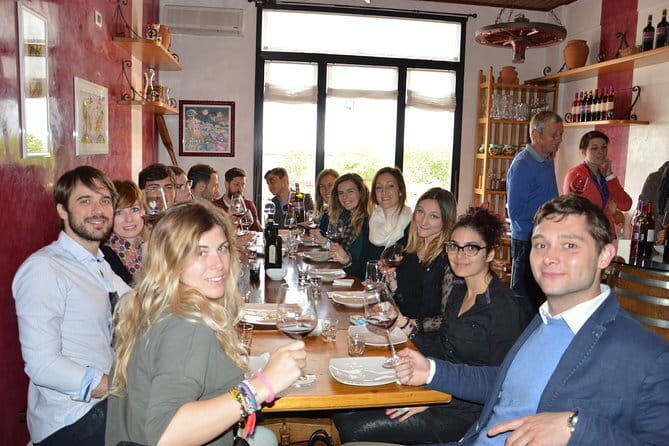
The class starts at 10:00 am at In Tavola, Via dei Velluti 20R, 50125 Florence. It ends at the same place, which removes the need to arrange transportation between the lesson and a second location.
Plan to arrive ready for a fixed start time. The activity is short and structured, so arriving late could mean missing the introduction or the first preparation steps. The provided information does not specify a required arrival time, so check your confirmation for any final instructions.
The class is offered in English. Confirmation is sent when you book, and the ticket is mobile, so you can keep the booking on your phone rather than carrying a printed voucher.
The activity is offered at a set morning time. That works well if you want to spend the afternoon sightseeing, but it gives you less flexibility than an open-ended tasting stop. If you have a morning museum reservation, train departure, or other timed visit, allow room around the 10:00 am start and the roughly 90-minute duration.
The activity ends at the meeting point rather than at a different part of Florence. That makes it easier to continue your day, though you will need to plan your own route afterward.
Dietary requests and what is included
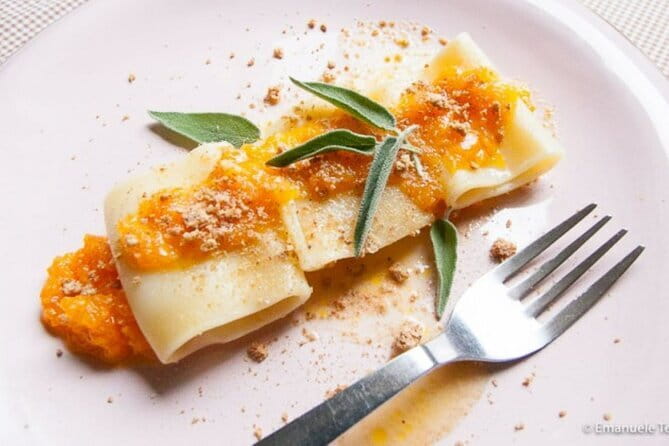
You should advise In Tavola of dietary requirements when booking. The supplied information specifically gives examples such as gluten-free, dairy-free, no pork, and no seafood, even though those last two items are not central to the gelato lesson.
Vegetarian and vegan options are available if requested in advance. Do not wait until the class begins to mention a dietary need. The recipes are built around different ingredients, and the provider needs notice to prepare an appropriate option.
The standard experience includes bottled water, recipes, and the gelato and sorbetto you make. No other extra services are offered. That means you should not expect transportation, a separate meal, additional sightseeing, or take-home containers unless the provider confirms something different directly.
The wording around inclusions is simple, so this is best treated as a tasting class with recipes rather than a full lunch. The gelato is the food served as part of the activity.
What the class does especially well
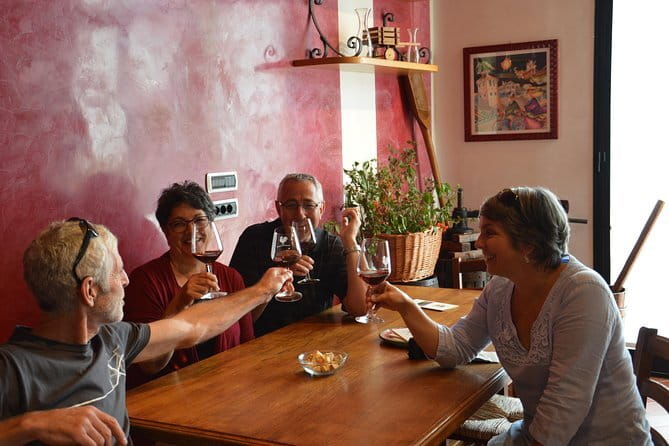
The strongest feature is participation. You are involved in the process, and children can take on real tasks rather than simply standing beside the instructor.
The second strength is the instructor’s explanation of ingredients. Understanding why an ingredient is used helps you make sense of the finished dessert. It also gives the class value for adults who already know how to follow a recipe but want to understand gelato more clearly.
The third strength is the final tasting. The class does not stop after preparation. You eat the results together, which gives the lesson a natural finish.
The small group also helps. A maximum of 12 people is not intimate in the private-chef sense, but it is compact enough to support a hands-on format. The available comments repeatedly praise the fun, family-friendly setup and the quality of the finished gelato and sorbetto.
Limits to keep in mind
This is a narrow experience. You make two frozen desserts at one location, and that is the full focus. Do not choose it if you want a broad survey of Florentine cuisine or a walking tour with several food stops.
The class also lasts only about 90 minutes. That is a virtue for families and busy schedules, but it limits how far the lesson can go. You will get an introduction to the recipes and process, not an advanced professional course in gelato production.
Flavor selection may also vary. Crema, pistachio, chocolate, strawberry, melon, and lemon are examples of possible flavors, not a promise that you will make all six. If one specific flavor matters to you, ask In Tavola before booking.
Finally, a small group does not guarantee private attention every minute. You will have more opportunity to participate than in a large class, but the instructor still has to guide everyone.
Should you book the In Tavola gelato class?
Book it if you want a short, hands-on Florence activity where adults and children can work together and eat the results. It is especially well suited to families, first-time gelato makers, and anyone who wants recipes and a basic understanding of the difference between dairy gelato and fruit sorbetto.
I would skip it if you only want a quick dessert, need a fully private lesson, or prefer a longer food tour with several stops. At $37.33 per person, the value rests in the making, learning, and shared time, not in the amount of gelato alone.
For most visitors who enjoy food and have a free morning, the balance is good. You leave with a pleasant memory, two recipes, and a better sense of what is in the cup the next time you order gelato in Florence.
FAQ
Where does the gelato class take place?
The class takes place at In Tavola, Via dei Velluti 20R, 50125 Firenze FI, Italy.
What time does the activity start?
The class starts at 10:00 am.
How long does the class last?
The activity lasts approximately one hour and 30 minutes.
What will I make during the class?
You will prepare one milk-based gelato and one water-based fruit sorbetto.
What flavors might be available?
Possible milk-based flavors include crema, pistachio, and chocolate. Possible fruit sorbetto flavors include strawberry, melon, and lemon.
Can children join the class?
Yes. The minimum age is 7.
How many people can attend?
The class has a maximum of 12 participants.
Is the class offered in English?
Yes. The experience is offered in English.
Are vegetarian or vegan options available?
Yes. Vegetarian and vegan options are available, but you should advise the provider when booking.
What happens if I need to cancel?
You can receive a full refund if you cancel at least 24 hours before the experience’s start time. Cancellations or changes made less than 24 hours in advance are not accepted for a refund.
Recently added around Florence
- Accademia and Uffizi Small-group Guided Tour★ 4.5 · 8 reviews
- The David from Michelangelo.★ 5.0 · 3 reviews
- The Complete Wine Tour Brunello, Nobile, Chianti wine experience★ 4.0 · 7 reviews
- Combo: Accademia + walking + Uffizi Galleries Guided Tour★ 3.5 · 6 reviews
- The Best of Tuscany in 3 Days★ 4.5 · 13 reviews
- The Cooking Lab – Authentic Food Experience★ 5.0 · 113 reviews
- Florence Central Market Food Tour – Private Tour★ 4.0 · 7 reviews
- Family Friendly Florence Private City Tour★ 5.0 · 47 reviews
Florence Gelato and Tiramisu Classes, compared.
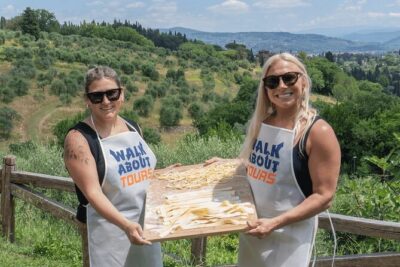
Florence Pizza or Pasta Class with Gelato Making at a Tuscan Farm
Read our review →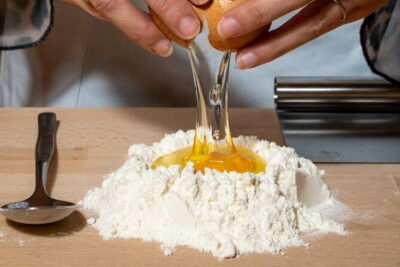
Pasta & Tiramisu Cooking Class with Unlimited Wine
Read our review →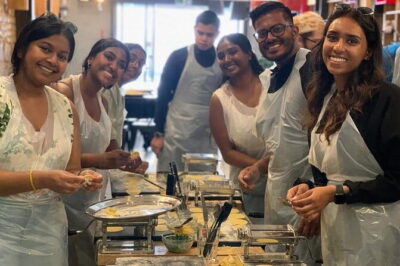
Cooking Class Pasta & Tiramisu Making Unlimited Wine
Read our review →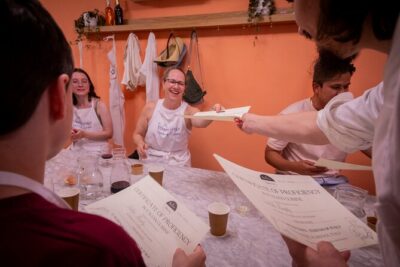
Florence Cooking Class The Art of Making Gelato & Authentic Pizza
Read our review →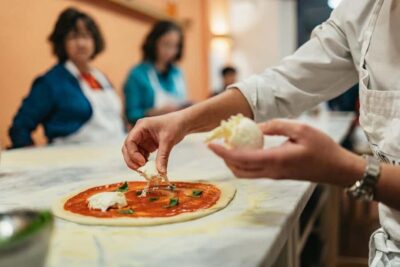

Pasta and Tiramisu Cooking Class with optional Local Market Tour
Read our review →Browse the lists this tour appears in