
Reviewed · FLORENCE COOKING CLASSES
Pasta Cooking Experience in Florence
Fresh pasta is the star here, but the best part is that you do not simply watch a chef work. You make dough, roll it, shape it, prepare sauces, and sit down to eat what the class has produced. The menu has included tagliatelle, ravioli, and gnocchi, with dessert to finish.
I like the practical teaching, especially the small-group setup that lets you handle the ingredients instead of standing at the back of a crowded demonstration. I also like the recipe booklet, which gives you a fair chance of repeating the meal at home. The main drawback is that your pasta may be combined with other groups before cooking, so you might not taste only the batch you personally shaped. Arrive early: latecomers are not accepted.
Key points to know before booking
- Three classic pasta styles: You may prepare tagliatelle or fettuccine, ravioli, and gnocchi, depending on the class plan.
- Hands-on instruction: You make pasta dough, roll and shape it, chop ingredients, stir sauces, and help with dessert.
- Shared final meal: The class eats together in the city center, with your pasta, sauces, dessert, and wine.
- Helpful take-home material: Printed recipes let you try the techniques again after your return home.
- Good for adults and older teenagers: Children under 13 are not permitted, and the class suits people who want to participate rather than just observe.
- Central but not right beside the Arno: The meeting point is on Via Camillo Cavour, so allow walking time from the river and arrive at least 10 minutes early.
What the three-hour Florence pasta class is really like
This is a working cooking lesson followed by lunch or dinner, not a quick pasta demonstration. You spend about three hours with a professional chef, moving through several stages before sitting down to eat together.
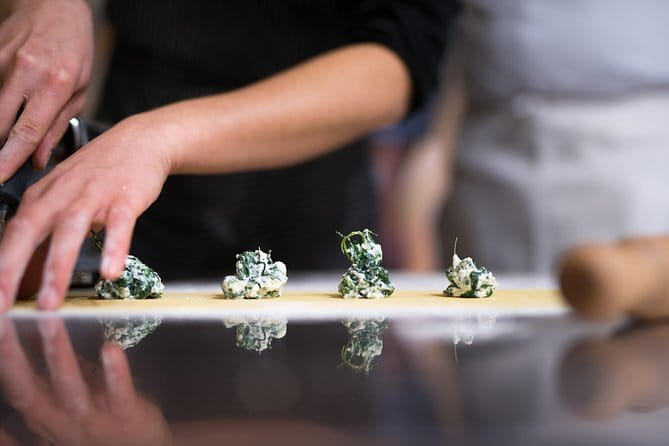
The exact recipes can vary, but the classes have included three pasta forms: tagliatelle or fettuccine, ravioli, and gnocchi. You also prepare sauces to match them and make a dessert. That gives you a useful introduction to different kinds of Italian cooking: rolled pasta, filled pasta, and potato-based gnocchi each require a slightly different touch.
The class is held at Chefactory Academy on Via Camillo Cavour 180. It is in Florence’s city center, though one detailed account placed it about a 30-minute walk from the Arno. I would not schedule a tight museum visit or train departure immediately afterward. Florence is easy to cross on foot, but finding the door, checking in, and getting settled all take a few minutes.
You are told to arrive 10 minutes before the start. Take this seriously. Late arrivals are not accepted, and the instructions say to push the door before calling. That is the sort of small practical detail that can save an expensive booking from turning into a missed class.
More cooking classes in Florence:
- Florence: Pasta Cooking Class with Unlimited Wine
★ 4.9 · 10,285 reviews - Florence Pizza or Pasta Class with Gelato Making at a Tuscan Farm
★ 5.0 · 6,801 reviews - Florence: Pasta & Tiramisu Cooking Class with Unlimited Wine
★ 4.9 · 6,708 reviews
Starting with dough, flour, and basic pasta technique
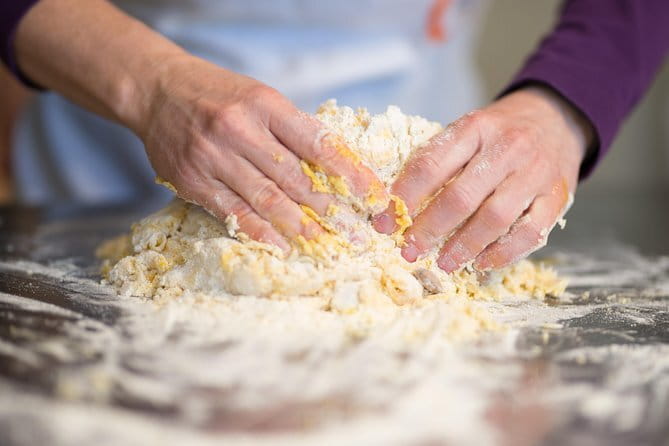
The first useful lesson is making pasta dough from scratch. You prepare your own dough, then learn how to bring it together and work it into a form that can be rolled and shaped.
This is valuable because fresh pasta is less mysterious once you understand the feel of the dough. The class is not only about eating a plate of pasta in Florence. It gives you basic kitchen skills you can use again: how to work the dough, how thin to roll it, and how to shape different pasta types.
You should expect to work alongside other people rather than receive constant one-to-one attention. The class divides participants into smaller working groups, with different people handling parts of the menu. That keeps a larger class moving and gives everyone a job, though your group may be responsible for only one of the sauces.
The lesson has been taught by chefs including Francesco, Greta, Stefano, and other instructors. The teacher on your date may be different. The strongest classes appear to balance clear instruction with a relaxed sense of humor. Francesco has been noted for offering useful cooking tips and patiently helping less experienced cooks, while Greta and Stefano have also led sessions covering several pasta dishes.
Language should be manageable for most international visitors. Instruction is offered in English, Italian, and German. One class also used Spanish, but Spanish is not listed among the regular languages, so do not count on it.
Making tagliatelle, ravioli, and gnocchi
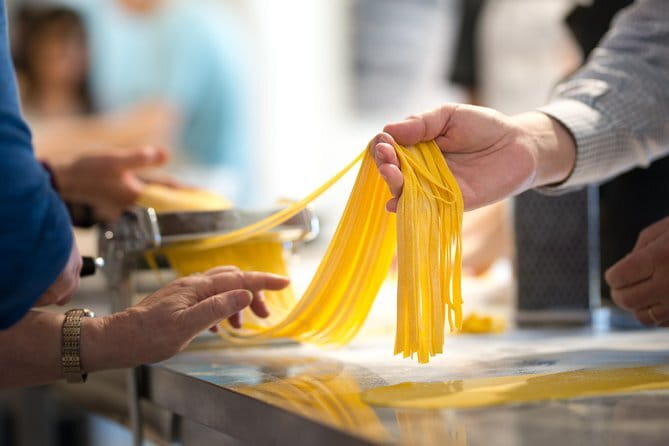
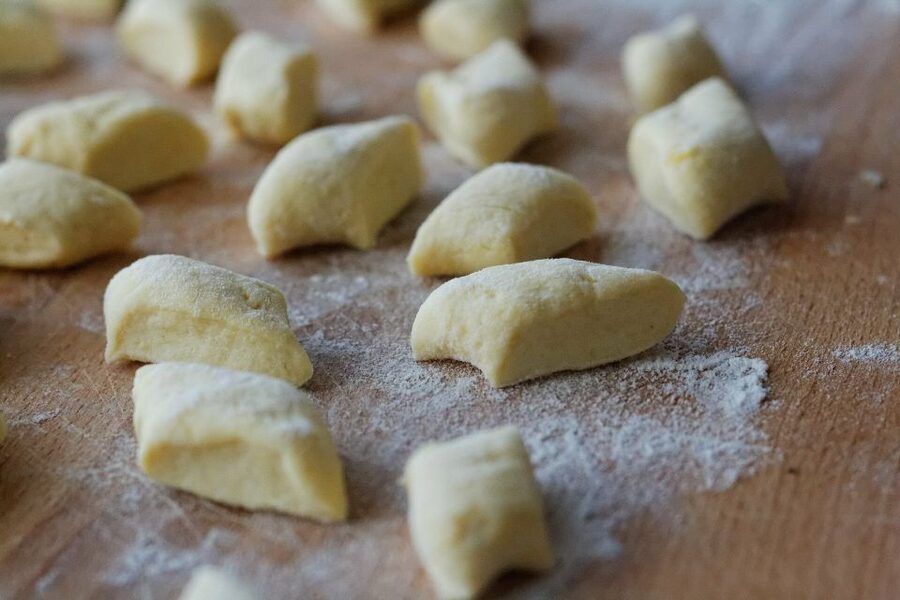
The appeal of the menu is its variety. Tagliatelle or fettuccine teaches you to roll and cut long strands. Ravioli adds filling, folding, and sealing. Gnocchi introduces a softer dough and a different kind of shaping.
You may also prepare two different pasta forms and gnocchi in the same class, rather than spending the full session on one recipe. That makes the three hours feel worthwhile, especially if you want ideas to take home instead of one narrow demonstration.
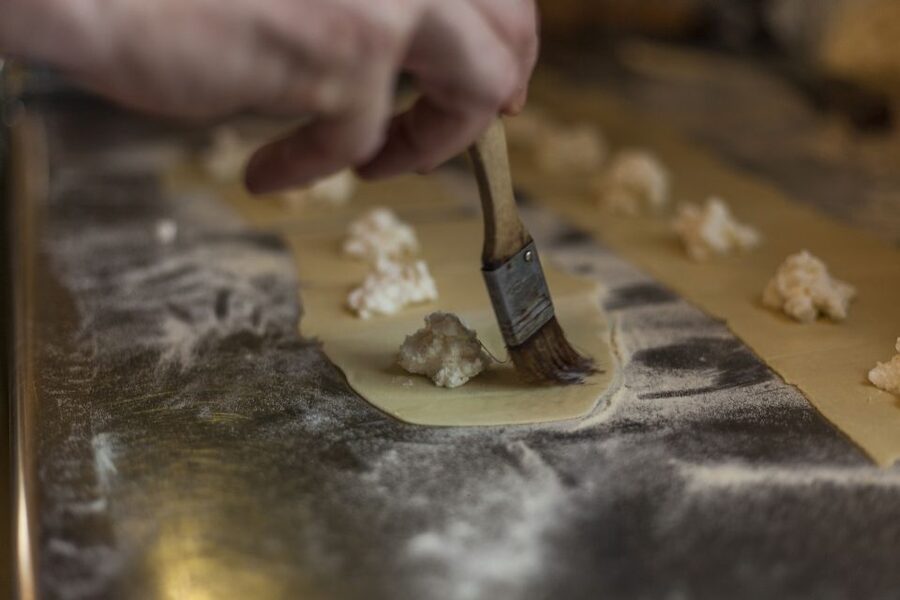
Ravioli takes a little care. The filling must be portioned sensibly, and the edges must be sealed properly so the pasta does not open during cooking. Gnocchi has its own small challenges, since the dough should remain light rather than become heavy and tough. A chef can correct these details as you work, which is one reason the lesson has more value than simply following a recipe online.
The hands-on jobs can include chopping ingredients, stirring sauces, rolling pasta, and shaping the pieces. You are not expected to arrive with cooking experience. The instruction is designed for beginners, and several classes have included people who had never made fresh pasta before.
A small limitation is that you might not personally cook every item you shaped. One participant wanted more time cooking the products, and another found it disappointing that the pasta was combined before cooking. If you want strict control over every piece from dough to plate, ask how the particular session handles the cooking stage before booking.
Sauces, vegetarian choices, and dessert
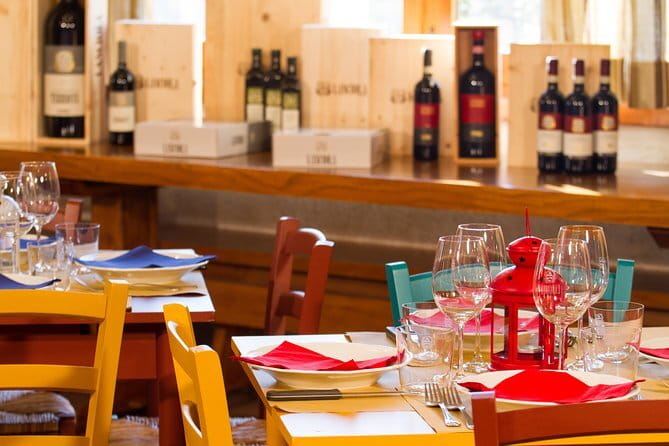
The pasta is only half the meal. The group also makes sauces, with vegetarian options available. In the typical setup, one small group prepares one sauce while other groups handle the others, then everyone samples the finished dishes.
This is a good arrangement for variety. You learn more than one preparation without spending half the class waiting for ingredients to simmer. It also turns the final meal into a shared spread of different pasta and sauces.
The class has accommodated vegetarian and dairy-free needs on at least some occasions. One chef prepared vegetarian, dairy-free alternatives for a participant who could not eat some of the planned dishes. Still, special diets are not fully described in the booking information, so you should raise your needs in advance rather than assume every substitution will be available.
Dessert is included in the meal. It is described as a small dessert rather than a full pastry workshop, so think of it as a pleasant final course, not a separate baking lesson.
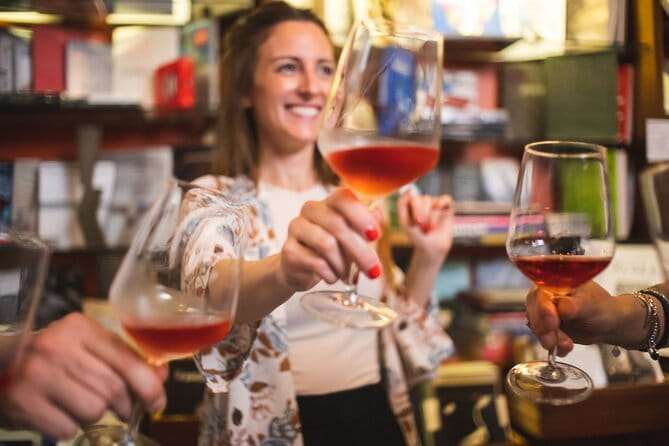
Wine is provided with the meal. The official inclusions specify a glass of wine, while the class description presents wine as part of the Italian dinner. If you are expecting several wine pairings or a formal tasting, this is not that sort of event. It is a cooking class with a glass of wine to accompany the food.
More pasta making classes in Florence:
- Florence: Pasta Cooking Class with Unlimited Wine
★ 5.0 · 6,413 reviews - Pastamania – Florence Pasta Making Class
★ 5.0 · 3,050 reviews - Florence: Cooking Class Pasta & Tiramisu Making Unlimited Wine
★ 5.0 · 2,234 reviews - Florence: Handmade Pasta & Dessert Class with Unlimited Wine
★ 4.8 · 788 reviews
Sitting down to eat what the class has made
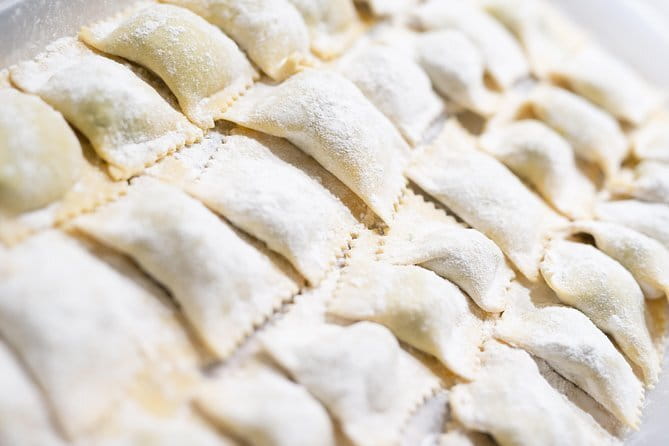
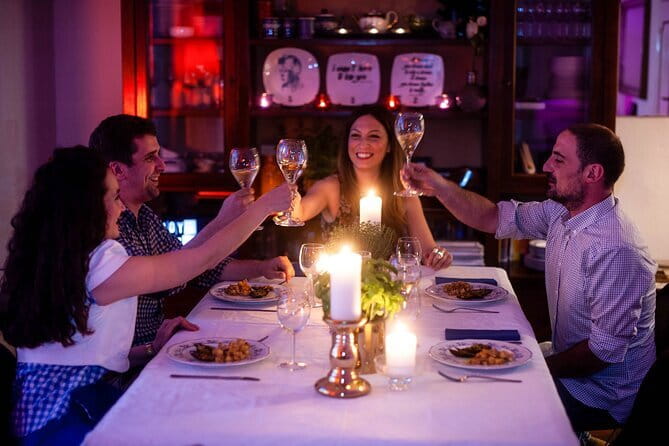
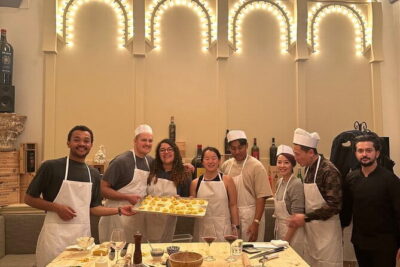
At the end, everyone sits together and eats the pasta, sauces, and dessert. This shared table is an important part of the evening. You are not hurried out after the last instruction, and the meal gives the cooking a clear purpose.
The food is made by the group, so the final result depends partly on how each team handles its assignment. That can be fun, but it also explains the concern about combined pasta. You may eat a mixture prepared by several people rather than a plate made only from your own pieces.
For many people, this is a fair trade. You get to taste more of the menu and share the meal with the class. If you are cooking with friends, the group format is especially appealing because you can work as a team and compare results.
The pace can run longer than expected. One session took more time than anticipated, although the extra time was considered worthwhile. I would leave your evening open rather than booking a timed attraction directly afterward.
The class can also be social. You cook with people from different countries, then sit at the same table to eat. That makes the activity a useful change from sightseeing alone, particularly if you have already spent days visiting churches and museums and want an evening built around doing something.
Is $85 a fair price in Florence?
At $85 per person, the value depends on how much you want from a cooking class. The fee covers the professional chef, ingredients, the cooking instruction, the meal you prepare, dessert, a glass of wine, and the recipes to take home.
That is a reasonable package for a three-hour activity in central Florence. You are paying for instruction as well as food, and the recipe booklet adds lasting value. If you only want a cheap meal, you can eat for less elsewhere. If you want to learn several basic pasta techniques and have dinner included, the price makes more sense.
The strongest value comes from the amount of participation. You are not paying for a chef to make everything while you watch. You handle the dough and help with the sauces, then receive advice you can use in your own kitchen.
The value is weaker for people who want a highly private lesson or a precise tasting menu. This is a group class, and the size can vary. One session had five people, another had 11, and larger groups have been divided into smaller working teams. Ask yourself if you enjoy shared cooking before booking.
Who will enjoy this class most?
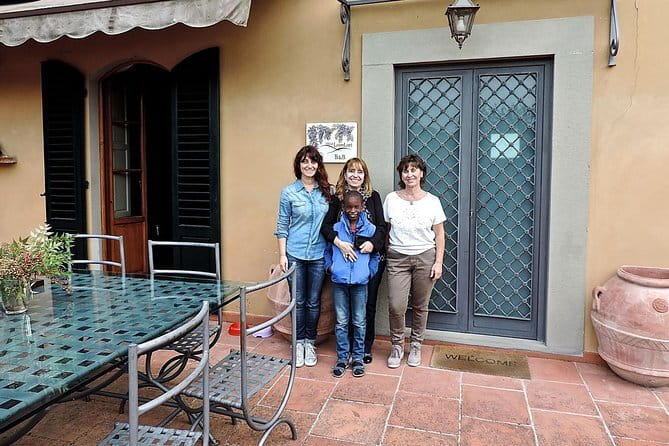
I would recommend it to adults, couples, friends, and families with children aged 13 or older who want a practical break from sightseeing. It also suits beginners who like clear guidance and do not mind getting involved with flour, dough, and shared work surfaces.
It is a good fit if you want to return home with more than photographs. The recipes and basic methods can help you make fresh pasta again, and the class covers several forms rather than one simple dish.
It may be less suitable if you have a very restricted diet, want a private chef, or prefer a short demonstration with minimal participation. It is also not the right choice for children under 13.
The accessibility information is inconsistent. One part of the booking information says the activity is wheelchair accessible, while the important information says it is not wheelchair accessible. Contact the provider and confirm the current setup before booking if this affects you.
Meeting point and timing in Florence
The address is Via Camillo Cavour 180, at Chefactory Academy. This is in the Florentine city center, but do not assume it is just a few steps from the Arno. Allow extra walking time, especially if you are coming from the river or from a major attraction.
No hotel pickup or drop-off is included. You make your own way to the academy, so plan your route before leaving. Florence’s streets can be distracting, and a wrong turn is easy when you are trying to find a specific entrance.
Arrive 10 minutes early. Push the door before calling, as instructed, and do not plan to slip in late. The class depends on everyone beginning together, so latecomers are refused.
The activity runs three times a week, with starting times that vary. Check the available date and time before building the rest of your Florence plans around it.
Booking advice and small practical cautions
Free cancellation is available up to 24 hours before the activity for a full refund. You can also reserve now and pay later, which helps if your Florence schedule is still changing.
Wear something comfortable for a few hours of standing and working, though no special clothing is listed as required. Since you will be handling food, keep your hands free and avoid planning a rushed transfer immediately afterward.
If you have dietary restrictions, contact the provider before the class. Vegetarian alternatives have been prepared, and dairy-free adaptations have been made, but the available options may depend on the menu and the chef working that day.
The class is offered in English, Italian, and German. If language instruction is important to you, select the appropriate option when booking and confirm it if the reservation page is unclear.
Should you book this Florence pasta class?
Book it if you want an active, social meal and the chance to learn pasta skills you can repeat at home. The combination of tagliatelle, ravioli, gnocchi, sauces, dessert, wine, and take-home recipes gives you a full three-hour activity for the price.
I especially like it for a Florence itinerary that already includes plenty of sightseeing. You get a break from looking at historic buildings and spend an evening making something with your hands.
Skip it if you want a private lesson, a formal wine tasting, or complete control over every portion of the cooking. Confirm the accessibility arrangements, arrive early, and accept that the class works as a shared group meal. For most adult beginners, that is a good trade for a practical and tasty Florentine evening.
FAQ
How long does the pasta cooking class last?
The class lasts about three hours, including the cooking lesson and the meal at the end.
Where does the class meet?
The meeting point is Chefactory Academy at Via Camillo Cavour 180 in Florence.
How early should I arrive?
You should arrive 10 minutes before the scheduled start. Latecomers will not be accepted.
What happens if I arrive late?
Latecomers are not accepted, so allow extra time to reach Via Camillo Cavour 180 and find the entrance.
What pasta dishes will I make?
The class can include tagliatelle or fettuccine, ravioli, and gnocchi. The exact menu may vary.
Are sauces included in the class?
Yes. You prepare sauces to accompany the pasta, and vegetarian options are available.
Is dessert included?
Yes. The group prepares and eats a dessert with the pasta meal.
Is wine included?
A glass of wine is included. The class description presents it as part of the meal.
Are children allowed to join?
Children under 13 are not allowed to take part.
Is hotel transportation included?
No. Hotel pickup and drop-off are not included, so you must make your own way to the meeting point.
Recently added around Florence
- Accademia and Uffizi Small-group Guided Tour★ 4.5 · 8 reviews
- The David from Michelangelo.★ 5.0 · 3 reviews
- Combo: Accademia + walking + Uffizi Galleries Guided Tour★ 3.5 · 6 reviews
- The Complete Wine Tour Brunello, Nobile, Chianti wine experience★ 4.0 · 7 reviews
- The Best of Tuscany in 3 Days★ 4.5 · 13 reviews
- The Cooking Lab – Authentic Food Experience★ 5.0 · 113 reviews
- Florence Central Market Food Tour – Private Tour★ 4.0 · 7 reviews
- Family Friendly Florence Private City Tour★ 5.0 · 47 reviews
Florence Cooking Classes, compared.
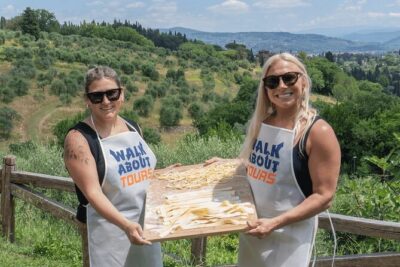
Florence Pizza or Pasta Class with Gelato Making at a Tuscan Farm
Read our review →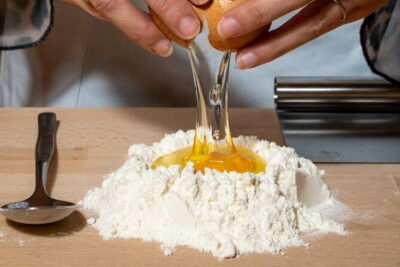
Pasta & Tiramisu Cooking Class with Unlimited Wine
Read our review →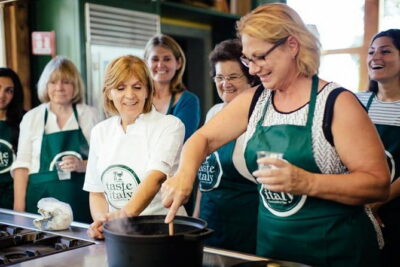
Cooking Class and Lunch at a Tuscan Farmhouse with Local Market Tour from Florence
Read our review →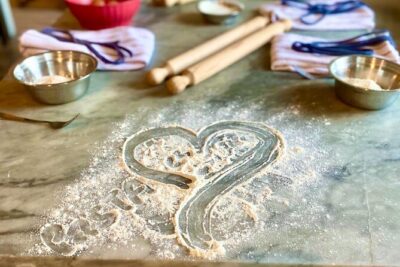
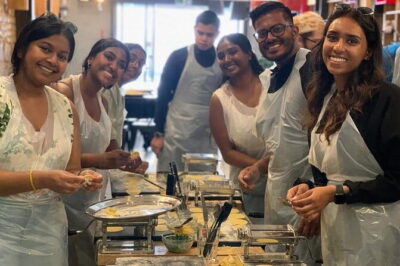
Cooking Class Pasta & Tiramisu Making Unlimited Wine
Read our review →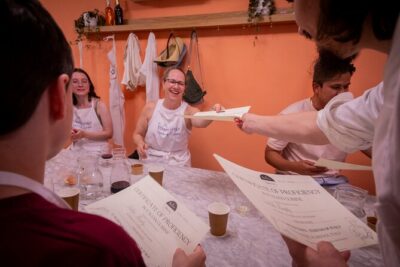
Florence Cooking Class The Art of Making Gelato & Authentic Pizza
Read our review →Browse the lists this tour appears in