
Reviewed · 3-HOUR EXPERIENCES
Florenz: most important Moments in 3 hours
Florence’s greatest sights fit into a surprisingly compact walk, and this tour connects them through the families who shaped the city. You begin at Santa Maria Novella, then follow the trail of the Medici, Strozzi, Rucellai, Antinori, Vespucci, Ginori, and Pazzi toward the Duomo, Piazza della Signoria, and Ponte Vecchio.
I like the clear route and the focus on stories rather than a bare list of monuments. I also like that the guide returns you to Santa Maria Novella, where you can visit the famous Dominican pharmacy afterward. The main point to weigh is that no interiors are included, and the supplied details describe the experience as both two and three hours, so confirm the exact departure length when booking.
Key points to know before you book
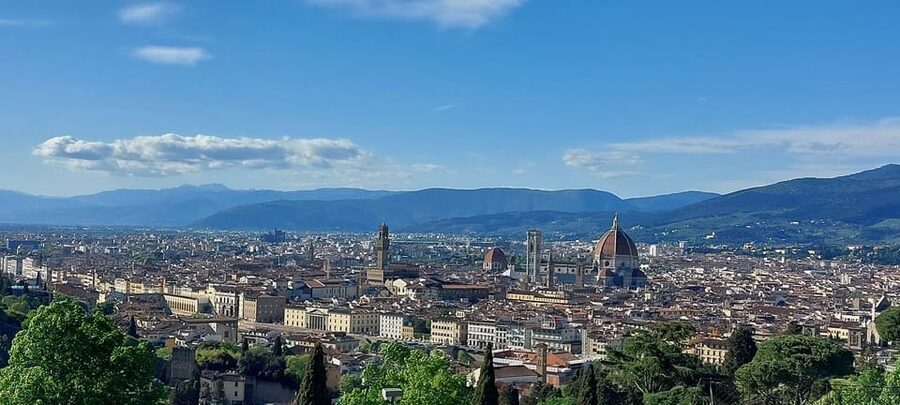
- A 2-kilometer walk through Florence’s central sights: The route links Santa Maria Novella, San Lorenzo, the Medici quarter, the cathedral, Piazza della Signoria, and Ponte Vecchio.
- A family-focused way to understand Florence: The guide places famous names such as the Medici, Strozzi, Pazzi, Rucellai, Antinori, Vespucci, and Ginori in the streets where their influence took shape.
- Santa Maria Novella is both the start and finish: You meet beneath the loggia opposite the church, then return there at the end.
- The Duomo is an exterior highlight: You see Brunelleschi’s dome, but the tour does not include entry into the cathedral or other buildings.
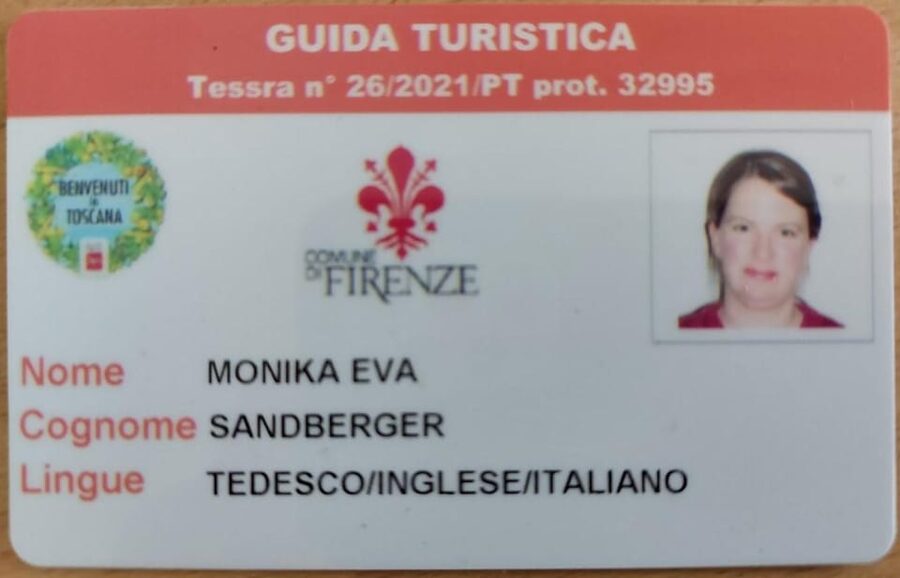
- Monika is a particularly praised guide: German-speaking participants repeatedly describe her explanations as clear, informative, and entertaining.
- Best for people who walk comfortably: Comfortable shoes, water, sun protection, and weatherproof clothing will make the outing easier.
Starting under the loggia at Santa Maria Novella
The meeting point is on the south side of Piazza Santa Maria Novella, opposite the church, under the loggia near the entrance to Museo Novecento. This is a useful place to begin because the square gives you an immediate sense of Florence’s layered past: a major church, a broad public space, and nearby streets leading into the old center.
The tour begins with Santa Maria Novella’s famous facade, designed by Leon Battista Alberti. Its orderly marble pattern gives you an early lesson in Renaissance taste, where geometry, proportion, and family money all mattered. Your guide uses the church and surrounding square to set up the larger story of Florence, a city where religious institutions, banking families, workshops, and political power were closely linked.
The return to this same square is practical. You do not need to find your way to a distant endpoint, and you can continue sightseeing from a familiar location. At the end, the Dominican pharmacy is available for an independent visit. The pharmacy is an important part of the Santa Maria Novella experience, but it is not an included interior stop on the walking tour.
More three-hour experiences in Florence:
- Private Florence Tour: 3-Hour Walking Tour with a Licenced Guide
★ 5.0 · 233 reviews - 3 Hour Florence Pasta Making & Unlimited wine
★ 5.0 · 24 reviews - 3 hour Walking Tour Statue of David and Florence Highlights
★ 5.0 · 23 reviews
San Lorenzo and the Medici family trail
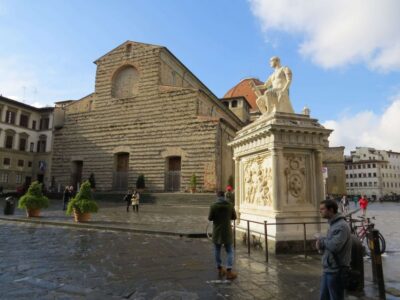
From Santa Maria Novella, the route moves toward San Lorenzo. This section brings Florence’s powerful families into sharper focus, especially the Medici. San Lorenzo is known as the burial place of the Medici, so it is one of the most useful stops for understanding how a banking family became the dominant political force in the city.
The surrounding area also has a more everyday side. The leather craft market gives the neighborhood a commercial feel, with stalls and shops rather than only grand monuments. That contrast is helpful. Florence was not just a city of palaces and famous patrons. It was also a working city of artisans, traders, and small businesses.
You should expect to hear about family influence through places, names, and buildings. The Rucellai, Ginori, Antinori, Strozzi, Medici, Vespucci, and Pazzi families are treated as part of the city’s physical record. Graves, churches, palazzi, shops, and street names all help connect people from the past with the Florence you see today.
The drawback is that this part can feel busy and visually crowded, especially around the market area. You will get more from it if you pay attention to the guide’s explanation of how the streets fit together instead of treating San Lorenzo as a quick photo stop.
Palazzo Medici-Riccardi and the city of banking
Palazzo Medici-Riccardi adds a political and financial layer to the walk. The palace is tied to the Medici banking family, and its location helps explain how wealth translated into influence. Florence’s leading families did not build grand homes simply for comfort. Their palazzi announced status, stability, alliances, and control.
This is one of the points where a guide can make a major difference. A palace facade may look like another handsome Renaissance building if you only pass by. With context, it becomes evidence of a family competing for public respect while quietly gathering power.
The tour remains outside. You will not receive an interior visit to Palazzo Medici-Riccardi, and tickets are not included. That keeps the walk moving and makes the experience suitable for someone who wants a first orientation to Florence, but it will not satisfy you if your main goal is to see frescoes, chapels, tombs, or palace rooms.
The cathedral and Brunelleschi’s dome
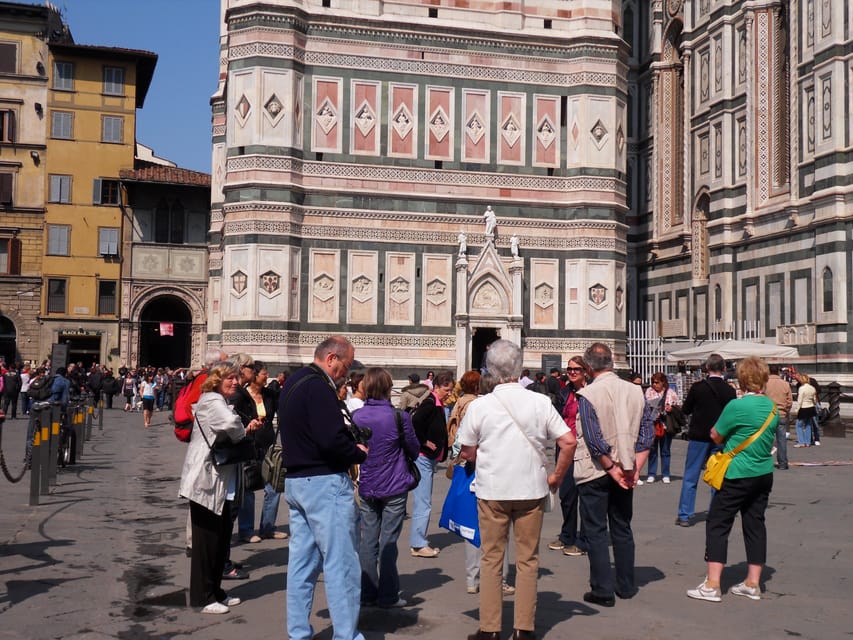
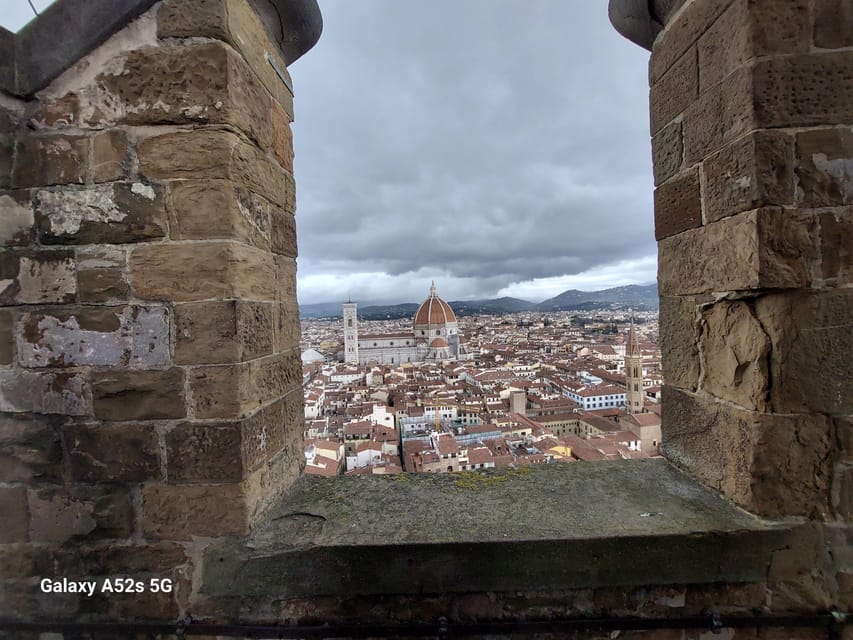
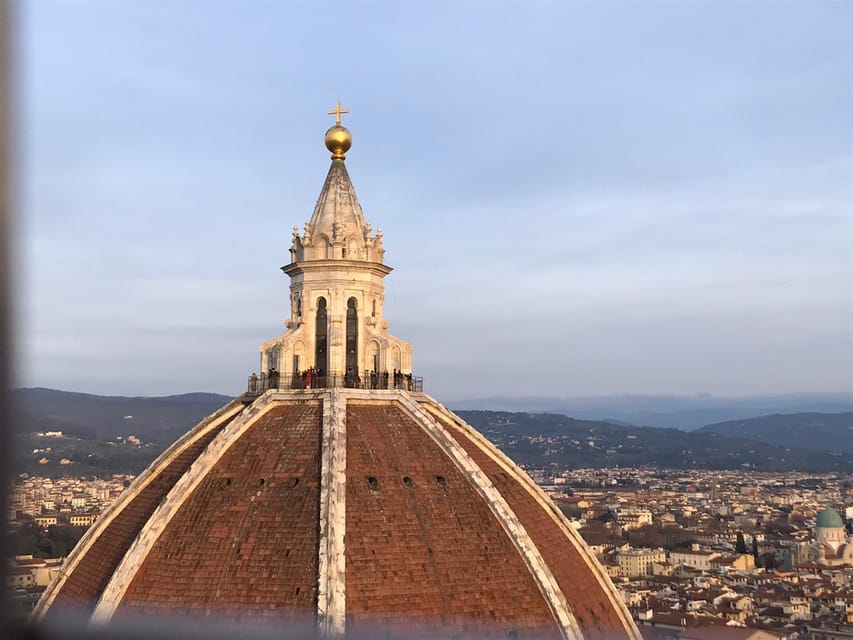
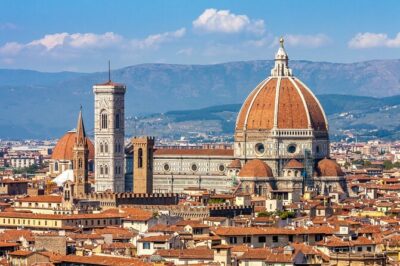
The cathedral is the visual center of the route. From outside, you see the marble cathedral complex and Brunelleschi’s famous dome, one of Florence’s defining sights. The dome is not only a landmark. It also represents the technical ambition and civic pride of Renaissance Florence.
The guide’s role here is to give the building a place in the city’s story. You can look at the dome from the square, but the explanation helps you connect it to the same network of money, talent, religion, and competition that shaped the palaces and churches earlier in the walk.
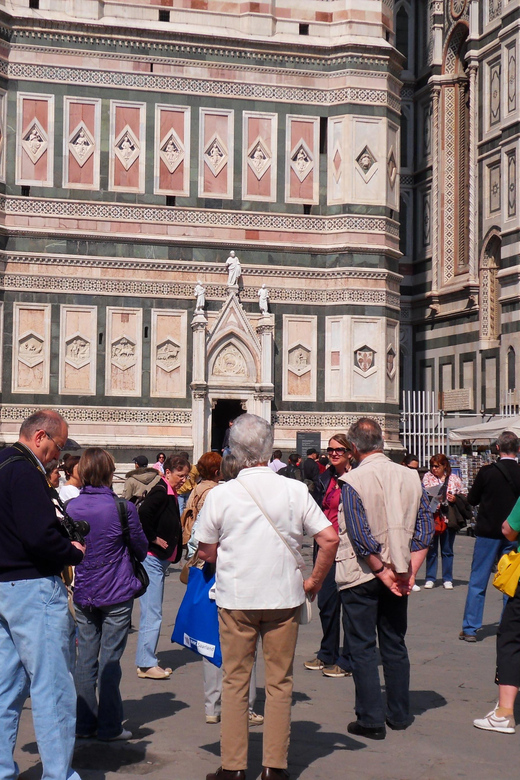
Allow time to look up. The cathedral area rewards a slower pause because the scale changes abruptly from narrow streets to the open piazza and towering facade. It is also a popular place for photographs, so your guide may need to keep the group moving through busy pedestrian space.
Since this is not an interior tour, you will not enter the cathedral or climb the dome as part of the activity. If you want those experiences, plan them separately and check ticket arrangements on your own. This walking tour gives you the outside view and the background needed to decide what deserves a return visit.
A completely different way to spend an afternoon in Florence:
- Florence: Skip-The-Line Uffizi Gallery Timed Entry Ticket
★ 4.5 · 27,832 reviews - Tuscany Day Trip from Florence: Siena, San Gimignano, Pisa and Lunch at a Winery
★ 5.0 · 21,634 reviews - Florence: Timed Entrance Ticket to Michelangelo’s David
★ 4.6 · 16,983 reviews - Florence: Michelangelo’s David Skip-the-Line Entry Ticket
★ 4.5 · 12,764 reviews
Piazza della Signoria and Florence’s public face
The route continues to Piazza della Signoria, the square associated with Florence’s civic power. Here, the focus shifts from family churches and private palaces to the city’s public identity. The town hall area helps explain how Florence presented authority in stone, sculpture, and open civic space.
This is an especially useful stop if you want to understand why Florence can feel like an outdoor history book without entering a museum. The buildings and public spaces preserve the story of rival families, political decisions, and changing ideas about power.
The square also makes clear why an exterior tour has value. You can see the relationship between the town hall, the piazza, and the streets leading onward. A guide can point out how the city’s major landmarks are connected rather than treating each one as an isolated attraction.
There is a tradeoff. Piazza della Signoria is one of Florence’s busiest central areas, so it may be difficult to stand in one quiet spot for a long explanation. Wear shoes that let you stop and start comfortably, and keep water handy.
Ponte Vecchio and the walk back
The old bridge, Ponte Vecchio, provides the route’s final major landmark before the return to Santa Maria Novella. Its position over the Arno gives the walk a change of mood after the churches, markets, palaces, and political squares of the historic center.
The bridge is a natural place to tie the tour’s themes together. Florence’s identity was built through commerce, family influence, religion, craftsmanship, and civic power. Ponte Vecchio connects those ideas to the river and to the movement of people and goods through the city.
You should not expect a long stop with a separate shopping session. The tour is built around walking and explanation, with photo opportunities along the way. If you want time to browse the bridge or take careful pictures, you may need to return later.
The group then finishes at Santa Maria Novella. That endpoint makes it easy to continue to the church area, visit the Dominican pharmacy independently, or move on to another part of Florence.
What the two-hour format means for you
The supplied information gives the experience a three-hour title and also lists a two-hour duration. The itinerary itself describes a two-hour Florence visit, while the included services refer to a three-hour city tour. Because of that mismatch, check the precise length and start time before committing to other plans.
Either way, the route covers about 2 kilometers, which is not a long distance for most active walkers. The challenge comes from standing, stopping, uneven city surfaces, crowds, and the warm Tuscan sun rather than from the mileage alone.
Bring:
- Comfortable walking shoes
- Water
- A sun hat
- Weatherproof clothing
- An umbrella if rain is possible
- Comfortable clothes
- A passport or identity card, or an accepted copy
The instructions also request a passport-sized photo. Keep that requirement in mind when preparing. Pets, walking frames, and unaccompanied minors are not permitted, and the activity is not suitable for children under seven, babies under one, wheelchair users, people with low fitness, or people with visual or hearing impairments.
The guide speaks German, Italian, and English. Monika has received especially strong praise for making the material easy to follow and entertaining. That matters here because the walk is built around names, connections, and historical sequence. A clear guide keeps the information from turning into a blur of dates and surnames.
What is included, and what is not
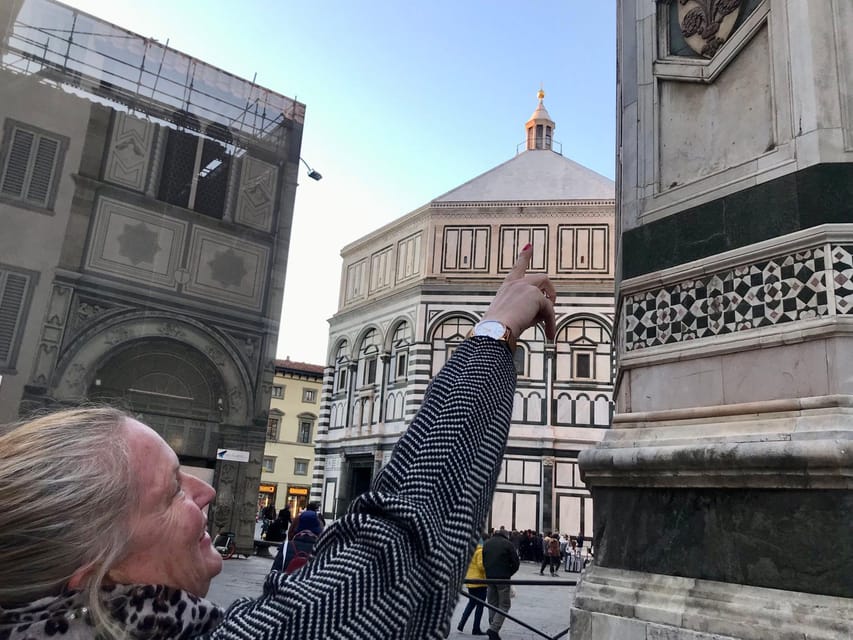
The price is $59 per person. I consider that reasonable if you want a guided introduction to Florence’s central monuments and prefer a connected story over independent sightseeing. You are paying for a live guide, a planned route, and explanations that help you understand why these places matter.
The value is lower if you already know Florence well or mainly want to enter major buildings. There is no tasting, catering, or ticket included. You also do not receive interior visits to Santa Maria Novella, San Lorenzo, the cathedral, Palazzo Medici-Riccardi, or the town hall area.
That limitation is clear and important. This is an orientation walk, not a museum tour. It works best early in a Florence visit, when you want to learn the shape of the center and identify places to explore at greater length later.
The booking terms are flexible: you can cancel up to 24 hours before the activity for a full refund, and you can reserve now and pay later. Those policies are useful if your Florence schedule is still changing, but the main decision remains the format. Book it for the guide’s explanations and route, not for included admission.
Who will get the most from this Florence walk
I would recommend this experience to a first-time visitor who wants the major sights placed in context without spending a full day on a formal museum visit. It also suits you if you enjoy political and family stories, especially the rise of the Medici and the rivalry among Florence’s patrician families.
It is a good fit for visitors with limited time. In one compact outing, you see Santa Maria Novella, San Lorenzo, Palazzo Medici-Riccardi, the cathedral, Piazza della Signoria, and Ponte Vecchio. You can then return to the places that caught your attention.
I would choose something else if you need step-free access, have trouble walking for two kilometers, or want to spend most of the time indoors. I would also avoid it if you expect a food tasting or a leather-shopping tour. The market is part of the route, but tasting and catering are not included.
Should you book it?
Book this tour if you want a brisk, story-led introduction to Florence’s Renaissance center, with special attention to the families behind the churches, palaces, and street names. The clear route, central endpoint, multilingual guiding, and Monika’s well-praised teaching style make it a sensible first look at the city.
Skip it if you want interior access, extensive free time at each landmark, or a fully accessible route. Before paying, confirm whether your departure lasts two or three hours, since the supplied details use both durations. For a fit walker who values context more than tickets, $59 is a fair price for getting your bearings and learning what to revisit.
FAQ
Where does the Florence walking tour meet?
You meet on the south side of Piazza Santa Maria Novella, opposite the church, under the loggia near the entrance to Museo Novecento. The listed address is P.za di Santa Maria Novella, 29r.
How long is the tour?
The activity details describe a two-hour walk, while the title and included-services information refer to three hours. Confirm the exact duration when booking.
How far do you walk?
You cover approximately 2 kilometers on foot through central Florence.
Which languages are available?
The live guide service is available in German, Italian, and English.
Are entrance tickets included?
No. Tasting, catering, and tickets are not included, and the walk does not include interior visits.
Is the tour suitable for wheelchair users or young children?
No. It is not suitable for wheelchair users, children under seven, babies under one, people with low fitness, visually impaired people, or hearing-impaired people.
Recently added around Florence
- Accademia and Uffizi Small-group Guided Tour★ 4.5 · 8 reviews
- The David from Michelangelo.★ 5.0 · 3 reviews
- Combo: Accademia + walking + Uffizi Galleries Guided Tour★ 3.5 · 6 reviews
- The Complete Wine Tour Brunello, Nobile, Chianti wine experience★ 4.0 · 7 reviews
- The Cooking Lab – Authentic Food Experience★ 5.0 · 113 reviews
- Florence Central Market Food Tour – Private Tour★ 4.0 · 7 reviews
- The Best of Tuscany in 3 Days★ 4.5 · 13 reviews
- Family Friendly Florence Private City Tour★ 5.0 · 47 reviews
3-Hour Experiences, compared.
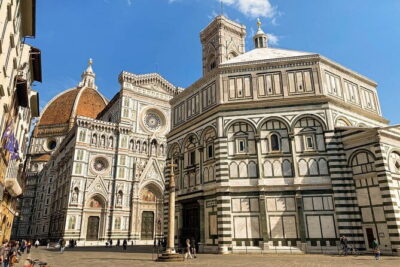
Private Florence Tour: 3-Hour Walking Tour with a Licenced Guide
Read our review →
3 hour Walking Tour Statue of David and Florence Highlights
Read our review →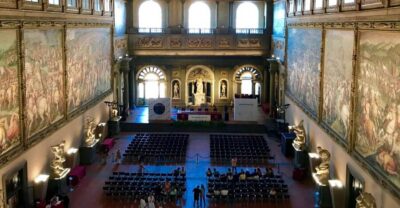
Medieval & Renaissance Private 3-Hour Walking Tour
Read our review →
3 hours: Private walking tour of Florence and Accademia Gallery guided visit
Read our review →
3 Hour Horse Ride to a Castle for Wine Tasting and snack Lunch
Read our review →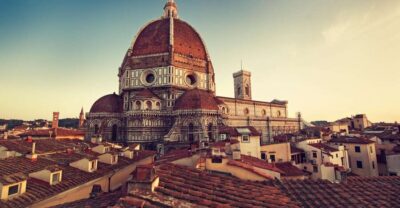
Private 3-Hour Guided Tour & Uffizi Gallery Visit
Read our review →Browse the lists this tour appears in