
Reviewed · FLORENCE COOKING CLASSES
4-Courses Cooking Experience in Florence
The best part of this Florence cooking class is that it goes beyond the usual pasta lesson. You prepare four Tuscan courses, from antipasti and handmade pasta to a meat dish with vegetables and dessert, then sit down to taste the meal with wine and water. It is a full evening of cooking, eating, and meeting people from several countries.
I like the hands-on menu and the chance to learn more than one pasta shape or sauce. I also like the social setup, with a small student group and a professional kitchen rather than a staged restaurant show. The main concern is pace: one class felt rushed at the end, and a larger or noisy group may limit how much direct cooking you do.
Key points to know before booking
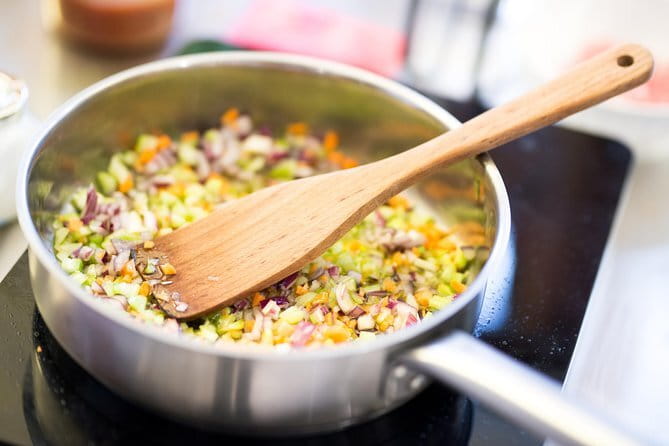
- Four courses instead of a single pasta lesson: You prepare antipasti, fresh pasta, a meat and vegetable course, and dessert.
- A social cooking-school setting: The class is taught in English and brings together people from different countries.
- Helpful named instructors: Stefano, Francesco, and Caterina have each been praised for friendly, patient, or engaging teaching.
- A substantial evening activity: The class begins at 5 p.m. and lasts about four hours, with the food you prepare served at the end.
- Vegetarian cooking is possible: Request the vegetarian option when booking.
- Check the group-size details: The experience is described as having no more than 15 student chefs, while the additional booking information allows up to 20 people.
Four Tuscan courses at 5 p.m.
This class begins at 5 p.m. on Via Camillo Cavour, north of central Florence. The address is near public transportation, though one person found the walk from a hotel tiring. If you are starting near the main Florence plaza, allow roughly 20 minutes on foot based on the directions provided for the school.
The timing works well for an evening in Florence. You spend the late afternoon and early evening cooking, then finish with a shared meal rather than rushing straight to another restaurant. The stated duration is about four hours, so this is not a quick activity to squeeze between museum visits.
The menu gives the class a useful Tuscan shape. You begin with various antipasti, continue with fresh pasta and either meat or vegetable ragù, prepare meat with vegetables for the second main course, and finish with a sweet dessert. The exact recipes are not specified, so you should book for the cooking format and range of dishes rather than for a guaranteed recipe such as a particular kind of gnocchi or tiramisu.
That broad menu is a real strength. A pasta-only class can leave you with one technique and a short meal. Here, you get a look at several parts of an Italian meal: cutting and preparing vegetables, making pasta, building a sauce, cooking a main course, and ending with something sweet.
More cooking classes in Florence:
- Florence: Pasta Cooking Class with Unlimited Wine
★ 4.9 · 10,285 reviews - Florence Pizza or Pasta Class with Gelato Making at a Tuscan Farm
★ 5.0 · 6,801 reviews - Florence: Pasta & Tiramisu Cooking Class with Unlimited Wine
★ 4.9 · 6,708 reviews
Handmade pasta is the main practical lesson
The fresh pasta portion is likely to be the most useful part for many people. You work with pasta dough and pair it with a meat or vegetable ragù. The class is designed for all skill levels, and the instruction includes cooking tips and cutting techniques, not just a demonstration followed by lunch.
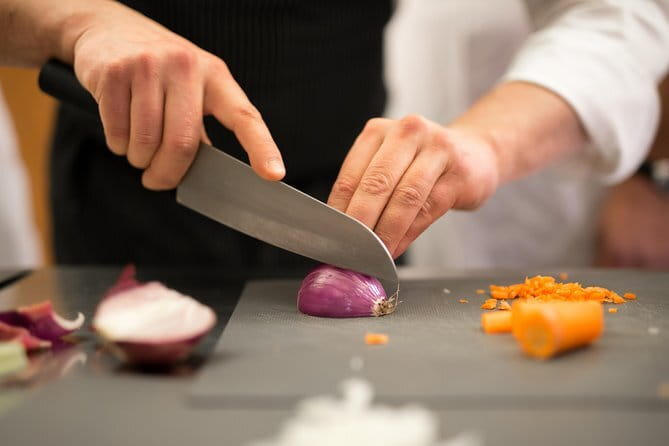
One especially useful detail from the teaching is the attention to knife work. Francesco was praised for showing techniques that students had not known before, along with practical kitchen advice. That matters because the best cooking classes give you habits you can repeat at home, not only a recipe you may never make again.
The level of participation can depend on the group. Several people described the class as hands-on and said the chefs made sure everyone took part. One person, however, felt the group was too large and that some students did not share the work well. If you care strongly about having your own time at the counter, ask about the expected group size before paying. The advertised information gives two different limits, no more than 15 student chefs in one description and up to 20 travelers in another.
Instructions may also come in a long opening explanation rather than in small steps as you cook. That approach can be efficient for the teacher, but it may leave you listening for stretches instead of chopping, rolling, or stirring. If you learn best by doing, stay engaged and ask for clarification as each stage begins.
Antipasti, ragù, meat, and dessert
The first course is a selection of antipasti. Since the menu only says various antipasti, do not expect a fixed list of ingredients. Think of it as an introduction to the flavors and preparation style used in the meal.
The pasta course follows, with fresh pasta served with meat or vegetable ragù. This is where the group’s work starts to come together. You are not simply watching a chef prepare a plate. You are helping create a sauce and pasta dish that later becomes part of the shared meal.
The second main course pairs meat with vegetables. That gives the class more range than many short pasta workshops, but it also adds work and timing. Four courses require coordination, especially when several people share stations and equipment. The class can feel full and satisfying, though anyone hoping for a slow, leisurely dinner should keep the schedule in mind.
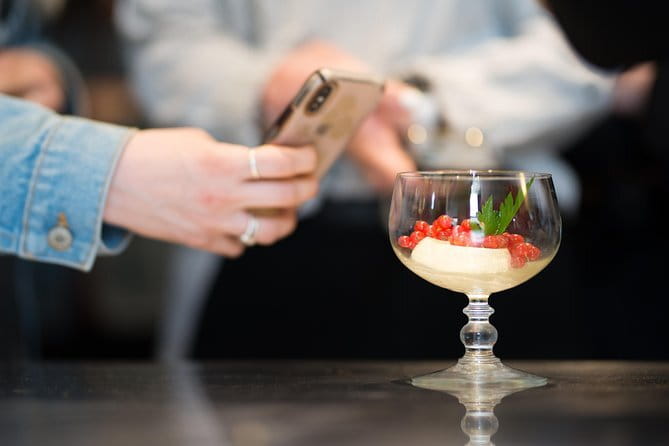
Dessert completes the menu. The specific sweet is not given, so this portion is best viewed as part of the full meal rather than the reason to book. The value is in learning several course types in one session and then eating them together.
The meal you help prepare
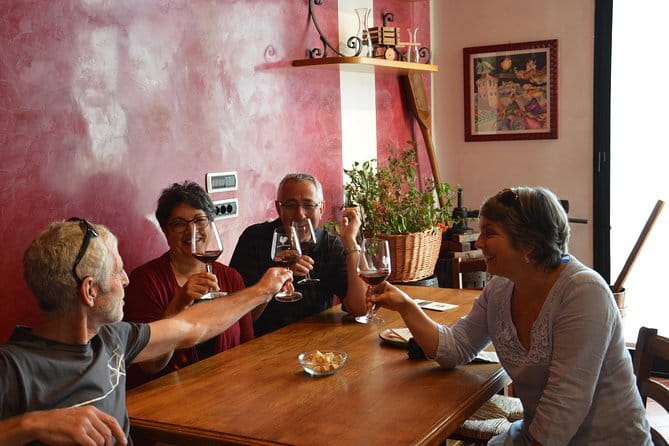
At the end, you taste the dishes prepared during the class. Water and wine are included, which makes the meal feel like part of the experience rather than an extra charge after the cooking ends.
The food received some of the strongest praise. People described the menu as simple, delicious, and surprisingly good for a group class. That is encouraging for anyone who wants a practical meal rather than a cooking demonstration with small samples.
Still, the meal service is one area where expectations should stay realistic. One person felt rushed while eating and was finished by about 7:30 p.m. Another was concerned that food they had helped prepare was still sitting elsewhere in the kitchen and that they did not eat the gnocchi they thought they had made. That appears to have been an individual problem, not the stated format, but it points to a useful question: confirm that the food you prepare will be served to your table.
The wine is included, but one person felt it was served only at the end and did not enjoy it. Do not book this primarily as a wine tasting. The focus is cooking, and the wine is a supporting part of the meal.
A completely different way to spend an afternoon in Florence:
- Florence: Skip-The-Line Uffizi Gallery Timed Entry Ticket
★ 4.5 · 27,832 reviews - Tuscany Day Trip from Florence: Siena, San Gimignano, Pisa and Lunch at a Winery
★ 5.0 · 21,634 reviews - Florence: Timed Entrance Ticket to Michelangelo’s David
★ 4.6 · 16,983 reviews - Florence: Michelangelo’s David Skip-the-Line Entry Ticket
★ 4.5 · 12,764 reviews
A professional cooking school, not a home kitchen
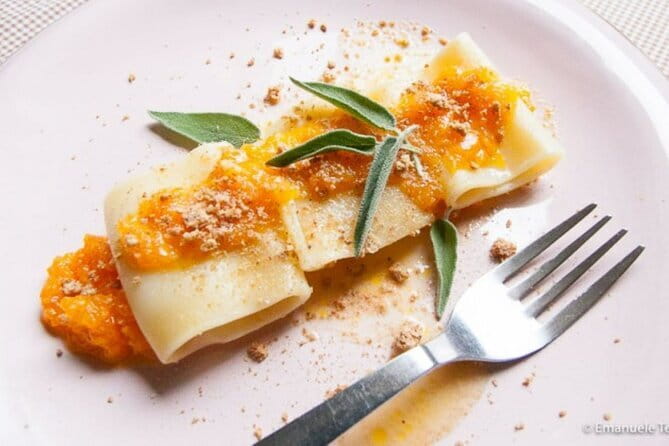
The class takes place at a cooking school with suitable equipment and dedicated work areas. That is good news if you want a clean, organized place where the instructor can demonstrate techniques clearly.
It also shapes the feel of the evening. This is not a small lesson in an Italian grandmother’s kitchen. It is a structured cooking class with a professional setup, shared stations, and several people working at once. One Italian participant specifically appreciated the school’s proper equipment and space while also noting that it was different from a home-style lesson.
I see both sides. The school format can make the lesson easier to follow and allows the class to handle a four-course menu. On the other hand, the room may feel less personal, especially when the class is full. A separate comment described the space as very noisy, with conversation and kitchen activity making it hard to hear.
If hearing every instruction matters to you, choose a place near the chef and speak up when the room gets loud. That small move may make a big difference.
The chefs make the difference
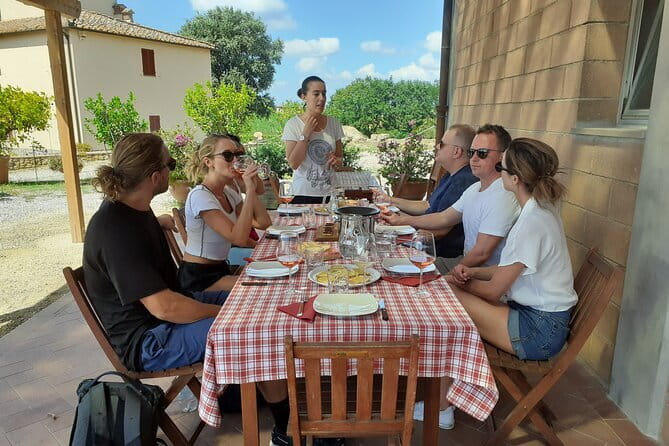
The instructors are central to the experience. Stefano was described as personable and engaging, with a style that worked well for a family activity. Francesco was praised for professionalism, cooking skill, patient instruction, and good company. Caterina was also mentioned in connection with a class that the provider described as enjoyable.
The most consistent positive theme is the teaching style. The chefs are credited with making people feel included, keeping the mood light, and offering useful tips beyond the basic recipes. That is particularly helpful if you have little cooking experience or feel nervous about working in front of a group.
You should also understand that the class may rely on one or more instructors handling a busy room. One negative experience described a chef as stressed and overworked. A separate person felt the instructions were not paced well. These comments do not erase the many positive accounts, but they show why group size and the day’s staffing can affect the result.
A social evening with a built-in conversation starter
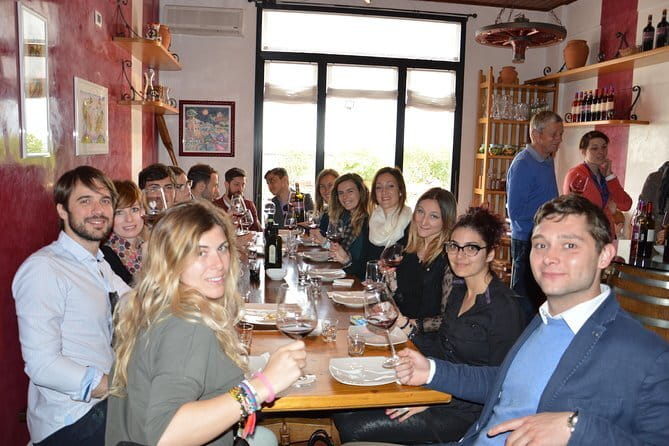
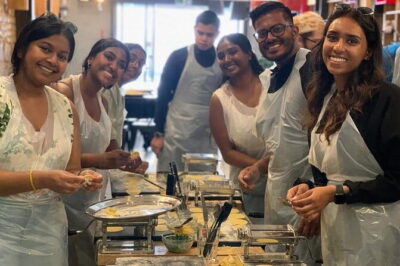
The class is well suited to people who enjoy meeting others while doing something practical. You are grouped with people from different countries, and the shared meal gives everyone an easy topic of conversation. Several people valued the chance to cook together and make new connections.
This setup works especially well for solo visitors, couples, and families with older children who can follow kitchen instructions. It is also a good choice if you want an evening activity that feels more active than sitting in a restaurant.
It may be less suitable if you want a private lesson, a quiet room, or full control of every dish. The class is social by design. You share work, equipment, and table space, and your experience depends partly on how well the group takes turns.
Price and value at $94.82
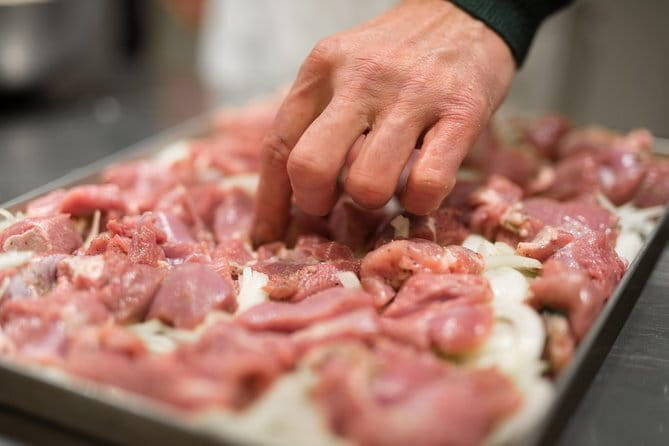
At $94.82 per person, this is not a budget meal. The value comes from combining instruction, ingredients, a four-course dinner, water, wine, and an evening activity lasting about four hours.
I think the price can make sense if you would otherwise pay for a Florence dinner and a separate activity. You are getting food plus instruction and a social experience. The handmade pasta lesson and the chance to learn cutting and preparation techniques add value that a standard restaurant meal does not provide.
The price is harder to justify if your main goal is a quiet, polished dinner or a private teacher. You may spend part of the class waiting for a turn, listening to group instructions, or dealing with a noisy room. The experience earns its value through participation, not luxury.
Book well ahead if your dates are fixed. This class is often reserved about 67 days in advance, which suggests that popular travel periods can fill early. Confirmation is provided at booking, and free cancellation is available up to 24 hours before the start time. If the minimum number is not reached and the class is canceled, you are offered another date or experience, or a full refund.
Vegetarian requests and practical planning
Vegetarian cooking is available on request. Make that request when you book rather than waiting until you arrive, since the standard menu includes meat in the ragù option and in the second main course.
The meeting point is Via Camillo Cavour, 180, 50121 Florence, and the activity ends there. It is near public transportation, but the walk may feel long depending on where you are staying. Plan your route before the 5 p.m. start, especially if you have spent the afternoon across town.
Bring an appetite, but do not assume the meal will finish at a fixed time earlier in the evening. The advertised length is approximately four hours, and one person felt rushed during the final eating period even though the class ended sooner than expected. The exact pace can vary with the group and kitchen work.
Who should book this Florence cooking class?
I would choose this class if you want a full Tuscan menu, not just a pasta demonstration. It suits you if you enjoy working with your hands, meeting new people, and learning kitchen tips that you can use at home.
Families can enjoy it, especially when the instructor keeps the mood light. Couples get a shared activity with a meal at the end. Solo visitors have an easy way to meet people without needing to arrange a dinner companion.
I would hesitate if you dislike group activities or need a calm, quiet setting. I would also ask about the current group limit if hands-on time is important to you. The difference between 15 and 20 participants can affect how often you get to use the tools and take part in each stage.
My booking call
Book this experience if the appeal is cooking several Tuscan courses with an outgoing group. The food, patient instruction, and social setting have been the strongest parts, and the four-course format gives you more than a basic pasta class.
Skip it if you want a private kitchen lesson, a guaranteed quiet room, or a carefully paced restaurant-style dinner. Before booking, request the vegetarian option if needed, confirm the expected group size, and allow enough time to reach Via Cavour for the 5 p.m. start. For the right kind of cook, this is a good-value Florence evening with useful skills and a meal you help create.
FAQ
Where does the cooking class begin?
The class begins at Via Camillo Cavour, 180, 50121 Florence, Italy.
What time does the class start?
The scheduled start time is 5 p.m.
How long does the experience last?
The cooking experience lasts approximately four hours.
What food will I prepare?
The menu includes various antipasti, fresh pasta with meat or vegetable ragù, meat with vegetables, and a sweet dessert.
Is wine included?
Yes. Water and wine are included in the experience.
Can I request a vegetarian menu?
Yes. A vegetarian option is available on request.
Is the class taught in English?
Yes. The experience is offered in English.
How many people can join the class?
The experience is described as having no more than 15 student chefs, while the additional booking information gives a maximum of 20 participants. Ask for the expected group size when booking if this matters to you.
Recently added around Florence
- Accademia and Uffizi Small-group Guided Tour★ 4.5 · 8 reviews
- The David from Michelangelo.★ 5.0 · 3 reviews
- Combo: Accademia + walking + Uffizi Galleries Guided Tour★ 3.5 · 6 reviews
- The Complete Wine Tour Brunello, Nobile, Chianti wine experience★ 4.0 · 7 reviews
- The Best of Tuscany in 3 Days★ 4.5 · 13 reviews
- The Cooking Lab – Authentic Food Experience★ 5.0 · 113 reviews
- Florence Central Market Food Tour – Private Tour★ 4.0 · 7 reviews
- Family Friendly Florence Private City Tour★ 5.0 · 47 reviews
Florence Cooking Classes, compared.
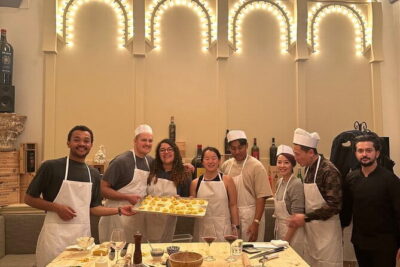
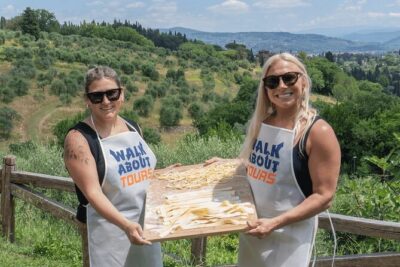
Florence Pizza or Pasta Class with Gelato Making at a Tuscan Farm
Read our review →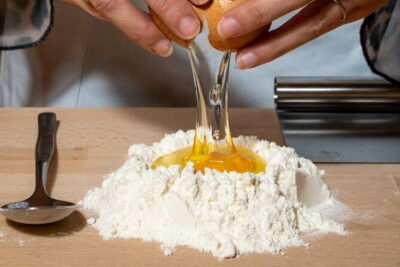
Pasta & Tiramisu Cooking Class with Unlimited Wine
Read our review →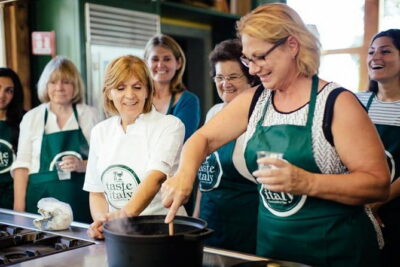
Cooking Class and Lunch at a Tuscan Farmhouse with Local Market Tour from Florence
Read our review →
Cooking Class Pasta & Tiramisu Making Unlimited Wine
Read our review →
Florence Cooking Class The Art of Making Gelato & Authentic Pizza
Read our review →Browse the lists this tour appears in