
Reviewed · WINE TASTINGS IN CHIANTI
Greve in Chianti Wine Tasting and Winery Tour
A family-run winery, a view over vineyards and olive trees, and four Chianti reds served with Tuscan cheese and salami: that is the heart of this experience. At Azienda Agricola Brogioni Maurizio, you get a personal look at a working farm rather than a polished wine museum.
I like the small group size and the chance to hear the owner’s own story. I also like that the tasting includes olive oil and regional snacks, not just a row of wine glasses. The main drawback is that the visit can feel more like a tasting with a short explanation than a full winery tour, especially if you expect a long vineyard walk or detailed cellar lesson.
Key points to know
- Family-run setting: Maurizio’s home and farm are part of the experience, giving the visit a personal, lived-in feel.
- Four Chianti reds: You taste several wines made from the Sangiovese-based Chianti tradition.
- Tuscan pairings: Cheese, Tuscan salami, snacks, olive oil, and on some visits other local products accompany the wine.
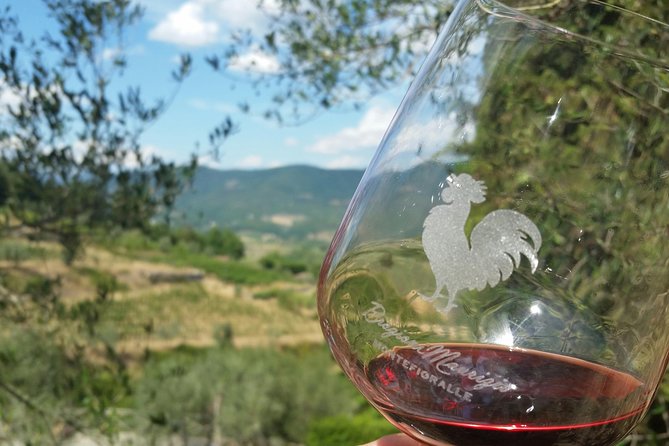
- Beautiful hill views: The outdoor seating overlooks vineyards and olive groves.
- Short, focused visit: Plan on about 90 minutes, though some tastings last closer to two hours.
- Confirm the details: Check the meeting address and appointment time before setting out, especially if you are not driving.
A working farm above Greve in Chianti
Greve is one of the best bases for exploring the Chianti Classico area. It sits between Florence and Siena, with vineyards and olive groves spreading across the hills around town. Azienda Agricola Brogioni Maurizio offers a direct way to experience that countryside without committing to a full day of winery visits.
You meet at Via S. Cresci, 37, in Greve in Chianti. The activity ends at the same place, so you do not need to arrange a separate return point. The experience is offered in English, although the farm can also explain its work in Italian.
The setting matters here. This is not a large estate built only for tourism. It is a privately owned farm where wine and olive oil are part of the family’s daily work. That gives the visit a warmer tone, but it also means the experience is informal. You should not expect the polished timing, large tasting room, or extensive production displays found at a major commercial winery.
The group is limited to 12 people, with a maximum of 15 listed for a booking. That is small enough for questions and conversation. If you enjoy meeting other people over a shared table, the format works well. If you want a private tasting for just your own party, this is not described as a private tour.
More Wine Tastings in Chianti
- Florence: Chianti Wineries Tour with Wine Tasting
★ 4.5 · 8,301 reviews - San Gimignano, Siena, Monteriggioni, Chianti Day Trip with Lunch & Wine Tasting
★ 4.5 · 4,432 reviews - Florence: Pisa, Siena, S. Gimignano, Chianti Wine & Lunch
★ 4.6 · 4,354 reviews
What happens among the vines
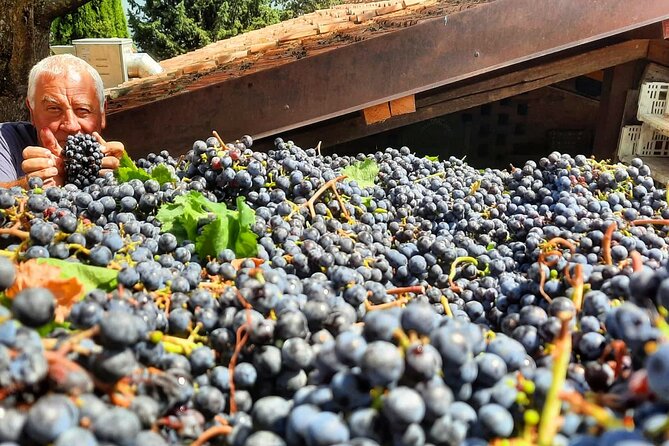
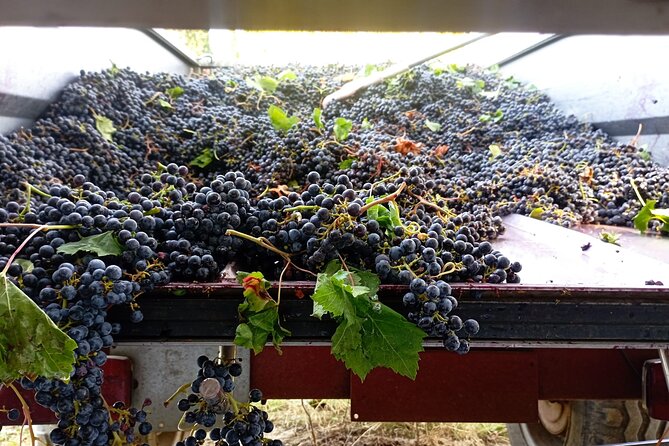
The visit begins with the vineyard and an explanation of Chianti Classico. You learn why Sangiovese is so important to the local wine tradition and how the name Chianti Classico connects the wine with its historic production zone.
The vineyard portion is one of the most appealing parts in principle, since it connects the wine in your glass with the soil and countryside around you. Still, you should keep your expectations measured. The explanation may use a book or visual material, and a long walk through the rows of vines is not guaranteed. Walking through the vineyards is generally done when specifically requested, rather than being an automatic part of every visit.
That detail is worth keeping in mind when comparing this tour with a larger estate tour. You will see the farm and hear about the vines, but the depth of the vineyard visit can depend on the weather, the group, and what you ask for. A heavy rain can also cancel the outdoor portion.
I would ask at the start if you want more time among the vines. The host has indicated that this can be arranged when requested. A little direct communication can make the experience better, especially if vineyard photography or grape growing is your main interest.
The views are a strong part of the visit. Outdoor seating has been described as looking across the estate and the surrounding vineyards and olive groves. This is the sort of place where the scenery gives the tasting its sense of place. You are not simply sampling a bottle in a city shop.
Olive oil before the wine
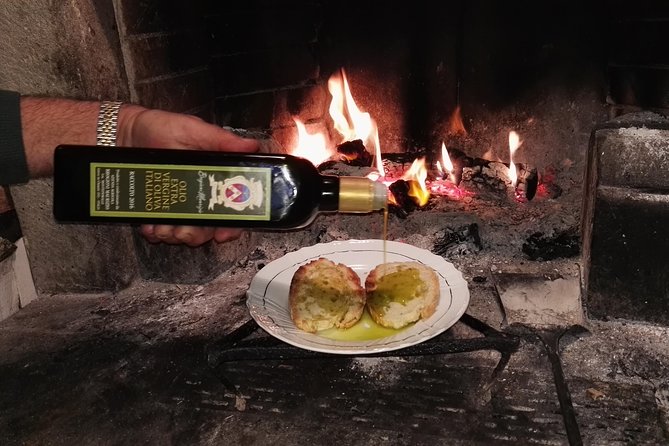
After the vineyard explanation, the visit turns to olive oil. The farm makes extra virgin olive oil, and the host explains the extraction process. You may be able to smell the oil directly from its container and taste it as part of the local-product presentation.
This adds useful context. Chianti is not only wine country. Vines and olive trees often share the same hills, and tasting both products helps you understand how the farm uses its land. It also gives you something to compare at home: wine has its familiar tasting vocabulary, while fresh olive oil can show pepper, fruit, bitterness, and a clean finish.
Do not expect to pick olives from the trees. Fresh olives are not eaten straight from the branch, and the farm’s own explanation makes clear that the proper taste comes through the oil. Grape tasting may also depend on the season. During one visit, the harvest had already finished, so grapes were not available to sample.
The olive oil may be available for purchase, along with other products. Prices have felt high to some visitors, so I would treat shopping as optional rather than part of the value calculation. Buy something because you like it, not because you feel obliged to support the farm.
Inside the cellar and tasting room
The cellar visit is a short look at the working equipment, including barrels and stainless-steel tanks. You hear about wine making and oil production before sitting down to taste the wines.
This is where the experience can divide people. If you want a technical lesson on fermentation, aging, and the full production chain, the cellar portion may seem brief. One account describes a room with roughly ten barrels and three stainless-steel tanks, while other explanations rely partly on printed material about grapes and vines.
I see the cellar as a useful introduction, not a major behind-the-scenes production tour. The value comes from the connection to the family farm and the chance to ask questions directly. You will probably enjoy it most if you want a friendly introduction to Chianti wine rather than a detailed lesson for wine professionals.
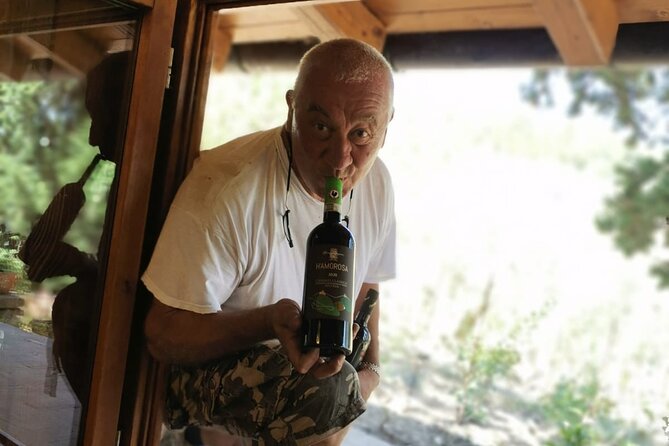
The host’s personality also shapes the visit. Maurizio is the owner and is often the central storyteller. Some hosts named in individual experiences include Camilla, Bruno, and Viola. Bruno has led a slow, detailed tasting, while Camilla has also hosted a cooking class connected with the property. The exact host and style may vary, so it is sensible to ask who will lead your visit when you confirm the appointment.
Maurizio’s personal story is one of the most distinctive elements. He has spoken about losing his father young, the sale of the original family property, and gradually building his own estate. That background gives the farm a human story beyond the standard explanation of grape varieties.
More ways to spend a day in Chianti:
- Florence: Pisa, Siena, San Gimignano, and Chianti Experience
★ 4.5 · 8,393 reviews - Chianti Wine Tour from Florence
★ 4.5 · 3,979 reviews - Siena, San Gimignano and Chianti Wines Day Tour from Florence
★ 4.5 · 2,542 reviews - Florence: S. Gimignano, Siena, Chianti & Wine Tasting Lunch
★ 4.6 · 2,427 reviews
Four reds with Tuscan food
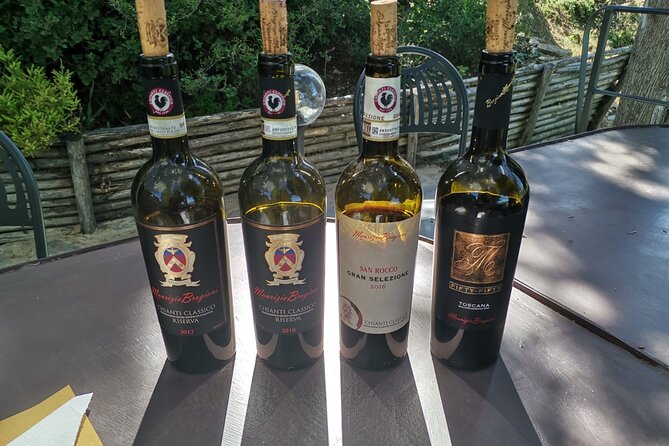
The tasting centers on four red wines. Chianti Classico is built around Sangiovese, and the explanations connect the wines with the local soil, area, and food.
The pairings include cheese and Tuscan salami, with snacks and other regional products depending on the visit. Extra virgin olive oil may also be tasted, and some sessions have included chocolate. The food is meant to support the wine, not replace lunch.
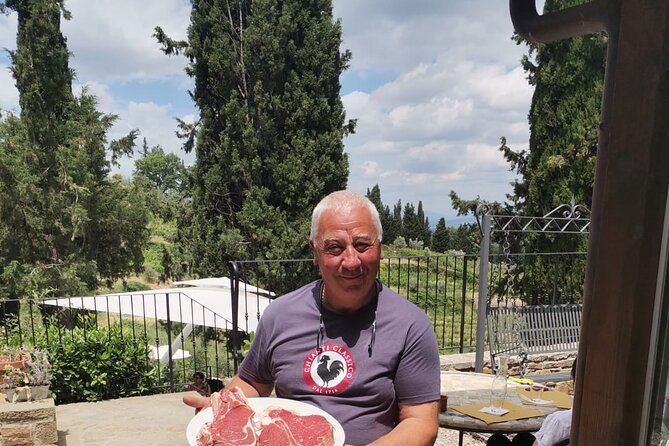
That distinction matters. You may leave satisfied after a generous session, but you should not book this as a full meal. A few people have found the amount of food light for the number of wines, particularly when five wines were served. If you arrive hungry, eat beforehand or plan a proper meal afterward in Greve.
The tasting style is informal. The host may explain each wine and pair it with food, then give you time to compare the flavors at your own pace. I like that freedom, since wine tasting should not feel like an exam. On the other hand, some people want a detailed description of color, aroma, acidity, tannin, and finish with every pour. This experience may offer less technical commentary than you expect.
You can improve the tasting by asking clear questions. Ask which wine is the most traditional expression of the estate, which bottle pairs best with salami, and how the wines differ in age or style. The host’s answers are likely to be more useful than a memorized list of tasting notes.
The table setting also makes a difference. Some sessions are shared with another couple or group. That can create a pleasant social atmosphere, but it can also be less comfortable if another group lingers or behaves poorly after finishing. The small-group format is usually an advantage, though it cannot control every table dynamic.
How much is $60.47 worth?
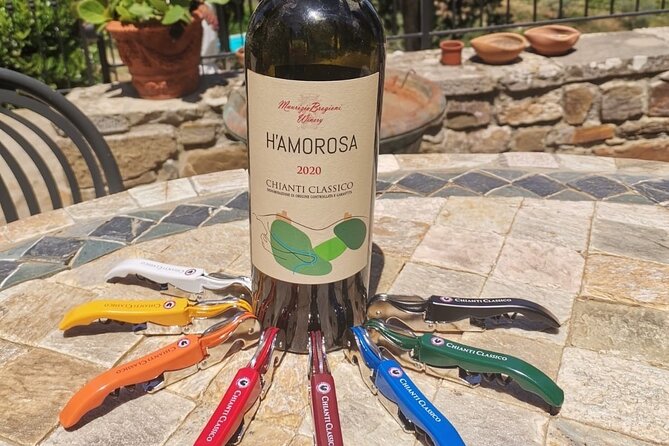
The price is $60.47 per person. For about 90 minutes, that includes the vineyard and winery visit, the wine tasting, and snacks with local products. Some visits last up to two hours, but you should plan around the advertised duration rather than count on extra time.
The price makes reasonable sense if you value personal hosting, the countryside setting, and the chance to taste products made on the farm. A larger winery may offer more production detail, but you could pay more for transport, a formal meal, or several tastings in one day. Here, you are paying for access to a small family operation and the owner’s time.
The value is weaker if your main goal is a long vineyard walk, a substantial meal, or a highly technical wine seminar. The tour’s strongest features are atmosphere, views, personal stories, and direct contact with the farm. Its weaker points are the variable level of detail and the modest amount of food.
I would compare it with your wider Chianti plans. If you already have several winery tours booked, this offers a shorter, more personal stop. If this is your only wine experience in Tuscany, you may want to choose a more extensive estate visit if production detail is important to you.
Practical details that can save you trouble
The activity is offered in English, and confirmation is sent when you book. The minimum drinking age is 18. You should provide dietary requirements when booking, since the tasting includes cheese, salami, and other food products.
The meeting information deserves careful attention. The stated location is Azienda Agricola Mauricio Brogioni Winery, Via S. Cresci, 37, 50022 Greve in Chianti, Italy. Some people have had difficulty with the address or with not receiving a specific start time, so I would confirm both before the day of the visit. Do not assume that a booking for a date alone tells you when to arrive.
If you are driving, leave enough time to find the property without rushing. If you are using public transport, one especially helpful host picked up visitors from a gas station and later returned them to a bus station, but that is an individual courtesy, not a stated transfer service. You should not rely on a pickup unless the winery confirms it directly.
Weather matters. The vineyard section can be canceled after heavy rain, even when the tasting continues indoors. Comfortable shoes are sensible, and a plan for hot weather is wise because part of the experience may be outside.
Free cancellation is available up to 24 hours before the start time. Changes or cancellations inside that period are not accepted for a refund. The minimum age and food requirements are simple, but the time and meeting point are the details I would confirm most carefully.
Who will enjoy this winery visit?
I would choose this experience if you want a friendly introduction to Chianti, especially one connected to a real family farm. It suits couples, small groups, and anyone who enjoys scenery as much as tasting notes.
You will probably like it if you:
- Want a short winery activity near Greve
- Prefer a personal host over a large commercial operation
- Enjoy wine with cheese and Tuscan salami
- Want to taste both wine and extra virgin olive oil
- Like hearing how a family built its own farm
- Are comfortable with an informal and sometimes flexible format
I would hesitate if you need a fully scheduled vineyard walk, a large lunch, or detailed technical instruction. The experience can be excellent when the host has time to talk and the weather cooperates, but it is not designed as a formal wine school.
Should you book Azienda Agricola Brogioni Maurizio?
Book it if the idea of sitting above the Chianti hills with a family winemaker appeals to you. The best parts are the setting, the personal welcome, the story of Maurizio’s farm, and the chance to taste several reds alongside local food and olive oil.
Before paying, confirm the exact appointment time, meeting address, host, and what will be served. Ask for a vineyard walk if that is important to you. With those points settled, the $60.47 price is fair for a small, personal experience, though less convincing if you expect a full meal or a long technical tour.
FAQ
Where does the wine tasting take place?
It takes place at Azienda Agricola Brogioni Maurizio, Via S. Cresci, 37, 50022 Greve in Chianti, Florence, Italy. The activity ends back at the meeting point.
How long does the experience last?
The stated duration is about 1 hour and 30 minutes. Individual tastings may last closer to two hours.
How many wines will I taste?
The experience includes four red wine selections. Some individual tastings have included five wines, so the exact number can vary.
Is food included?
Snacks, cheese, and Tuscan salami are included with the tasting. Other local products, such as olive oil or chocolate, may also be served. This is not described as a full lunch or dinner.
Can I walk through the vineyards?
The visit includes an explanation of the vineyard, but a longer walk among the vines is not automatic. You can request one, and bad weather may cancel the outdoor portion.
What is the cancellation policy?
You can cancel up to 24 hours before the local start time for a full refund. Cancellations or changes made less than 24 hours before the experience are not refunded or accepted.
More food and market tours in Chianti
- Tuscany Bike Tours Through the Chianti Hills with Wine Tasting
★ 5.0 · 1,300 reviews - From Florence: Private Chianti Hills Tour with Tasting
★ 4.3 · 809 reviews - From Florence: Chianti Wine Tour with Tasting
★ 4.5 · 729 reviews - From Florence: Chianti Hills Half-Day Tour with Wine Tasting
★ 4.5 · 703 reviews
Recently added around Chianti
- The Complete Wine Tour Brunello, Nobile, Chianti wine experience★ 4.0 · 7 reviews
- Special Chianti Afternoon Wine Tour from Florence★ 5.0 · 3 reviews
- Sunset semi private Chianti Tuscany Wine Tasting Tour from Florence★ 5.0 · 3 reviews
- Private Chianti Tuscany Wine Tasting Tour from Florence★ 5.0 · 3 reviews
- Private guided tour: Siena San Gimignano and Chianti★ 3.5 · 6 reviews
- Exclusive Siena and San Gimignano Tour & Chianti Wine Experience★ 5.0 · 19 reviews
- Private Tour: Chianti Winery, Montefioralle, and Greve in Chianti★ 4.5 · 26 reviews
- Half-day Chianti Classico Wine tour from Florence – Small Group★ 5.0 · 16 reviews
Wine Tastings in Chianti, compared.
San Gimignano, Siena, Monteriggioni, Chianti Day Trip with Lunch & Wine Tasting
Read our review →
Pisa, Siena, S. Gimignano, Chianti Wine & Lunch
Read our review →
Siena, San Gimignano and Chianti Wines Day Tour from Florence
Read our review →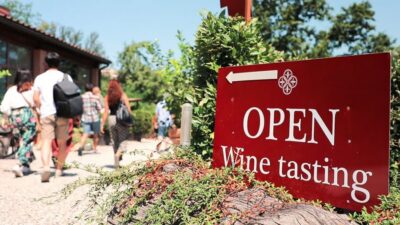
S. Gimignano, Siena, Chianti & Wine Tasting Lunch
Read our review →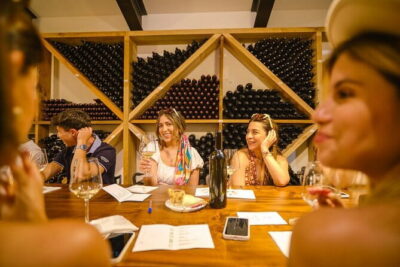
Half day Chianti Vineyard Escape from Florence with Wine Tastings
Read our review →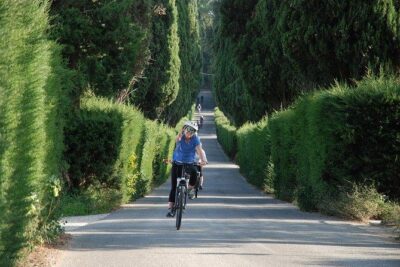
Tuscany Bike Tours Through the Chianti Hills with Wine Tasting
Read our review →Browse the lists this tour appears in